Choosing the right Water Heater Heating Element can seem daunting. Many factors influence this decision. Different types exist, each with unique benefits. An electric element can be energy-efficient. A gas element might heat faster. Consider your needs carefully.
Your home's size impacts your choice. A larger household may require a more powerful element. Also, think about your climate. Colder regions might need an element designed for rapid heating. Dimensions and compatibility are crucial too. Not all heaters accommodate the same elements.
Take time to research brands. Some are more reliable than others. User reviews can offer insights into performance. Mistakes can be costly, so make informed choices. A water heater heating element plays a vital role in your comfort. Ensure you select wisely for long-term satisfaction.
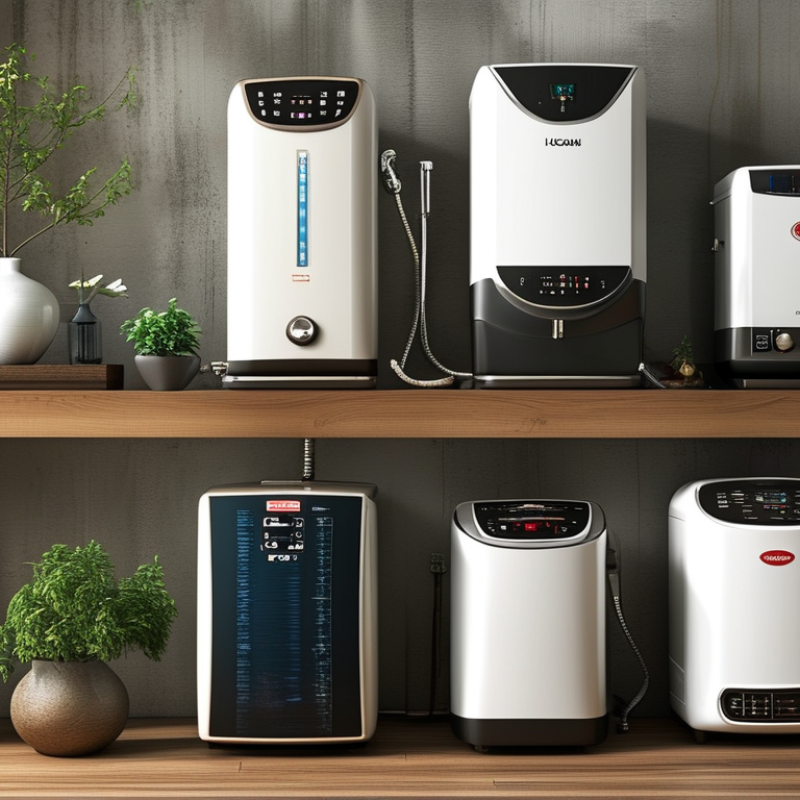
When selecting a water heater heating element, it's essential to understand its functions. Heating elements are crucial for heating water efficiently. They come in various types and sizes designed for specific water heater models. Knowing how these elements work can simplify your decision-making process.
Different heating elements operate using distinct technologies. Some are made from copper, while others use stainless steel. Copper is usually more efficient but can be more prone to corrosion. Stainless steel offers a longer lifespan but may heat water more slowly. This balance is vital for considering your home’s hot water needs.
Tip: Consider the wattage. Higher wattage leads to faster heating but may impact energy bills. Make sure to check your water heater’s specifications before upgrading.
Choosing the right element also involves understanding installation requirements. Some models are easier to replace than others. In some cases, a mismatch could affect performance or safety. Observing the condition of your current element can offer insights into what to look for during replacement.
Tip: Regular maintenance extends the life of your heating element. Look for signs of wear and rust, and replace them as needed to ensure proper functionality.
Choosing the right water heater heating elementrequires an understanding of the available types. Electric Water Heaters typically use eithercopper or stainless steel heating elements. Copper elements heat water quickly but can corrode over time. Stainless steel elements resist corrosion and have a longer life expectancy.
Additionally, there are different styles of heating elements: screw-in and flange types. Screw-in elements are easier to replace, while flange types may offer higher efficiency in larger units. Industry research shows that using a stainless steel element can improve efficiency by up to 20%. Selecting the right element is crucial for energy savings.
Tips: Always consider your water quality when choosing a heating element. Hard water can cause scaling, leading to inefficiency. Regular maintenance is also essential. Flush your tank periodically to prevent sediment buildup. This practice can prolong the lifespan of your heating element. Pay attention to signs of wear or corrosion, as these can indicate the need for replacement.
Choosing the right heating element for your water heater is crucial. Understanding your specific requirements ensures optimal performance. Start by checking the wattage specifications. Most residential water heaters operate between 3,000 and 5,500 watts. A mismatch can lead to inefficiency or insufficient heating.
Compatibility is another key aspect. Not all elements fit all models. The length, thread size, and mounting style vary widely. Consult your water heater manual for exact specifications. Ensure that the replacement element matches these details. Failure to do so may result in leaks or operational failures.
**Tips:** Always measure the old element before purchasing a new one. Notate any manufacturer specifications. If in doubt, seek professional advice. Regular maintenance is also essential. Clean the heating elements to prevent mineral buildup. This can prolong their lifespan and enhance efficiency.
When choosing a water heater heating element, efficiency ratings play a crucial role. These ratings indicate how well the element converts electricity into heat. A higher rating often means less energy is wasted, leading to lower utility bills. However, efficiency isn't the only factor to consider. The initial cost of the element also affects long-term expenses. Sometimes, a cheaper model has a lower efficiency rating, resulting in higher energy costs over time.
Energy costs can vary significantly based on the type of heating element selected. For instance, some elements heat water slowly but maintain temperature well. While these might seem cost-effective upfront, they may not be efficient in the long run. It's essential to analyze your household's water usage. A larger family may require more efficient, quicker heating options. Balancing cost and efficiency might lead to some imperfections in decision-making. Reflecting on these details can help you find the right balance.
Considering efficiency ratings also requires understanding how they affect your lifestyle. An element with a high rating might be beneficial for busy households, saving time and energy. On the flip side, investing in a high-efficiency model could be overkill for smaller families or individuals. Assessing your specific needs can help avoid unnecessary expenses. Each choice reflects a unique blend of comfort and cost management. Making informed decisions with awareness of these factors ensures a more reliable heating solution.
| Heating Element Type | Efficiency Rating (EF) | Average Energy Cost per Year ($) | Lifespan (Years) | Warranty (Years) |
|---|---|---|---|---|
| Copper | 0.90 | $350 | 10 | 1 |
| Stainless Steel | 0.95 | $300 | 12 | 2 |
| Titanium | 1.00 | $275 | 15 | 5 |
| Glass Coated | 0.85 | $400 | 8 | 3 |
When choosing a water heater heating element, installation and maintenance are key factors to consider. Proper installation ensures that the heating element works efficiently and safely. This involves understanding local electrical codes and adhering to safety standards. It's wise to have a qualified technician perform the installation if you lack experience. Mistakes during installation can lead to malfunction or safety hazards.
Selecting the right type of heating element also impacts maintenance. Common types include threaded and flanged elements. Threaded elements typically require less maintenance because they can be replaced easily. Flanged elements, while robust, may require more frequent checks for leaks. Regular maintenance should include inspection for mineral build-up, which can affect performance. Neglecting these checks can lead to costly repair or replacement.
Consider the lifespan of materials used in your heating element. Corroded components can compromise efficiency and lead to breakdowns. It’s not uncommon for homeowners to overlook routine maintenance. Being proactive can save money and ensure your water heater operates smoothly. Understanding these aspects can help you make informed choices for a reliable heating solution.
„Thanks to the LUVIR technology, the solder resist process could be switched directly from the previously used mask exposure to direct exposure. As an outstanding digital solution on the market, this technology has been able to demonstrate fast process times and superior quality on our certified conventional ink in production. This allowed us to fully digitize the solder mask process at low cost – without process or ink adjustments. An excellent benefit to our production in Rot am See.“
Ralf Göhringer (Head of Production WE Rot am See)
I would definitely recommend the Limata machine and team for a future company purchase
Michael Greenaway
Compunetics Inc.
“The Limata ldi has been amazing!! Best thing we did was buy this machine”
Richard Brady
GM
Circuitlabs
“Since 2019, we have been running the Limata X1000 LDI system (including LUVIR for solder mask imaging) in daily production as an addition to our current process with film. The machine was capable of properly exposing Taiyo PSR-4000 BN (DI) solder mask types on normal to high-copper boards using a new and unique direct imaging process. The machine operating interface is very user friendly which allowed for a quick technical training curve. The pre-registration processing reduced several seconds of production time at every print. Limata support and service staff is incomparable. They supported our team every step of the way at basically any time of the day or night, with literally, an immediate response time, customizing the software interface to best fit our Operations and needs.
We have exposed more than 8,000 prints since end of October, on various solder mask colors and some resist film panels. Limata, has proven to be very capable and innovative. They are a strong contender in the industry.
We have very much enjoyed this project, and working with the team!
Thank you Limata for the continued support and being a part of our growth.”
Bill Sezate
Vice President, GM
Summit Interconnect
As a replacement to our current contact exposure process with film, the LIMATA X2000 system including LUVIR-Technology was capable of properly exposing non-LDI solder mask types using a direct imaging process. The machine offers cutting edge software with a very intuitive operating interface which allowed for quick technician training curve. The dual drawer system combined with pre-registration processing reduced several seconds of production time at every machine cycle. Limata support and service staff is world class. They added software patches to keep production running at shortest possible response times, customized the software interface to best fit our in-house Operations system, and even wrote a step-by-step machine processing manual. As a result of the project, we have exposed more than 16,000 times on various product types and solder mask brands/colors. Limata, in a very short timeframe as a company, has definitely shown they are truly innovative and will be challenging the industry of direct imaging for the top spot.
Kevin Beattie
Process Engineer
TTM Technologies
Forest Grove Division
