Choosing the right Skin-Friendly Tpu for global sourcing requires more than comparing prices and color samples. Material performance can change across factories, climates, and production batches. A TPU film that feels soft in a showroom may become sticky after heat exposure or develop an odor during storage. These details matter when the material touches skin, clothing, medical accessories, or wearable products.
Experienced sourcing teams usually examine the complete material profile. They review hardness, elasticity, abrasion resistance, hydrolysis performance, surface friction, and odor control. They also request traceable technical data, safety documentation, and representative production samples. Small test pieces can reveal useful facts. Bend the film repeatedly. Press it against fabric. Leave it in a warm, humid environment. Then inspect its surface, flexibility, and smell. Laboratory testing remains essential, because visual inspection cannot confirm every skin-contact requirement.
Supplier reliability deserves equal attention. A capable manufacturer should explain resin grades, additives, colorants, quality controls, and batch consistency clearly. Independent testing can strengthen confidence, although test results may not represent every future shipment. That is a limitation worth acknowledging. Even experienced buyers can overlook packaging damage, transport heat, or inconsistent processing conditions. A practical sourcing plan therefore combines supplier audits, sample approval, written specifications, and periodic re-testing. The goal is not merely to find a soft TPU. It is to select a stable, documented, and responsibly produced material that performs safely across markets. Small mistakes become expensive. Careful verification reduces them.
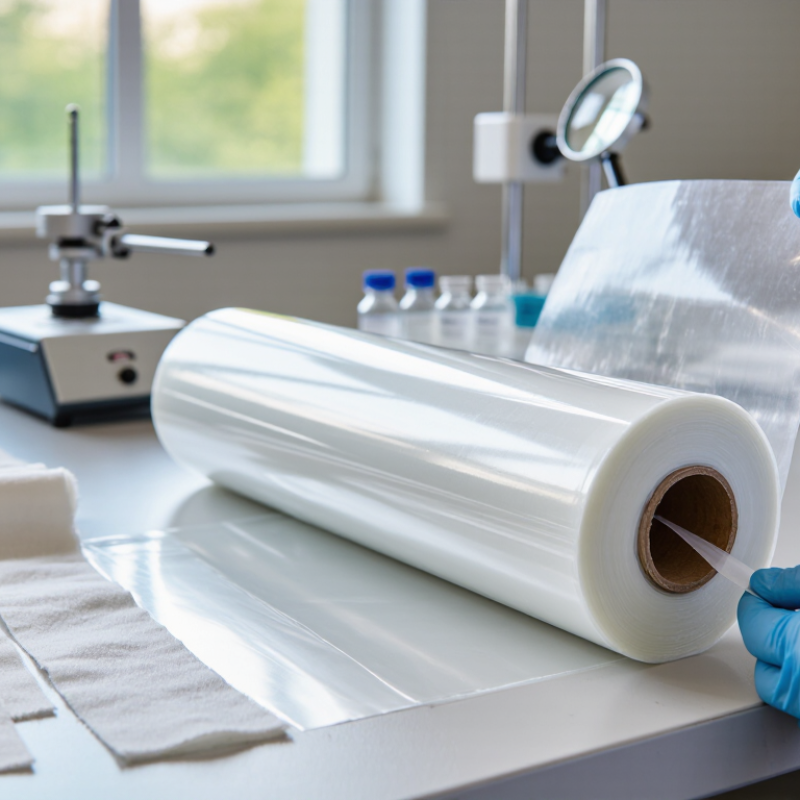
Skin-friendly TPU is not simply soft plastic. It must support comfortable, repeated contact with human skin. Global sourcing teams should review hardness, surface texture, odor, and chemical composition together. A soft grade may still cause irritation if additives migrate during use. Request current safety data, composition declarations, and test reports from qualified laboratories. Evidence matters more than a supplier’s general claim of “non-toxic” material.
Requirements vary by product category and destination market. Confirm whether the TPU touches skin briefly, continuously, or under pressure. Ask for tests covering skin irritation, sensitization, restricted substances, migration, sweat, and aging. Documents should identify the exact grade and production batch. Traceability is essential. It also helps buyers compare equivalent requirements across countries without assuming one certificate solves every market need. That assumption can be expensive.
Supplier evaluation should include samples, factory records, and controlled production trials. Check the material after heat exposure, bending, abrasion, and contact with artificial sweat. Inspect color stability and odor after packaging. In my experience, a sample can feel excellent while production material behaves differently. That gap deserves attention. Small inconsistencies may come from pigments, processing temperatures, or recycled content. Ask difficult questions, but remain open to revising the specification when test results reveal a better balance between comfort, durability, and global compliance.
| Evaluation Dimension | Recommended Target or Requirement | Why It Matters for Skin Contact | Typical Verification Method | Global Sourcing Checkpoint |
|---|---|---|---|---|
| TPU Chemistry | Polyether or polyester TPU selected according to humidity, hydrolysis, oil, and abrasion exposure. | Polyether grades generally provide better hydrolysis resistance, while polyester grades often offer strong mechanical and abrasion performance. | Supplier technical data sheet, accelerated aging, hydrolysis, chemical resistance, and abrasion testing. | Confirm the exact polymer family and grade rather than accepting the general term “skin-friendly TPU.” |
| Hardness | Common starting range: approximately Shore A 70–95 for flexible wearable and soft-touch parts. | Hardness affects pressure, flexibility, comfort, deformation, and the risk of edge irritation. | Shore hardness testing according to ASTM D2240 or ISO 48-4, using controlled specimen thickness and conditioning. | Specify hardness tolerance, test method, specimen thickness, and acceptable lot-to-lot variation. |
| Surface and Skin Comfort | Smooth, non-abrasive surface with rounded edges and controlled surface texture. | Surface roughness, seams, flash, and sharp edges can increase friction, pressure points, and irritation. | Visual inspection, tactile assessment, dimensional inspection, and friction or abrasion evaluation where applicable. | Approve production-intent samples, including colorants, coatings, adhesives, printing, and final surface finish. |
| Biocompatibility | Risk-based evaluation for the intended contact type and duration; relevant ISO 10993 testing may include cytotoxicity, irritation, and sensitization. | A TPU described as non-toxic or skin-friendly is not automatically proven safe for every duration, user group, or application. | Biological evaluation plan, accredited laboratory reports, and finished-product testing where formulation or processing may affect results. | Request reports for the exact grade, color, additives, processing method, and final article—not only a generic resin declaration. |
| Chemical Compliance | Screen for restricted substances applicable to the destination market, including REACH SVHC requirements and RoHS where relevant. | Residual monomers, additives, pigments, plasticizers, heavy metals, and processing contaminants may affect safety and market access. | Supplier declaration supported by current chemical analysis, restricted-substance screening, and traceable test reports. | Define the destination countries and product category before issuing the specification and purchase order. |
| Moisture and Hygiene | Low moisture retention at the finished surface, with a design that can be cleaned and dried effectively. | Sweat, occlusion, and trapped moisture can contribute to discomfort and skin problems even when the polymer itself is well tolerated. | Water absorption testing, repeated cleaning or wipe testing, dimensional stability, and surface inspection. | Validate the complete product design, including vents, seams, closures, liners, and cleaning instructions. |
| Mechanical Durability | Requirements should be defined for tensile strength, elongation, tear strength, compression set, and abrasion according to the application. | Cracking, tackiness, permanent deformation, or surface wear can expose rough areas and shorten safe service life. | ASTM or ISO mechanical testing, cyclic flexing, compression-set testing, abrasion testing, and aging simulation. | Set measurable acceptance criteria and compare samples after heat, humidity, sweat, UV, and cleaning exposure when applicable. |
| Colorants and Additives | Use documented pigments, stabilizers, lubricants, and other additives suitable for the intended contact and market. | The finished color or additive package can change chemical exposure, migration behavior, odor, and biocompatibility results. | Full formulation disclosure under confidentiality controls, migration or extractables assessment, and finished-part screening. | Do not substitute colorants, masterbatch, regrind, or additives without written approval and requalification. |
| Manufacturing Controls | Controlled drying, molding temperature, residence time, cleanliness, lot traceability, and documented change management. | Processing conditions can influence degradation, odor, surface defects, residuals, and final mechanical properties. | Process audit, batch records, incoming inspection, certificate of analysis, and retained production samples. | Include lot number, manufacturing date, shelf life, packaging requirements, and notification periods for formulation changes. |
| Documentation and Import Readiness | Technical data sheet, safety data sheet, certificate of analysis, compliance declarations, test reports, and product specification. | Complete documentation supports risk assessment, customer approval, customs review, and post-market traceability. | Document review against the final application, destination-market rules, and purchasing specifications. | Ensure documents identify the exact grade, revision date, test standard, laboratory, sample description, and validity period. |
| Sampling and Qualification | Use a staged process: document screening, material samples, production-intent prototypes, laboratory testing, and pilot-lot approval. | Performance and skin-contact behavior can differ between raw pellets, molded plaques, and finished multi-material products. | Pre-production approval, independent verification testing, accelerated aging, and periodic requalification. | Approve the complete supply chain and maintain a change-control process for material, tooling, color, and manufacturing-site changes. |
“Skin friendly” is not a complete technical claim. For TPU used in wearables, grips, or medical-adjacent products, suppliers should provide evidence for the intended contact time. ISO 10993 testing can assess cytotoxicity, irritation, and skin sensitization. The correct test plan depends on direct contact, duration, and application.
Ask for chemical characterization and extractables data, especially for colored or softened TPU. These tests can reveal residual catalysts, processing aids, pigments, or unexpected migrating substances. A safety data sheet helps, but it does not replace biocompatibility testing. USP Class VI may support material screening, yet it does not automatically prove skin safety.
Real-world checks matter. Press a molded sample against damp skin after heat exposure and repeated flexing. Watch for odor, tackiness, color transfer, or surface cracking. Sweat and friction can change performance. I have seen clean-looking samples fail after extended contact, so a single-day inspection feels inadequate. This is where sourcing teams must stay cautious.
Request lot traceability, formulation change controls, and test reports from an ISO/IEC 17025-accredited laboratory. Confirm that the tested grade, color, hardness, and additives match the production sample. Global requirements differ, and one certificate rarely covers every market. Even strong documentation has limits. Supplier transparency, retesting, and careful use-condition reviews remain essential.
Skin-friendly TPU selection starts with formulation, not appearance. TPU is commonly built from polyester, polyether, or polycaprolactone segments. Polyether grades usually resist hydrolysis better in humid environments. Polyester grades can offer stronger abrasion resistance and tensile performance. However, neither structure automatically proves skin compatibility.
Market reports show steady demand. Grand View Research estimated the global TPU market at approximately USD 2.9 billion in 2023. MarketsandMarkets projected growth from about USD 2.8 billion in 2023 to USD 3.6 billion by 2028. These estimates differ, but both indicate expanding material choices and sourcing pressure. Buyers should request full formulation disclosures, residual chemical data, and batch-level certificates. A soft 80A grade may feel comfortable, yet excessive plasticizer migration can change that experience. Softer is not always safer.
For wearable contact, compare hardness, compression set, tear strength, hydrolysis resistance, and surface friction. Test finished parts, not only pellets. ISO 10993-5 and ISO 10993-10 can support cytotoxicity and irritation evaluations, but test design must match the contact duration.
Watch for odor after molding. Examine the surface after sweat, sunscreen, detergent, and repeated flexing. Supplier claims need independent verification.
I would also challenge my own first choice: a clear, silky sample can hide poor aging performance. Global sourcing needs traceability, stable processing windows, and realistic climate testing. Ask for three production batches before approval.
Choosing skin-friendly TPU for global sourcing requires more than checking softness, color, or price. Grand View Research estimated the global TPU market at about USD 3.2 billion in 2023, with continued growth expected through 2030. Expanding demand increases supplier choices, but it also increases quality variation. Ask manufacturers for full formulation disclosure, restricted-substance screening, and batch-level certificates of analysis. A smooth surface can still hide irritating additives.
Evaluate the factory, not only its certificate. ISO 9001 supports quality control, while ISO 13485 is more relevant for medical applications. ISO 10993 testing can assess cytotoxicity, irritation, and sensitization, but it is a testing framework, not a universal “skin-safe” approval. Require recent test reports from accredited laboratories. Review test conditions, sample age, and intended contact time. One missed detail matters.
Supply reliability needs physical evidence. The World Bank’s 2023 Logistics Performance Index shows major differences in customs efficiency, infrastructure, and shipment reliability between sourcing markets. Request production capacity, safety-stock practices, backup resin sources, and documented change-notification procedures. Traceability should connect each finished roll to a raw-material lot. Test pilot batches in your own application. Do not trust a polished audit alone. I have seen strong paperwork fail when a supplier changed additives without notice. Country diversification helps, but it can also complicate consistency, approvals, and technical communication. Retrain the evaluation team regularly.
Recommended evaluation weighting for comparing TPU manufacturers, certifications, and supply-chain reliability.
The framework prioritizes skin-contact safety and regulatory evidence, followed by material consistency, traceability, and delivery resilience. For skin-contact TPU, buyers should verify applicable ISO 10993 testing, restricted-substance compliance such as REACH and RoHS, lot-level documentation, and stable global logistics before approving a supplier.
A reliable sourcing process starts with a precise material brief. Define skin contact time, temperature, hardness, color, odor limits, and processing conditions. “Skin friendly” is not a complete specification.
For prolonged contact, request biological evaluation based on ISO 10993-1, including irritation and sensitization testing where appropriate. Also require declarations for restricted substances in each target market. The material should have batch-level traceability, not only a general technical data sheet.
Supplier qualification needs evidence. The ISO Survey 2023 recorded 1,265,216 ISO 9001 certificates worldwide, but certification alone does not prove TPU safety or consistency.
Audit raw-material controls, drying procedures, clean storage, and change-notification systems. Request samples from at least three production lots. Test hardness, tensile strength, color, odor, extractables, and surface residue through an independent laboratory.
A practical warning: we often trust certificates too quickly. One unreported additive change can alter odor, softness, or skin response.
Global TPU demand is expanding. Grand View Research estimated the market at approximately USD 3.6 billion in 2023, with continued growth expected through 2030.
That growth increases supplier choices, but also creates quality variation. Approve a golden sample, define acceptance limits, and inspect every shipment using a risk-based plan. Keep retained samples and digital batch records.
The process may feel slow. It is cheaper than discovering inconsistent TPU after assembly begins.
„Thanks to the LUVIR technology, the solder resist process could be switched directly from the previously used mask exposure to direct exposure. As an outstanding digital solution on the market, this technology has been able to demonstrate fast process times and superior quality on our certified conventional ink in production. This allowed us to fully digitize the solder mask process at low cost – without process or ink adjustments. An excellent benefit to our production in Rot am See.“
Ralf Göhringer (Head of Production WE Rot am See)
I would definitely recommend the Limata machine and team for a future company purchase
Michael Greenaway
Compunetics Inc.
“The Limata ldi has been amazing!! Best thing we did was buy this machine”
Richard Brady
GM
Circuitlabs
“Since 2019, we have been running the Limata X1000 LDI system (including LUVIR for solder mask imaging) in daily production as an addition to our current process with film. The machine was capable of properly exposing Taiyo PSR-4000 BN (DI) solder mask types on normal to high-copper boards using a new and unique direct imaging process. The machine operating interface is very user friendly which allowed for a quick technical training curve. The pre-registration processing reduced several seconds of production time at every print. Limata support and service staff is incomparable. They supported our team every step of the way at basically any time of the day or night, with literally, an immediate response time, customizing the software interface to best fit our Operations and needs.
We have exposed more than 8,000 prints since end of October, on various solder mask colors and some resist film panels. Limata, has proven to be very capable and innovative. They are a strong contender in the industry.
We have very much enjoyed this project, and working with the team!
Thank you Limata for the continued support and being a part of our growth.”
Bill Sezate
Vice President, GM
Summit Interconnect
As a replacement to our current contact exposure process with film, the LIMATA X2000 system including LUVIR-Technology was capable of properly exposing non-LDI solder mask types using a direct imaging process. The machine offers cutting edge software with a very intuitive operating interface which allowed for quick technician training curve. The dual drawer system combined with pre-registration processing reduced several seconds of production time at every machine cycle. Limata support and service staff is world class. They added software patches to keep production running at shortest possible response times, customized the software interface to best fit our in-house Operations system, and even wrote a step-by-step machine processing manual. As a result of the project, we have exposed more than 16,000 times on various product types and solder mask brands/colors. Limata, in a very short timeframe as a company, has definitely shown they are truly innovative and will be challenging the industry of direct imaging for the top spot.
Kevin Beattie
Process Engineer
TTM Technologies
Forest Grove Division
