When it comes to selecting the best Bending Presses, the right choice can significantly impact your operations. Bending presses are vital for shaping materials accurately. Knowing what to look for can save time and resources.
Assessing your specific needs is crucial. Consider the materials you work with and their thickness. Think about the volume of production you expect. Each bending press has unique features, so understanding these can enhance your efficiency.
Expertise in the field helps in making informed decisions. Seek recommendations from trusted professionals. Their experiences can provide insight into the most reliable brands. Balancing cost and quality is necessary. Investing in high-quality bending presses may yield better long-term results. Each choice carries its own strengths and weaknesses, encouraging a thoughtful evaluation.
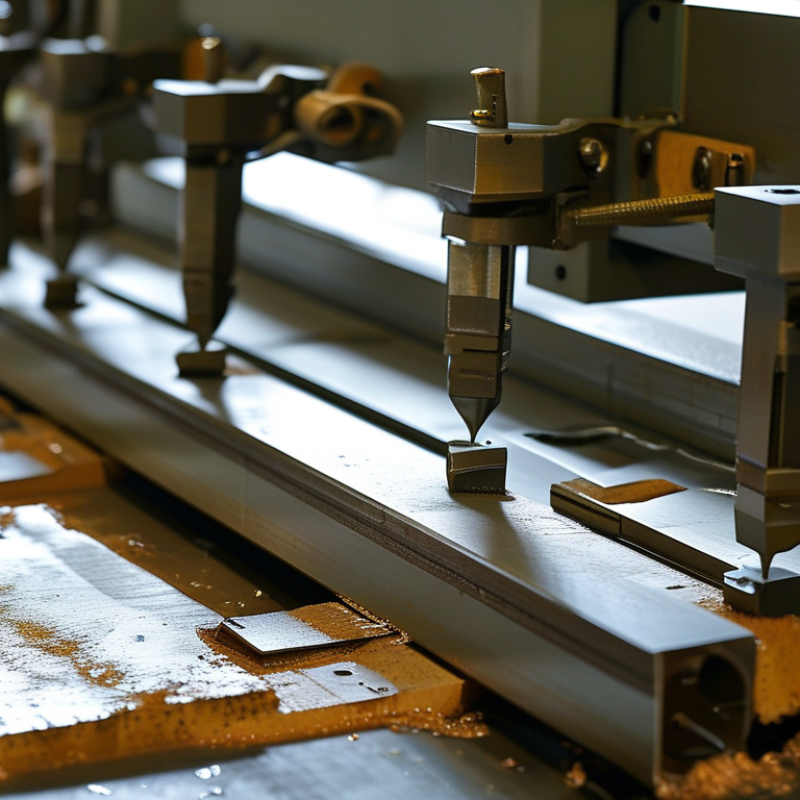
When selecting a bending press, understanding the types available is crucial. Bending presses vary in design and application. Among the most common types are mechanical, hydraulic, and electric presses. Mechanical presses are cost-effective and often straightforward, ideal for high-speed production. In contrast, hydraulic presses allow for greater control and flexibility. This makes them suitable for thicker materials and more complex shapes.
Electric presses have gained popularity due to their energy efficiency and precision. According to industry reports, this sector could grow by 3% annually, reflecting increased demand for advanced manufacturing techniques. Each press type has its strengths and weaknesses. Mechanical presses, while fast, may struggle with intricate designs. Hydraulic presses, though versatile, require more maintenance. Electric presses offer precision but can be more expensive to implement.
Understanding these characteristics can prevent costly errors. It's essential to consider your specific production needs. Some companies might overlook the impact of press type on operational efficiency. Engaging with industry experts can provide deeper insights. They can help in evaluating the best fit based on production volume, material type, and complexity of the designs. Choosing the right press can significantly influence productivity and overall costs.
When selecting a bending press, understanding your specific requirements is crucial. Consider the materials you'll work with. Different metals—like steel, aluminum, or brass—require varying forces and bending techniques. Knowing the thickness of these materials can also influence your choice. Thicker metals require more powerful machines, while thinner sheets may need precision over force.
Evaluate the applications you intend to use the bending press for. If you're creating complex shapes, a press with advanced control features might be necessary. Machines with programmable controls offer flexibility but can be more challenging to master. You may need to assess your team's skills and the learning curve involved.
Not every bending press fits all applications. Reflect on average production runs versus one-offs. Higher production volumes might justify investing in a robust system that can handle rigorous demands. Conversely, a versatile, adjustable press might serve well for lower output needs. Take time to consider these aspects carefully, as your choice will impact both efficiency and quality in your projects.
When selecting a bending press, it's essential to focus on critical features that match your specific needs. The machine's capacity is one crucial factor. Consider the thickness and type of materials you will be working with. A press that can handle thicker metals provides flexibility for future projects. However, overspecifying can lead to unnecessary costs.
Another important feature is the press brake's precision and control. Look for models with adjustable stroke settings. This feature allows for better accuracy during bending operations. It’s also worth noting that the ease of operation can greatly affect productivity. User-friendly controls can reduce the learning curve, especially for new operators.
Don't overlook the safety features either. Emergency stop buttons and safety guards can prevent accidents. While these elements may increase initial costs, they protect not only the operator but also the machinery in the long run. Balancing these considerations is vital, as it ensures you select a bending press that meets your current demands while accommodating future growth.
When considering the purchase of bending presses, understanding your budget is crucial. The initial investment can be significant. Costs can vary widely based on type, capacity, and features. Calculate not just the purchase price, but also ongoing operational costs. Maintenance and repairs, though often overlooked, can add up over time.
Evaluate financing options early in the process. Some businesses may choose to lease equipment to reduce upfront costs. This allows for flexibility, especially if production needs change. Being aware of potential loan terms helps in making informed decisions. Don't forget to account for hidden costs, such as delivery and installation.
Incorporating a thorough analysis of your finances is essential. Set specific priorities based on your needs. Is it essential to have high precision, or is a lower-end model sufficient for your tasks? Assessing your production scale can also influence your choice. Don’t rush; making an impulsive decision can lead to regrets later. Investing time in financial evaluations can lead to better long-term satisfaction.
When selecting bending presses, identifying reliable manufacturers is essential. Start by researching suppliers with established track records. Look for companies with certifications and industry recognition. These aspects signal expertise and commitment to quality. Reliable manufacturers often provide informative resources, such as detailed brochures and operating manuals.
Another factor is customer feedback. Reviews from other users can highlight strengths and weaknesses. Though every manufacturer claims excellence, real experiences reveal practical insights. Pay attention to any recurring concerns in reviews. They might point to potential issues that are not obvious at first glance.
Consider visiting trade shows or industrial exhibitions. These venues allow direct interaction with manufacturers and their products. Ask specific questions about their bending presses. Observe the construction quality and technological features. While some manufacturers may seem accommodating, their willingness to assist is crucial. Prioritize those who value transparency and customer service. Your selection should blend technical needs with practical support.
„Thanks to the LUVIR technology, the solder resist process could be switched directly from the previously used mask exposure to direct exposure. As an outstanding digital solution on the market, this technology has been able to demonstrate fast process times and superior quality on our certified conventional ink in production. This allowed us to fully digitize the solder mask process at low cost – without process or ink adjustments. An excellent benefit to our production in Rot am See.“
Ralf Göhringer (Head of Production WE Rot am See)
I would definitely recommend the Limata machine and team for a future company purchase
Michael Greenaway
Compunetics Inc.
“The Limata ldi has been amazing!! Best thing we did was buy this machine”
Richard Brady
GM
Circuitlabs
“Since 2019, we have been running the Limata X1000 LDI system (including LUVIR for solder mask imaging) in daily production as an addition to our current process with film. The machine was capable of properly exposing Taiyo PSR-4000 BN (DI) solder mask types on normal to high-copper boards using a new and unique direct imaging process. The machine operating interface is very user friendly which allowed for a quick technical training curve. The pre-registration processing reduced several seconds of production time at every print. Limata support and service staff is incomparable. They supported our team every step of the way at basically any time of the day or night, with literally, an immediate response time, customizing the software interface to best fit our Operations and needs.
We have exposed more than 8,000 prints since end of October, on various solder mask colors and some resist film panels. Limata, has proven to be very capable and innovative. They are a strong contender in the industry.
We have very much enjoyed this project, and working with the team!
Thank you Limata for the continued support and being a part of our growth.”
Bill Sezate
Vice President, GM
Summit Interconnect
As a replacement to our current contact exposure process with film, the LIMATA X2000 system including LUVIR-Technology was capable of properly exposing non-LDI solder mask types using a direct imaging process. The machine offers cutting edge software with a very intuitive operating interface which allowed for quick technician training curve. The dual drawer system combined with pre-registration processing reduced several seconds of production time at every machine cycle. Limata support and service staff is world class. They added software patches to keep production running at shortest possible response times, customized the software interface to best fit our in-house Operations system, and even wrote a step-by-step machine processing manual. As a result of the project, we have exposed more than 16,000 times on various product types and solder mask brands/colors. Limata, in a very short timeframe as a company, has definitely shown they are truly innovative and will be challenging the industry of direct imaging for the top spot.
Kevin Beattie
Process Engineer
TTM Technologies
Forest Grove Division
