Choosing the right Carbide Dies can significantly impact your manufacturing efficiency. Carbide dies are essential tools that determine the quality and precision of various components. According to a recent market analysis by TechNavio, the carbide tooling market is projected to grow at a CAGR of 6.5% from 2023 to 2027. This growth highlights the importance of selecting the best carbide dies that meet industry standards.
Expert opinions further emphasize the need for informed choices. Dr. Jane Smith, a renowned expert in materials engineering, states, “The right carbide die can reduce production costs and enhance product quality.” Choosing carbide dies involves considering material grades, manufacturing processes, and specific applications. Learning from past mistakes in die selection can lead to better long-term results. Each company has unique requirements; thus, customization can play a key role.
While many manufacturers offer carbide dies, not all deliver consistent quality. Understanding how to assess and select the right options can be challenging. Recognizing the potential pitfalls in die selection can save time and resources. The journey to finding the ideal carbide dies is crucial for achieving optimal performance and reliability in production.
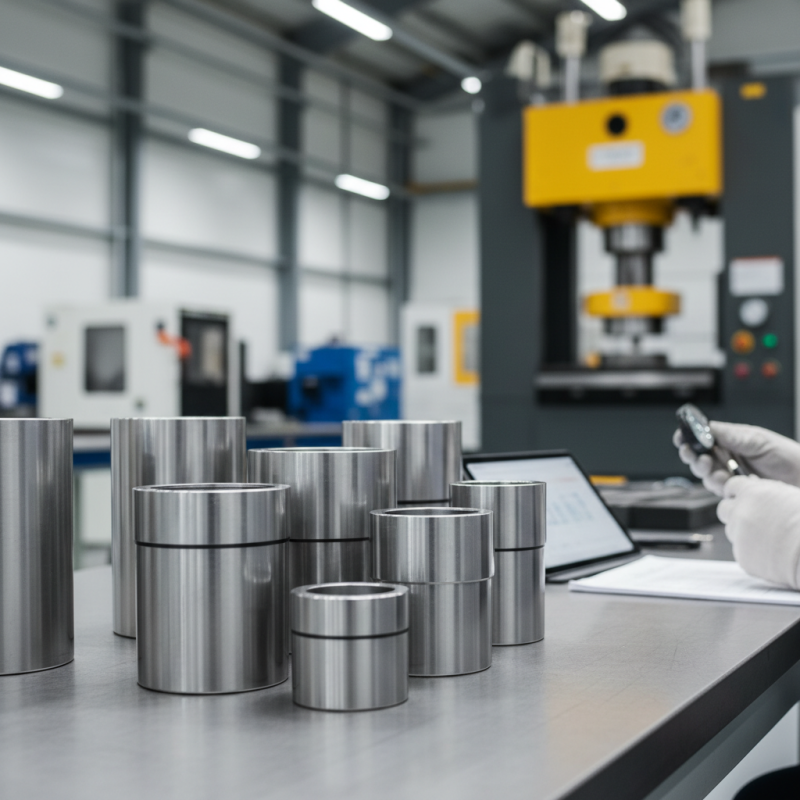
Carbide dies are essential tools in various manufacturing processes. They are known for their durability and precision. Understanding the types of carbide dies available can significantly impact your choice. Common types include punches, dies, and inserts. Each type serves specific functions in industries such as stamping, molding, and machining.
For example, punch dies are often used in sheet metal operations, offering quick and accurate results. Molding dies, on the other hand, are crucial for creating intricate shapes in plastics. It's important to consider the materials you will process. Not all dies are suitable for every material. Testing different types may reveal the best fit for your production.
Many factors influence the effectiveness of carbide dies. The hardness of the material used, the cooling method, and even the cutting speed can all play a role. In some cases, users might find that a particular die does not perform as expected. This could lead to unnecessary downtime or wasted materials. It's essential to revisit these parameters and make adjustments as needed. The key is continuous improvement and learning from past experiences.
When selecting carbide dies, it's essential to evaluate multiple factors. The die’s purpose significantly influences material choice. Different applications require specific hardness levels and toughness. Reports indicate that dies made from cobalt-bearing carbide show enhanced performance for high-stress tasks due to their wear resistance. This feature makes them preferable for cutting and shaping tough materials.
Size and shape also play critical roles. Carbide dies come in numerous configurations. Each shape serves distinct operational roles, which can affect efficiency in manufacturing. It's crucial to analyze the intricacies of your project. Slight variations in dimensions can lead to costly defects or worse, downtime. The American Society for Testing and Materials (ASTM) suggests ensuring precise tolerances for optimal results.
Additionally, consider the cost-to-performance ratio. Premium carbide dies might yield longer lifespans but may not fit every budget. Some reports suggest that lower-cost options can deliver satisfactory performance, especially for less demanding applications. However, investing in quality often leads to lower replacement rates. Balancing these aspects is challenging but necessary for long-term success.
When selecting carbide dies, understanding material specifications is crucial. Carbide is famed for its hardness and wear resistance. However, not all carbide materials are equal. Factors like cobalt content can affect performance. Higher cobalt levels often improve toughness but may reduce hardness. This balance is key to your decision-making.
Quality standards also play a crucial role. Seek dies that comply with industry benchmarks. Look for certifications that ensure consistency in production. Manufacturing processes can lead to variations in quality. For instance, sintering temperature impacts the material’s microstructure. Analyze the provider’s quality control measures as well. This will help you avoid unforeseen failures.
Engaging with experts in the field can bring additional insights. However, expertise varies. Not every recommendation is grounded in research. Consider multiple opinions before making a purchase. Ultimately, understanding specifications and adhering to quality standards will guide you in choosing the right carbide dies.
When selecting carbide dies, balancing cost and performance is crucial. High-quality carbide dies can be initially expensive, but they often deliver better durability and efficiency. A lower-priced option might seem appealing, yet it could lead to frequent replacements and more downtime. Analyzing the long-term savings is essential.
Consider how often you'll use the dies. For high-volume production, investing in premium dies pays off over time. They resist wear and maintain precision longer. Conversely, if your usage is infrequent, a more cost-effective model may suffice. Assess the specific materials you're working with as well. Different applications require different grades of carbide.
It’s also valuable to research the manufacturer’s reputation. Online reviews and industry feedback can provide insights. Do not overlook the risk of purchasing from unknown sources. A bargain price might come at the cost of quality. That raises the question: is saving a few dollars worth risking production quality? Aim for a balance that ensures performance without exceeding your budget. Always reflect on your choices and how they align with your operational needs.
In recent years, the carbide die manufacturing industry has seen significant advancements. These improvements focus on durability, precision, and efficiency. Manufacturers invest in innovative technologies to meet evolving market demands. For instance, the integration of computer-aided design (CAD) systems streamlines the production process. Such technologies enhance accuracy, resulting in better product quality.
Furthermore, trends show a shift towards sustainable practices. Companies are increasingly adopting eco-friendly materials and processes. This change reflects a growing awareness of environmental impact. However, the shift isn't without challenges. Many manufacturers struggle with the initial costs of implementing green technologies. Balancing sustainability with profitability remains a critical issue.
Another area of interest is the customization of carbide dies. Clients seek tailored solutions for specific applications. This trend drives manufacturers to adapt quickly. However, not all companies have the flexibility or resources to meet these demands. As the industry evolves, those unable to keep pace may find themselves at a disadvantage.
„Thanks to the LUVIR technology, the solder resist process could be switched directly from the previously used mask exposure to direct exposure. As an outstanding digital solution on the market, this technology has been able to demonstrate fast process times and superior quality on our certified conventional ink in production. This allowed us to fully digitize the solder mask process at low cost – without process or ink adjustments. An excellent benefit to our production in Rot am See.“
Ralf Göhringer (Head of Production WE Rot am See)
I would definitely recommend the Limata machine and team for a future company purchase
Michael Greenaway
Compunetics Inc.
“The Limata ldi has been amazing!! Best thing we did was buy this machine”
Richard Brady
GM
Circuitlabs
“Since 2019, we have been running the Limata X1000 LDI system (including LUVIR for solder mask imaging) in daily production as an addition to our current process with film. The machine was capable of properly exposing Taiyo PSR-4000 BN (DI) solder mask types on normal to high-copper boards using a new and unique direct imaging process. The machine operating interface is very user friendly which allowed for a quick technical training curve. The pre-registration processing reduced several seconds of production time at every print. Limata support and service staff is incomparable. They supported our team every step of the way at basically any time of the day or night, with literally, an immediate response time, customizing the software interface to best fit our Operations and needs.
We have exposed more than 8,000 prints since end of October, on various solder mask colors and some resist film panels. Limata, has proven to be very capable and innovative. They are a strong contender in the industry.
We have very much enjoyed this project, and working with the team!
Thank you Limata for the continued support and being a part of our growth.”
Bill Sezate
Vice President, GM
Summit Interconnect
As a replacement to our current contact exposure process with film, the LIMATA X2000 system including LUVIR-Technology was capable of properly exposing non-LDI solder mask types using a direct imaging process. The machine offers cutting edge software with a very intuitive operating interface which allowed for quick technician training curve. The dual drawer system combined with pre-registration processing reduced several seconds of production time at every machine cycle. Limata support and service staff is world class. They added software patches to keep production running at shortest possible response times, customized the software interface to best fit our in-house Operations system, and even wrote a step-by-step machine processing manual. As a result of the project, we have exposed more than 16,000 times on various product types and solder mask brands/colors. Limata, in a very short timeframe as a company, has definitely shown they are truly innovative and will be challenging the industry of direct imaging for the top spot.
Kevin Beattie
Process Engineer
TTM Technologies
Forest Grove Division
