Choosing the right Cutting Laser Machine is crucial for modern manufacturing. According to a recent industry report by IBISWorld, the laser cutting machine market is expected to grow by 4.3% annually through 2025. This figure highlights the increasing reliance on laser technology across various sectors. Experts emphasize the need for precision and efficiency. Dr. Emily Johnson, a leading authority in laser technology, states, "Investing in the right cutting laser machine can significantly enhance productivity and output quality."
When selecting a Cutting Laser Machine, consider different attributes. Power levels, cutting speed, and material compatibility should guide your decision. Many businesses struggle to determine the right features that best suit their production needs. This lack of clarity can lead to inefficient processes or wasted resources.
Moreover, understanding maintenance requirements is often overlooked. Regular upkeep impacts machine longevity and performance. A common mistake is underestimating these ongoing costs. Balancing upfront investment with long-term gains becomes essential for businesses. By carefully evaluating these factors, you can significantly improve operations and ensure the best return on investment.
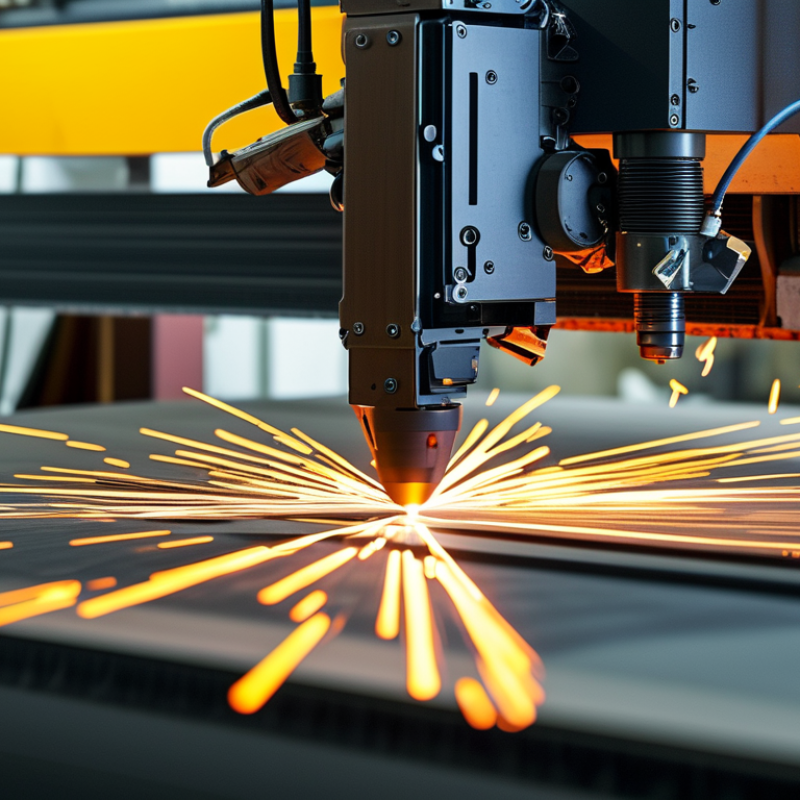
When choosing a cutting laser machine, understanding the available types is crucial. CO2 lasers are popular for non-metal materials. They work well with wood, acrylic, and fabric. These machines produce high-quality cuts and engravings. However, they may have limitations on metal cutting capabilities. For metal materials, fiber lasers are more effective. They can cut through aluminum, steel, and copper with precision and speed.
Another type is the solid-state laser, often used in industrial applications. Solid-state lasers offer exceptional durability and efficiency. Yet, they can come at a higher cost and require specific maintenance. Understanding your materials and needs helps in selecting the right option.
Don’t overlook the importance of power ratings. Higher wattage means faster cutting speeds. However, it can also lead to over-cutting or burn marks if not properly managed. Assess your capabilities and the results you desire. Seek advice from professionals if needed. This decision requires a balance between technology and practical application. Always consider your long-term needs and potential growth.
Choosing the right cutting laser machine involves several critical factors. One key aspect is the machine's power. A higher wattage generally indicates faster cutting speeds. For example, a 1500W laser can cut through thicker materials like stainless steel more efficiently. Knowing the thickness of the material you'll mostly work with can guide your decision.
Another vital factor is the cutting area. Machines come in various sizes. If your projects involve large sheets, you'll need a machine that accommodates that. According to recent industry reports, a significant portion of users prefer models with a cutting area of at least 1300mm by 2500mm. This size is versatile for various applications.
Additionally, consider the machine's compatibility with different materials. Some models excel with metals, while others are better for wood or acrylic. Research shows that machines capable of multi-material functionality are increasingly popular. They offer better value and flexibility. Reliability and ease of maintenance also matter. Machines with easily replaceable parts can save you time and money in the long run. Look for user reviews and warranty options before making your choice.
When choosing a cutting laser machine, you must evaluate your material and project requirements. Different materials react uniquely to laser technology. Wood, for example, requires specific laser settings compared to metals. Thicker materials may demand higher power and slower speeds. Understanding these differences is critical for achieving precise cuts.
It's also vital to consider the complexity of your projects. Intricate designs might require a machine with higher precision and advanced features. Assess the types of cuts you plan to make. Simple shapes are forgiving, while detailed patterns can be challenging. Knowing your project scope can help you avoid disappointment.
Reflect on your experience with laser cutting. A novice might struggle with complicated setups. On the other hand, seasoned users might overlook the significance of material properties. Take time to research and ensure that your chosen laser machine aligns with your needs. Analysis of your specific projects can significantly influence your purchasing decision.
When choosing a cutting laser machine, laser power is a critical factor. High power allows the machine to cut through thicker materials. However, excessive power can lead to material damage or warping. Understanding the balance between power and precision is essential. Each application may require a different power level. For example, cutting thin acrylic demands lower power than metals.
Precision is equally vital. A machine that lacks precision may produce rough edges and inaccuracies. This can ruin an otherwise good project. Factors like spot size and beam quality influence precision. Operators must assess the specific needs of their projects. Sometimes, even small deviations can have significant impacts, especially in intricate designs.
Reflecting on these aspects can lead to better decision-making. It’s common for users to prioritize power over precision. Yet, a powerful machine without precision may not meet expectations. Regularly revisiting power and precision requirements can ensure the right machine is chosen for future tasks. Investing in the right features will improve both the quality and efficiency of the work.
When considering the purchase of a cutting laser machine, budgeting is critical. Analyze initial costs versus long-term benefits. A low-priced machine might save money upfront but can lead to higher operational costs due to inefficiency. Think about the materials you’ll work with. Different materials require different machine specifications, which can impact overall costs.
Maintenance is another key factor. Budget for regular servicing and potential repairs. Cheaper machines may need more frequent maintenance, leading to unexpected expenses. Research average upkeep costs for different models. Look for user reviews that discuss long-term reliability. This information can guide you toward more sustainable choices, saving money in the long run.
Don’t forget about software and training costs. Some machines require advanced software that may not be included. Training staff can also add to expenses. Make sure to factor these into your budget. Overlooking hidden costs can affect your financial decisions. Take time to reflect on what features are truly necessary versus nice to have, ensuring you make a wise investment.
„Thanks to the LUVIR technology, the solder resist process could be switched directly from the previously used mask exposure to direct exposure. As an outstanding digital solution on the market, this technology has been able to demonstrate fast process times and superior quality on our certified conventional ink in production. This allowed us to fully digitize the solder mask process at low cost – without process or ink adjustments. An excellent benefit to our production in Rot am See.“
Ralf Göhringer (Head of Production WE Rot am See)
I would definitely recommend the Limata machine and team for a future company purchase
Michael Greenaway
Compunetics Inc.
“The Limata ldi has been amazing!! Best thing we did was buy this machine”
Richard Brady
GM
Circuitlabs
“Since 2019, we have been running the Limata X1000 LDI system (including LUVIR for solder mask imaging) in daily production as an addition to our current process with film. The machine was capable of properly exposing Taiyo PSR-4000 BN (DI) solder mask types on normal to high-copper boards using a new and unique direct imaging process. The machine operating interface is very user friendly which allowed for a quick technical training curve. The pre-registration processing reduced several seconds of production time at every print. Limata support and service staff is incomparable. They supported our team every step of the way at basically any time of the day or night, with literally, an immediate response time, customizing the software interface to best fit our Operations and needs.
We have exposed more than 8,000 prints since end of October, on various solder mask colors and some resist film panels. Limata, has proven to be very capable and innovative. They are a strong contender in the industry.
We have very much enjoyed this project, and working with the team!
Thank you Limata for the continued support and being a part of our growth.”
Bill Sezate
Vice President, GM
Summit Interconnect
As a replacement to our current contact exposure process with film, the LIMATA X2000 system including LUVIR-Technology was capable of properly exposing non-LDI solder mask types using a direct imaging process. The machine offers cutting edge software with a very intuitive operating interface which allowed for quick technician training curve. The dual drawer system combined with pre-registration processing reduced several seconds of production time at every machine cycle. Limata support and service staff is world class. They added software patches to keep production running at shortest possible response times, customized the software interface to best fit our in-house Operations system, and even wrote a step-by-step machine processing manual. As a result of the project, we have exposed more than 16,000 times on various product types and solder mask brands/colors. Limata, in a very short timeframe as a company, has definitely shown they are truly innovative and will be challenging the industry of direct imaging for the top spot.
Kevin Beattie
Process Engineer
TTM Technologies
Forest Grove Division
