Choosing the right "Dry-Type Power Transformer" can be a complex decision. This transformer type offers advantages, such as safety and efficiency. Many seek a reliable solution for various applications. However, factors vary depending on specific needs.
Consider the environment where you will use the transformer. Dry-type transformers are often preferred in indoor settings. They are less prone to leaks and are easier to maintain. But, you must evaluate the load requirements and configuration too. Each installation comes with unique challenges.
Experts suggest focusing on quality and reliability. Not all dry-type transformers are the same. Review manufacturer specs and certifications. Quality influences longevity and performance. An informed choice can lead to better efficiency and lower energy costs. Ultimately, understanding your unique requirements will guide your decision.
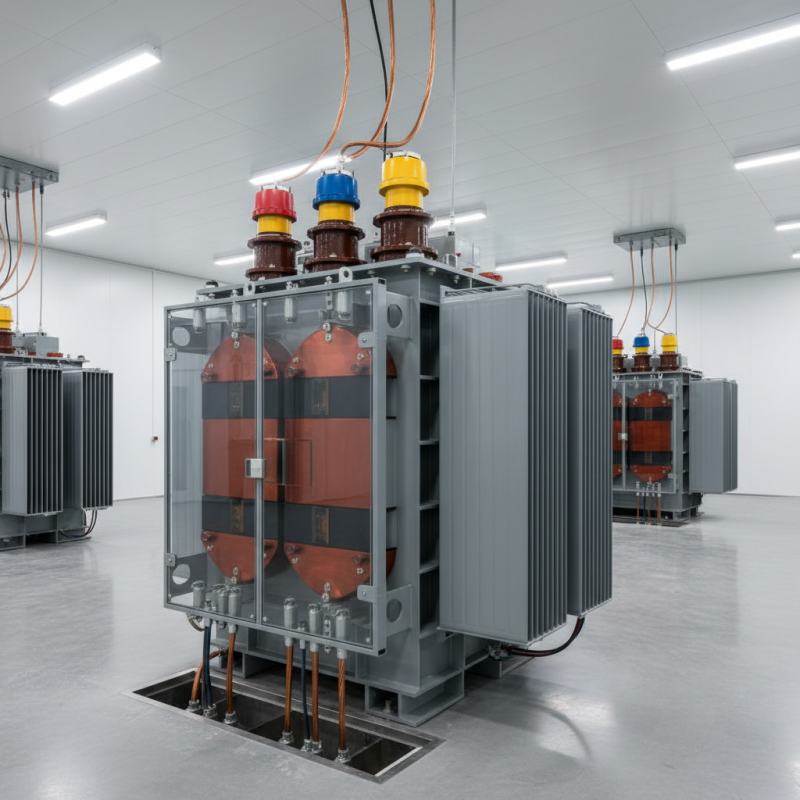
When selecting a dry type power transformer, several key factors play a crucial role. First, consider the application and its specific requirements. Different industries have varying demands for power levels and efficiency. For commercial buildings, focus on low noise levels and compact designs. Industrial applications may require higher power ratings and more robust construction.
Another important aspect is the transformer’s cooling method. Dry type transformers typically utilize air cooling. Evaluate the environment where your transformer will be installed. High humidity or extreme temperatures can affect performance. Ensure adequate ventilation and consider models with enhanced cooling features for such conditions.
Tips: Always verify the transformer's efficiency rating. Higher efficiency often means lower energy losses. Additionally, inspect the materials used in construction. Quality insulation materials contribute to longevity and safety.
Review your power needs carefully. An underpowered transformer may lead to overheating. Conversely, an oversized unit can result in unnecessary costs. Always calculate the load requirements realistically. Taking these considerations into account will help ensure you select a transformer that meets your needs effectively.
When selecting a dry type power transformer, understanding the different types is crucial. These transformers are categorized mainly into two types: cast resin and encapsulated. Cast resin transformers are known for their durability. They provide excellent resistance to moisture and environmental conditions. This makes them suitable for various industrial applications. Encapsulated transformers, on the other hand, offer enhanced protection and are often used in urban areas.
Another aspect to consider is the transformer's voltage rating and capacity. It’s vital to match these specifications with your specific power requirements. Oversizing can lead to inefficiencies, while undersizing can cause overheating and operational failures. Each application has unique demands, so thorough assessment is necessary.
In addition, think about maintenance needs for your chosen transformer type. While dry type transformers require less upkeep than oil-filled ones, they are not maintenance-free. Regular inspections are essential for ensuring their longevity. This observation process can reveal issues early, preventing costly failures. Therefore, understanding the specifics of dry type transformers allows you to make informed choices that meet both current and future needs.
When selecting a dry type power transformer, assessing power rating and efficiency is critical. Power rating determines how much load the transformer can handle. It’s crucial to match the rating with your application needs. Too low a rating could lead to overheating and damage. On the other hand, an oversized transformer may lead to inefficiencies.
Efficiency is another vital aspect. An efficient transformer minimizes energy losses. This not only reduces operational costs but also enhances overall system performance. It’s essential to consider the specific environment where the transformer will operate. Factors such as temperature, humidity, and ventilation play a role in efficiency.
However, balancing these factors can be challenging. Users may overestimate their power needs, which can lead to higher initial costs. Additionally, some may not fully understand the efficiency ratings provided. A good practice is to consult with professionals who understand these complexities. This can assist in making a well-informed choice that suits both operational needs and budget constraints.
When choosing a dry type power transformer, the installation environment plays a crucial role. Factors such as temperature, humidity, and dust levels can impact transformer performance. Assess potential challenges before installation. Evaluate the space available for the transformer. Tight spaces may necessitate a smaller design, while larger areas can accommodate bigger units.
Tips: Consider the insulation class of the transformer. Higher classes allow for better performance in extreme environments. Always check ventilation options to promote heat dissipation.
Pay attention to nearby structures. If there are vibrations or electromagnetic interference, they could affect your transformer. Accessible installation points are key for maintenance. Assessing your installation needs upfront can save you from costly adjustments later.
Tips: Regular inspection is vital. Look for dirt accumulation or unusual noises. These signs can be early alerts of issues needing attention. Prioritize a clean, well-ventilated space.
When selecting a dry type power transformer, evaluating manufacturer reliability is essential. Look for companies with a proven history in the industry. Check their years of experience and past projects. Those with extensive expertise often provide better products and services. It's beneficial to read customer reviews. Discover the common feedback about their transformers. Evaluating this information will help you feel more secure in your choice.
Support services are equally important. Consider whether the manufacturer offers technical assistance after the sale. A knowledgeable support team can address potential issues promptly. Investigate their warranty policies too. A strong warranty shows confidence in their products. Don't overlook the importance of easy access to replacement parts. Long lead times can cause significant downtime for your operations. Reflect on how these factors align with your needs and future plans.
„Thanks to the LUVIR technology, the solder resist process could be switched directly from the previously used mask exposure to direct exposure. As an outstanding digital solution on the market, this technology has been able to demonstrate fast process times and superior quality on our certified conventional ink in production. This allowed us to fully digitize the solder mask process at low cost – without process or ink adjustments. An excellent benefit to our production in Rot am See.“
Ralf Göhringer (Head of Production WE Rot am See)
I would definitely recommend the Limata machine and team for a future company purchase
Michael Greenaway
Compunetics Inc.
“The Limata ldi has been amazing!! Best thing we did was buy this machine”
Richard Brady
GM
Circuitlabs
“Since 2019, we have been running the Limata X1000 LDI system (including LUVIR for solder mask imaging) in daily production as an addition to our current process with film. The machine was capable of properly exposing Taiyo PSR-4000 BN (DI) solder mask types on normal to high-copper boards using a new and unique direct imaging process. The machine operating interface is very user friendly which allowed for a quick technical training curve. The pre-registration processing reduced several seconds of production time at every print. Limata support and service staff is incomparable. They supported our team every step of the way at basically any time of the day or night, with literally, an immediate response time, customizing the software interface to best fit our Operations and needs.
We have exposed more than 8,000 prints since end of October, on various solder mask colors and some resist film panels. Limata, has proven to be very capable and innovative. They are a strong contender in the industry.
We have very much enjoyed this project, and working with the team!
Thank you Limata for the continued support and being a part of our growth.”
Bill Sezate
Vice President, GM
Summit Interconnect
As a replacement to our current contact exposure process with film, the LIMATA X2000 system including LUVIR-Technology was capable of properly exposing non-LDI solder mask types using a direct imaging process. The machine offers cutting edge software with a very intuitive operating interface which allowed for quick technician training curve. The dual drawer system combined with pre-registration processing reduced several seconds of production time at every machine cycle. Limata support and service staff is world class. They added software patches to keep production running at shortest possible response times, customized the software interface to best fit our in-house Operations system, and even wrote a step-by-step machine processing manual. As a result of the project, we have exposed more than 16,000 times on various product types and solder mask brands/colors. Limata, in a very short timeframe as a company, has definitely shown they are truly innovative and will be challenging the industry of direct imaging for the top spot.
Kevin Beattie
Process Engineer
TTM Technologies
Forest Grove Division
