Selecting the right Impulse Sealing Machine can be challenging. It is essential to understand your specific packaging needs. Different industries require different sealing solutions. For example, food packaging demands high hygiene standards, while electronics may focus on moisture protection.
When choosing an Impulse Sealing Machine, consider factors like seal length and width. Machine durability is crucial as well. A poorly constructed machine may lead to inconsistent seals. This inconsistency can affect product integrity and consumer trust. Researching various brands helps gauge their reputation. Look for user reviews and testimonials to inform your decision.
Evaluating the machine’s functionality is also vital. Machines with adjustable temperature settings offer versatility. However, complexity might be a drawback for some users. Not all operators are well-versed in machinery. It’s also important to assess after-sales support and warranty options. A reliable brand typically provides robust customer service. Choosing wisely can improve efficiency and quality in your production line.
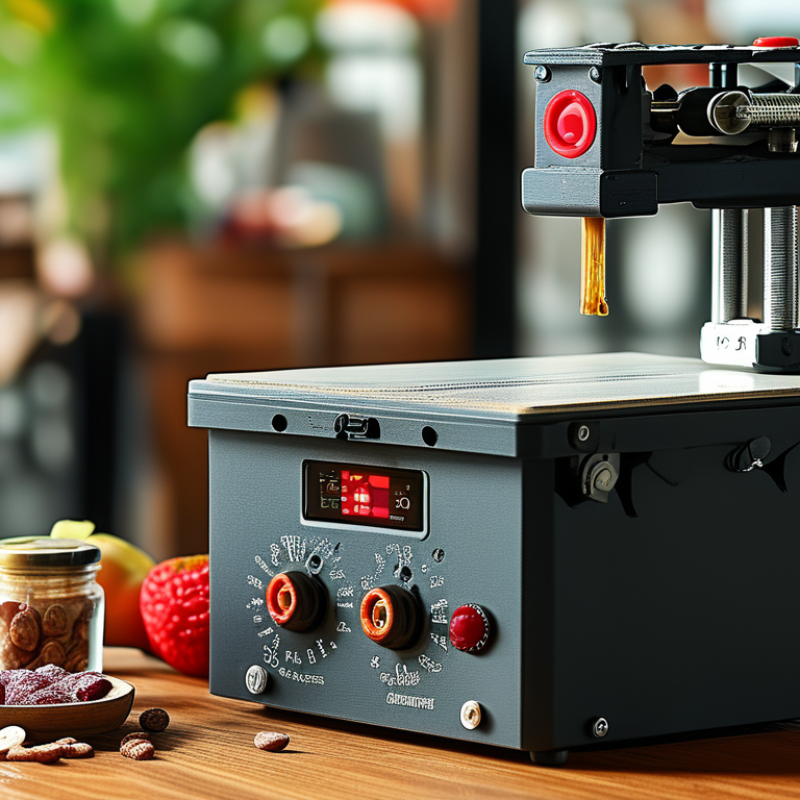
When considering an impulse sealing machine, it's crucial to assess your packaging needs. Different products require different sealing methods. Understand the materials you will be working with. For example, plastic bags, aluminum foil, and other materials have specific sealing requirements. Evaluate the size of items you plan to package, as this will dictate the type of machine you need.
Tip: Make a list of your most frequently packaged items. This will help you determine the required sealing width and machine size. Consider your production volume as well. A small business may only need a bench-top model, while larger operations might require more extensive equipment.
Don’t overlook the importance of machine features. Some machines have adjustable temperature settings, while others may offer different sealing speeds. Think about future needs as well. You might grow and require more advanced features down the line. Always read reviews and seek expert opinions before making a decision. Balancing cost with functionality is vital for a smart purchase.
Impulse sealers come in various types, each tailored for specific applications. The most common types are hand sealers, foot sealers, and continuous sealers. Hand sealers are portable and ideal for small-scale operations. They offer flexibility and are easy to use, making them suitable for home businesses and small packaging tasks. Foot sealers, on the other hand, provide hands-free operation, allowing for higher output. They are often preferred in busy environments where efficiency is key. Continuous sealers are designed for high-volume production. They can handle an endless supply of bags, making them perfect for factories and large businesses.
Understanding your sealing needs is crucial. Consider the materials you will seal. Different sealers work better with various film types. For instance, if you are sealing thicker materials, a heavier-duty sealer is necessary. Evaluate the speed and volume of your operation. If you require rapid sealing, opt for a continuous sealer. For occasional use, a hand sealer may suffice.
Tips: Always test the sealer before regular use. This ensures it meets your specific requirements. Don't overlook maintenance, as regular cleaning can prolong the sealer's life. Lastly, consider user feedback on different models. This can provide insights into performance and reliability. Selecting the right impulse sealer requires careful consideration. Reflect on your working environment and sealing demands before making a decision.
When selecting an impulse sealing machine, consider key features that define its quality and performance. An important aspect is the sealing element. Machines with longer heating wires can provide consistent seals. According to industry studies, seals that last longer than 100 hours without replacement significantly reduce downtime. Look for machines offering adjustable sealing time and temperature. This flexibility caters to various packaging materials, ensuring an effective seal.
Another critical feature is the machine's construction. A sturdy, well-built machine enhances reliability. Stainless steel components not only improve durability but also facilitate cleaning. In fact, machines made from high-quality materials last 20-30% longer than cheaper alternatives. User-friendly controls enhance efficiency. Machines with intuitive interfaces help reduce learning curves for operators.
Power efficiency also plays a significant role. Research shows that energy-efficient models can save up to 15% in operating costs. However, some machines may not perform effectively on thicker materials, which could be a limitation. Regular maintenance is essential to maintain seal quality. Even the best machines require periodic checks for optimal functionality. Without proper upkeep, the sealing quality may deteriorate, leading to product spoilage.
When evaluating the cost-effectiveness of impulse sealers in production, several factors come into play. Impulse sealers ensure airtight seals for various packaging needs. Their initial cost can vary, impacting your budget. But, in the long run, they often prove to be a worthy investment. They minimize product spoilage, which can save significant amounts in waste.
However, not all impulse sealers are created equal. Some machines may seem cost-effective initially but incur higher operational costs. This includes frequent maintenance and energy consumption. Analyzing these factors can help you choose a machine that fits your needs best. Look for models with energy-saving features and consider their durability as well.
Another consideration is the intended use. Will you be sealing lightweight bags or heavier materials? Understanding your production demands impacts the cost benefits. For instance, a machine designed for high-volume operations may have a higher upfront cost but yield greater savings over time. Overall, spending time on research and assessment can significantly influence your return on investment.
Maintaining your impulse sealing machine is vital for its longevity and efficiency. Regular cleaning is essential. Dust and residue can hinder performance. Gently wipe down the sealing bars after each use. This simple practice can prevent contamination and keep your seals tight.
Another crucial aspect is checking the machine's heating element. Over time, this component can wear out, affecting the sealing quality. Inspect it regularly for any signs of damage. If you notice inconsistencies in seal quality, it might be time to replace the heating element. This small maintenance step can save you from larger problems.
Lastly, make sure to properly store your sealing machine. Avoid exposing it to extreme temperatures or moisture. A designated, dry area will help maintain its functionality. Think about the positioning within your workspace. An easily accessible location can lead to more careful handling and less wear over time. Consider these tips to ensure your impulse sealing machine remains a reliable tool in your operations.
| Feature | Details |
|---|---|
| Sealing Width | Available in various widths (e.g., 8", 12", 16") depending on your packaging needs. |
| Seal Quality | Consider the thickness and type of materials being sealed (such as plastic or foil). |
| Power Supply | Options include electric, battery-operated, or pneumatic systems. |
| Portability | Lightweight and compact models are available for easy transport. |
| Maintenance Tips | Regularly clean sealing bars and check for wear and tear to extend lifespan. |
| Temperature Control | Adjustable heating settings ensure perfect seals based on material type. |
| Warranty | Look for warranties offering at least 1-2 years for parts and service. |
„Thanks to the LUVIR technology, the solder resist process could be switched directly from the previously used mask exposure to direct exposure. As an outstanding digital solution on the market, this technology has been able to demonstrate fast process times and superior quality on our certified conventional ink in production. This allowed us to fully digitize the solder mask process at low cost – without process or ink adjustments. An excellent benefit to our production in Rot am See.“
Ralf Göhringer (Head of Production WE Rot am See)
I would definitely recommend the Limata machine and team for a future company purchase
Michael Greenaway
Compunetics Inc.
“The Limata ldi has been amazing!! Best thing we did was buy this machine”
Richard Brady
GM
Circuitlabs
“Since 2019, we have been running the Limata X1000 LDI system (including LUVIR for solder mask imaging) in daily production as an addition to our current process with film. The machine was capable of properly exposing Taiyo PSR-4000 BN (DI) solder mask types on normal to high-copper boards using a new and unique direct imaging process. The machine operating interface is very user friendly which allowed for a quick technical training curve. The pre-registration processing reduced several seconds of production time at every print. Limata support and service staff is incomparable. They supported our team every step of the way at basically any time of the day or night, with literally, an immediate response time, customizing the software interface to best fit our Operations and needs.
We have exposed more than 8,000 prints since end of October, on various solder mask colors and some resist film panels. Limata, has proven to be very capable and innovative. They are a strong contender in the industry.
We have very much enjoyed this project, and working with the team!
Thank you Limata for the continued support and being a part of our growth.”
Bill Sezate
Vice President, GM
Summit Interconnect
As a replacement to our current contact exposure process with film, the LIMATA X2000 system including LUVIR-Technology was capable of properly exposing non-LDI solder mask types using a direct imaging process. The machine offers cutting edge software with a very intuitive operating interface which allowed for quick technician training curve. The dual drawer system combined with pre-registration processing reduced several seconds of production time at every machine cycle. Limata support and service staff is world class. They added software patches to keep production running at shortest possible response times, customized the software interface to best fit our in-house Operations system, and even wrote a step-by-step machine processing manual. As a result of the project, we have exposed more than 16,000 times on various product types and solder mask brands/colors. Limata, in a very short timeframe as a company, has definitely shown they are truly innovative and will be challenging the industry of direct imaging for the top spot.
Kevin Beattie
Process Engineer
TTM Technologies
Forest Grove Division
