Choosing the right Paper Cutting Machine can significantly affect your business efficiency. The market for cutting machines is projected to grow by 5.6% annually, reaching $3.5 billion by 2025, according to a recent industry report. This growth highlights the importance of selecting a machine that meets your specific needs.
Different types of Paper Cutting Machines offer various features tailored to distinct requirements. Precision, speed, and ease of use are crucial factors that can either enhance productivity or lead to setbacks. For instance, rotary cutters may excel in speed, but they can lack the precision needed for intricate designs. Understanding these specifications can avoid unnecessary buying mistakes.
Investing in the right machine requires weighing these complexities. Many users find themselves overwhelmed by options and make quick decisions that don't align with their actual needs. This can result in wasted resources and time. A careful evaluation of your requirements will lead you to an optimal choice, ensuring that your Paper Cutting Machine truly supports your projects.
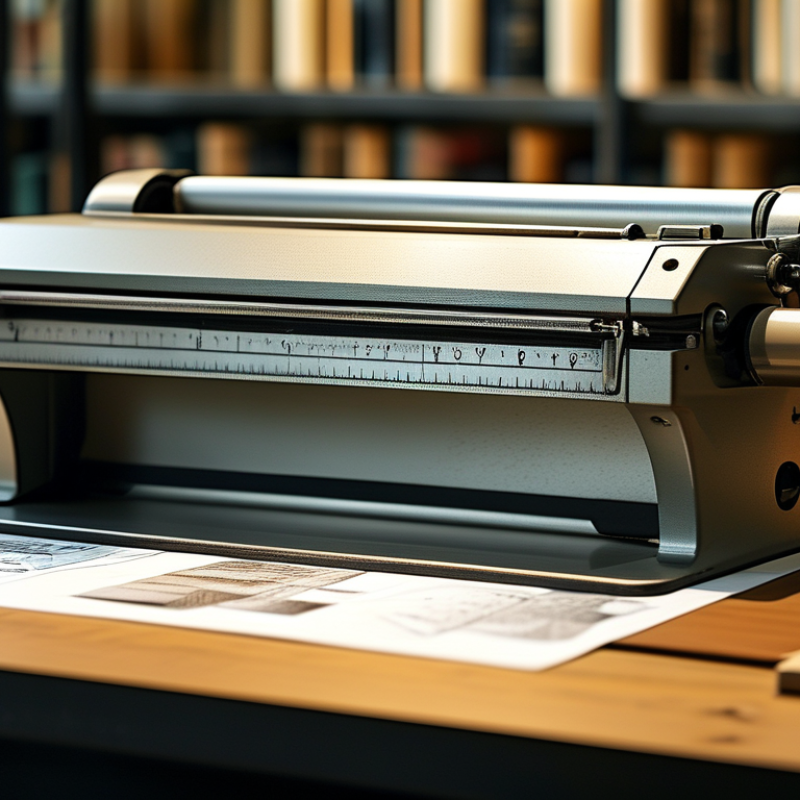
When choosing a paper cutting machine, understanding the different types available is crucial. There are several options tailored to various needs. For instance, guillotine cutters offer straight, clean cuts and are ideal for larger stacks of paper. They work well in environments needing precision, such as printing shops or offices.
Rotary cutters, on the other hand, use a circular blade. These machines excel at trimming and creating intricate designs. They are popular among crafters and are perfect for scrapbook enthusiasts. If you require portable solutions, consider handheld models. They are simple, easy to use, and great for small projects at home or on-the-go.
It’s essential to reflect on your cutting needs. Think about the volume of paper you will cut regularly. If you only need a machine occasionally, an expensive, robust model may not be necessary. Additionally, safety features play a significant role. Look for machines with protective shields or blades that retract. Each type of machine has its pros and cons; what works for one person may not suit another. It's vital to assess your specific requirements before making a decision.
When choosing a paper cutting machine, several key features are essential. The cutting capacity is one of the main considerations. You need to determine the thickness of the paper you will cut. A machine with a higher capacity can handle more sheets at once. This is crucial for efficient workflows.
Another important feature is the cutting method. Options include rotary, guillotine, or electric cutting machines. Each has its own advantages and suited for different tasks. A guillotine cutter usually provides more precision, while electric cutters save time and effort.
Check the safety features as well. Machines with anti-jamming and automatic shut-off functions can prevent accidents. If you're new to cutting, consider the ease of use. Some machines may look sophisticated but can be confusing. Clarity in operation is vital for effective use. Always think about your specific needs and preferences before making a decision. Your choice should reflect your cutting frequency and volume.
When selecting a paper cutting machine, it's crucial to assess your specific needs and usage scenarios. Consider your project types—are they small crafts or large-scale commercial jobs? According to industry reports, about 35% of users prioritize cutting volume, while 45% focus on precision. Knowing this will guide you in picking the right model.
Evaluate the materials you frequently cut. Different machines handle varied thicknesses and types of paper. Some are robust for card stock, while others excel with standard paper products. In fact, a key study indicated that effective machines can reduce errors by approximately 20%, enhancing overall workflow efficiency. Depending on your regular tasks, this can translate into significant time savings.
Lastly, don't overlook maintenance needs. Some machines require more attention than others. A user survey found that 60% of operators wished for simpler upkeep. If you prefer less hassle, choose a model known for durability and straightforward maintenance. Think about your long-term satisfaction. Investing in a reliable machine that fits your unique needs will ultimately save you frustration and costs in the long run.
Choosing the right paper cutting machine heavily relies on your budget. Understanding what you need helps you prioritize features. Affordable options often lack advanced functionalities. If your tasks are simple, consider entry-level models. They are budget-friendly and reliable for basic cutting needs.
When examining higher price points, think about durability and efficiency. Premium machines offer precision and speed, suitable for heavy use. However, they can strain your finances. Assess how often you plan to use the machine, and calculate potential return on investment. Investing in a more expensive model may be wise if it saves time and enhances productivity.
Budget considerations should not just focus on purchase price. Factor in maintenance costs, replacement blades, and energy consumption. Sometimes the cheapest option ends up being costly in the long run. Evaluate all these aspects for a comprehensive view of affordability. Quality often trumps price, so choose wisely.
When choosing a paper cutting machine, customer reviews are invaluable. These insights can reveal how well a machine performs in real-world scenarios. Look for detailed feedback on durability, ease of use, and effectiveness. Not all machines are created equal; some may struggle with thicker materials. Reading both positive and negative reviews offers a balanced view of a product's strengths and weaknesses.
Brand reputation matters too. Companies that consistently receive high ratings tend to invest in quality. Seek out brands known for customer service and responsiveness. Often, a brand’s history can indicate reliability. However, even well-known brands may have specific models that fall short. It’s crucial to pay attention to any recurring complaints.
Gathering insights from experienced users can guide your choices. Online forums and social media groups can provide firsthand accounts. Conversations with fellow crafters can clarify features that matter most. Remember, personal preferences play a significant role. What works for one person may not suit another. A thorough exploration of customer experiences helps to ensure you find a machine that meets your unique needs.
| Cutting Machine Type | Cutting Capacity (mm) | Power Source | Weight (kg) | Price ($) | Average Customer Rating | Brand Reputation Score (out of 10) |
|---|---|---|---|---|---|---|
| Manual Paper Cutter | 600 | Manual | 5 | 150 | 4.2 | 8 |
| Electric Paper Cutter | 700 | Electric | 10 | 350 | 4.7 | 9 |
| Heavy-Duty Paper Cutter | 1000 | Electric | 15 | 500 | 4.5 | 7 |
| Guillotine Cutter | 600 | Manual | 7 | 120 | 4.3 | 8 |
| Rotary Cutter | 300 | Manual | 3 | 75 | 4.0 | 6 |
„Thanks to the LUVIR technology, the solder resist process could be switched directly from the previously used mask exposure to direct exposure. As an outstanding digital solution on the market, this technology has been able to demonstrate fast process times and superior quality on our certified conventional ink in production. This allowed us to fully digitize the solder mask process at low cost – without process or ink adjustments. An excellent benefit to our production in Rot am See.“
Ralf Göhringer (Head of Production WE Rot am See)
I would definitely recommend the Limata machine and team for a future company purchase
Michael Greenaway
Compunetics Inc.
“The Limata ldi has been amazing!! Best thing we did was buy this machine”
Richard Brady
GM
Circuitlabs
“Since 2019, we have been running the Limata X1000 LDI system (including LUVIR for solder mask imaging) in daily production as an addition to our current process with film. The machine was capable of properly exposing Taiyo PSR-4000 BN (DI) solder mask types on normal to high-copper boards using a new and unique direct imaging process. The machine operating interface is very user friendly which allowed for a quick technical training curve. The pre-registration processing reduced several seconds of production time at every print. Limata support and service staff is incomparable. They supported our team every step of the way at basically any time of the day or night, with literally, an immediate response time, customizing the software interface to best fit our Operations and needs.
We have exposed more than 8,000 prints since end of October, on various solder mask colors and some resist film panels. Limata, has proven to be very capable and innovative. They are a strong contender in the industry.
We have very much enjoyed this project, and working with the team!
Thank you Limata for the continued support and being a part of our growth.”
Bill Sezate
Vice President, GM
Summit Interconnect
As a replacement to our current contact exposure process with film, the LIMATA X2000 system including LUVIR-Technology was capable of properly exposing non-LDI solder mask types using a direct imaging process. The machine offers cutting edge software with a very intuitive operating interface which allowed for quick technician training curve. The dual drawer system combined with pre-registration processing reduced several seconds of production time at every machine cycle. Limata support and service staff is world class. They added software patches to keep production running at shortest possible response times, customized the software interface to best fit our in-house Operations system, and even wrote a step-by-step machine processing manual. As a result of the project, we have exposed more than 16,000 times on various product types and solder mask brands/colors. Limata, in a very short timeframe as a company, has definitely shown they are truly innovative and will be challenging the industry of direct imaging for the top spot.
Kevin Beattie
Process Engineer
TTM Technologies
Forest Grove Division
