Choosing the right Peel Test Machine can be challenging. An expert in the field, Dr. Emily Zhang, emphasizes the importance of understanding specific testing requirements. She states, “Selecting a Peel Test Machine requires careful consideration of both materials and methods.”
Peel test machines serve various industries, from packaging to electronics. Each application demands precise metrics. For instance, a machine suited for adhesive testing may not work for flexible packaging. It's crucial to match the machine to your specific needs.
Many companies rush this decision. They often overlook critical factors like accuracy and durability. It's not enough to simply buy a machine; thorough research is essential. The right Peel Test Machine will enhance quality assurance processes and ultimately save costs in the long run. However, buyers must remain informed and reflective about their choices.
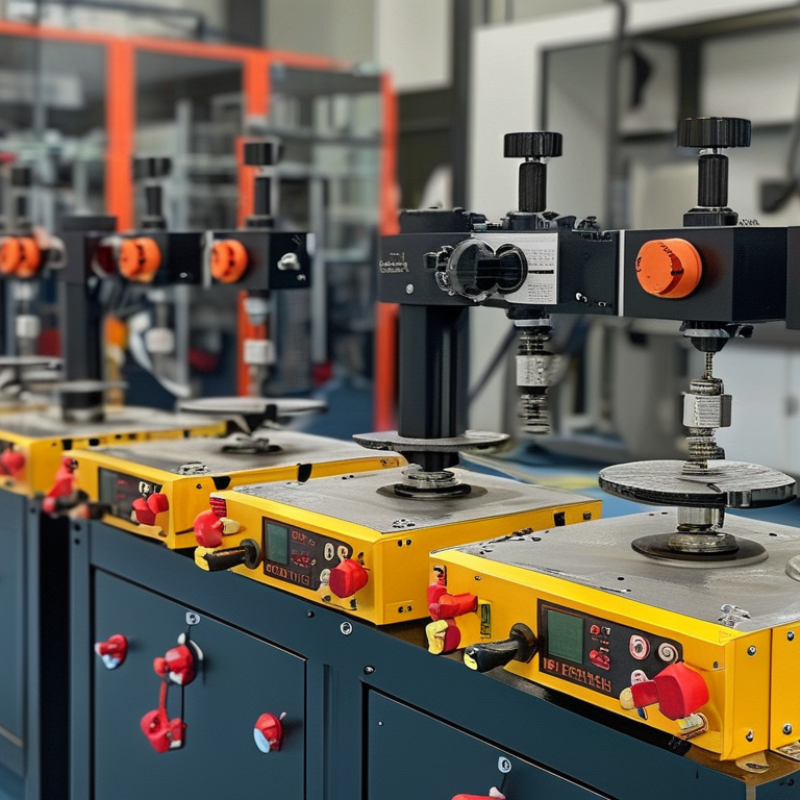
Peel test machines are essential in material testing for evaluating adhesive strength. The importance of accurately measuring this property cannot be overstated. According to industry reports, nearly 30% of product failures relate to adhesive bonding issues. This statistic underscores the need for reliable testing equipment. Manufacturers often face challenges in ensuring product durability.
When selecting a peel test machine, consider its precision and versatility. Different materials require specific testing configurations. A machine that can adapt to diverse applications may save time and cost. However, not every machine meets the rigorous standards of industry testing protocols. It's vital to ensure that the selected equipment aligns with ASTM or ISO standards. Without this alignment, results may lack reliability.
Moreover, it’s important to consider operator training. Many operators have limited experience with these machines. Improper use can lead to inaccurate readings. Training programs can mitigate this risk, but often they are overlooked. Investing in operator education can enhance the credibility of test results. Ultimately, understanding the nuances of peel testing is crucial for quality assurance in any production environment.
When selecting a peel test machine, there are several key factors to consider. First, assess the testing standards you need to meet. Different industries have unique requirements. Some may require high precision, while others focus on speed and efficiency. Your choice should align with these standards to ensure accurate results.
Next, consider the range of materials you will be testing. A versatile machine should handle different substrates and adhesive types. It’s essential to understand the specific characteristics of your materials. This will help avoid potential issues during testing. Equipment that offers adaptability can be a good investment.
Budget is also crucial. High-end machines may provide advanced features, but it's important to evaluate if you truly need them. A simpler unit might suffice for basic testing. Regular maintenance and training should be factored in as well. Investing in operator training can improve accuracy and efficiency, leading to better overall results. Always reflect on your specific needs before making a final decision.
When selecting a peel test machine, it’s essential to understand the different types available. Each design serves distinct purposes, so it’s crucial to find one that fits your needs. For instance, some machines are ideal for flexible packaging, while others focus on rigid substrates. Consider the materials you'll be testing. Knowing the specifics allows for a more informed choice.
A key factor in choosing the right machine is payload capacity. Some tests require more force than others, depending on material thickness. Always check the machine's maximum load and ensure it meets your requirements. Understanding the testing standards relevant to your industry will also guide your selection.
Tips: Research the accuracy and precision of different models. Consistency in results is vital. Ask for test data or case studies. Evaluate your long-term needs. A machine that fits today might not suit future testing demands. Balancing initial costs with long-term benefits will help make a sound decision.
Sometimes, your first choice might not be perfect. Take time to adapt and reevaluate after initial tests. Feedback from team members who operate the machine can provide valuable insights. Be open to adjustments in your approach as you gather more data.
When selecting a peel test machine, understanding the key specifications is crucial. The most important parameters include peel strength, testing speed, and temperature control. According to industry reports, machines with adjustable speed capabilities show a 30% increase in testing precision. Testing procedures that account for different substrates can also influence outcomes significantly. Advanced features like programmable settings can enhance reliability.
Tip: Always ensure that the machine covers your specific material requirements. For instance, if you're testing flexible films, choose a machine that accommodates various thicknesses without compromising accuracy.
Another critical feature is the data reporting capability. Real-time data analysis can improve decision-making. Reports indicate that machines offering graphical outputs have a 25% faster testing turnaround. Users might overlook connectivity options when choosing a machine, but this can limit integration with existing systems.
Tip: Consider machines with robust software interfaces for easier calibration and data management. Testing parameters should be intuitive to minimize the learning curve for operators, especially in high-output environments.
When budgeting for a peel test machine, understanding the balance between cost and quality is vital. High-quality machines can range from $5,000 to over $20,000. Factors influencing this cost include precision, durability, and added features. A comprehensive market analysis reveals that 70% of engineers prioritize reliability over price when making their decisions. This weighs heavily in industries like packaging and electronics.
Investing in a high-quality peel test machine can lead to long-term savings. A recent industry report indicated that businesses using reliable testing equipment experienced a 30% reduction in product failure rates. However, lower-end machines may serve immediate budget concerns but can lead to greater costs down the line. The compromise often results in inaccurate testing, which ultimately affects product integrity.
Choosing wisely requires a clear understanding of your testing needs. Scrutinizing specifications and potential return on investment is crucial. Remember, some lower-priced machines may overlook essential functionalities. Always be mindful of the balance between upfront costs and the quality that ensures your business's sustainability and reputation. Engage with experts and consider user reviews to gauge the true value you’re getting, rather than just the price tag.
„Thanks to the LUVIR technology, the solder resist process could be switched directly from the previously used mask exposure to direct exposure. As an outstanding digital solution on the market, this technology has been able to demonstrate fast process times and superior quality on our certified conventional ink in production. This allowed us to fully digitize the solder mask process at low cost – without process or ink adjustments. An excellent benefit to our production in Rot am See.“
Ralf Göhringer (Head of Production WE Rot am See)
I would definitely recommend the Limata machine and team for a future company purchase
Michael Greenaway
Compunetics Inc.
“The Limata ldi has been amazing!! Best thing we did was buy this machine”
Richard Brady
GM
Circuitlabs
“Since 2019, we have been running the Limata X1000 LDI system (including LUVIR for solder mask imaging) in daily production as an addition to our current process with film. The machine was capable of properly exposing Taiyo PSR-4000 BN (DI) solder mask types on normal to high-copper boards using a new and unique direct imaging process. The machine operating interface is very user friendly which allowed for a quick technical training curve. The pre-registration processing reduced several seconds of production time at every print. Limata support and service staff is incomparable. They supported our team every step of the way at basically any time of the day or night, with literally, an immediate response time, customizing the software interface to best fit our Operations and needs.
We have exposed more than 8,000 prints since end of October, on various solder mask colors and some resist film panels. Limata, has proven to be very capable and innovative. They are a strong contender in the industry.
We have very much enjoyed this project, and working with the team!
Thank you Limata for the continued support and being a part of our growth.”
Bill Sezate
Vice President, GM
Summit Interconnect
As a replacement to our current contact exposure process with film, the LIMATA X2000 system including LUVIR-Technology was capable of properly exposing non-LDI solder mask types using a direct imaging process. The machine offers cutting edge software with a very intuitive operating interface which allowed for quick technician training curve. The dual drawer system combined with pre-registration processing reduced several seconds of production time at every machine cycle. Limata support and service staff is world class. They added software patches to keep production running at shortest possible response times, customized the software interface to best fit our in-house Operations system, and even wrote a step-by-step machine processing manual. As a result of the project, we have exposed more than 16,000 times on various product types and solder mask brands/colors. Limata, in a very short timeframe as a company, has definitely shown they are truly innovative and will be challenging the industry of direct imaging for the top spot.
Kevin Beattie
Process Engineer
TTM Technologies
Forest Grove Division
