Choosing the right Safety Padlock is essential for secure and efficient protection. With numerous options available, it can be overwhelming. The right padlock ensures that your valuables are safe, whether at work or home.
Consider the specific needs of your environment. Materials and weather conditions can affect durability. A padlock that works well in one setting may not perform in another. While affordability is important, it shouldn't sacrifice quality.
Evaluate features such as shackle size, material strength, and locking mechanisms. These details matter for your safety. Reflect on past experiences. What worked well? What didn’t? Learning from those moments can lead to better choices. A reliable Safety Padlock must reflect your unique needs and contexts.
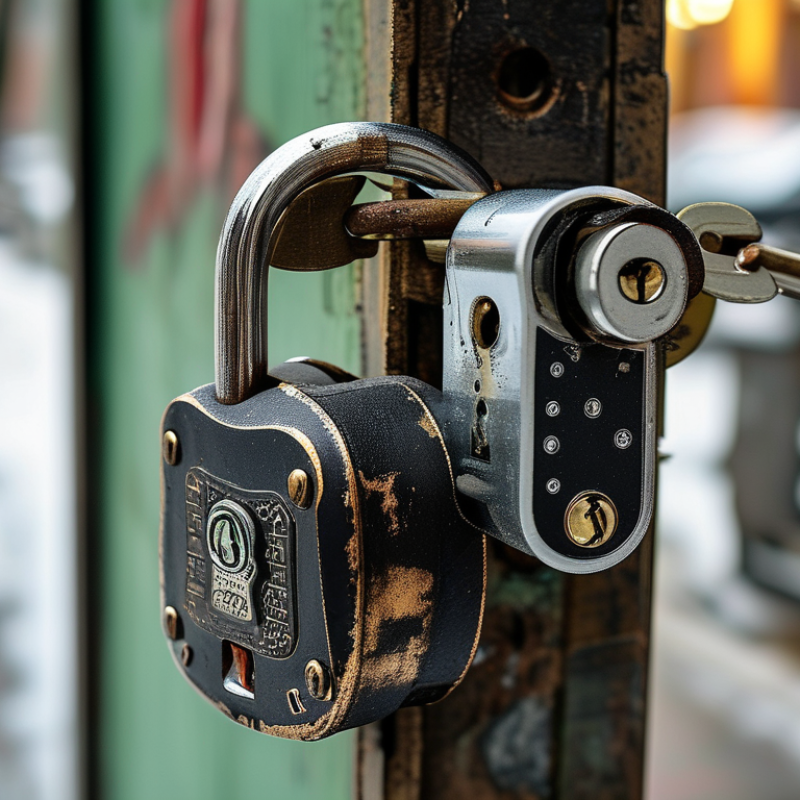
When selecting a safety padlock, it’s essential to understand the various types available. Keyed padlocks are common. They require a physical key to open. They are familiar and straightforward but can be lost or duplicated. Combination padlocks offer a code instead of a key. However, if you forget the code, access is denied.
Modern models include smart padlocks that use Bluetooth connectivity. They eliminate the need for a key or code, but rely on battery power. Battery failure could lock you out. Remember to weigh the convenience of smart technology against potential reliance on it.
**Tips:** Always check the padlock's material. Stainless steel locks provide better durability than plastic ones. Look for a good warranty, reflecting the manufacturer's confidence. Regular maintenance is crucial. Inspect locks to ensure they’re functioning properly. Even the best locks can malfunction without care.
When selecting a safety padlock, the material quality and durability are critical factors. Common materials for safety padlocks include hardened steel and brass. Hardened steel offers exceptional strength, resisting cutting and prying. Brass, while less durable, is resistant to corrosion, making it ideal for outdoor use. Choosing the right material depends on your specific environment and security needs.
Durability is not only about material type but also design features. Look for padlocks with weather-resistant seals if they will be used outdoors. Ensure the mechanism is smooth but sturdy, as this can indicate how long the lock will last. Consider the weight of the lock; a heavier lock often reflects better construction. However, lighter locks can be used for less demanding situations and may lack strength.
It's essential to assess how often a padlock will be used. Frequent usage can wear out mechanisms quickly. In some cases, a lock may perform well at first but become unreliable over time. Regularly check your padlock for signs of wear and tear, including rust or difficulty in locking and unlocking. This proactive approach could save you from unexpected security breaches. Always remember, a seemingly small detail can affect the overall performance of your safety padlock.
When selecting a safety padlock, key features can significantly influence your choice. Material is crucial; look for locks made of hardened steel or brass. These materials offer better resistance against cutting and drilling. According to industry reports, over 30% of lock failures stem from weak materials.
Another essential aspect is the lock’s shackle thickness. A thicker shackle provides added security. Typically, a shackle thicker than 9mm is considered reliable. The locking mechanism also matters. A pin tumbler mechanism is common and proves effective against picking hazards. Strive for a padlock with a five-pin or more system to enhance security.
Tips: Always test the key function before use. A poorly fitting key can lead to lockouts. Regular maintenance can extend the lifespan of a padlock. Additionally, consider the environment where the lock will be used. Locks exposed to harsh weather should be weather-resistant or have protective coatings.
Reflecting on personal experiences, some might find that certain locks fail unexpectedly. This could be due to improper usage or environmental factors. Investing in a suitable padlock doesn’t merely boil down to price; performance and reliability are critical elements to consider in ensuring safety.
When choosing a safety padlock, assessing security ratings is vital. Security ratings determine the effectiveness of a padlock against various threats. According to the American National Standards Institute (ANSI), padlocks are rated on a scale from 1 to 6, with 6 being the most secure. A rating of 4 or higher indicates a strong level of resistance to attacks, making it suitable for high-security environments.
It is also essential to consider industry standards such as the European EN 12320. This standard outlines testing methods for padlocks. Locks meeting this standard have undergone rigorous testing for factors like corrosion resistance and impact strength. Look for padlocks that comply with these standards to ensure reliability and safety.
When selecting a safety padlock, size and locking mechanism are crucial. The right size ensures the lock fits your needs. Consider what you are securing. A thin shackle may not hold against heavy-duty use. It's essential to closely examine the dimensions of both the lock and the hasp or latch it will secure.
Locking mechanism type matters significantly. Standard key locks are common but can be bypassed. Combination locks offer convenience, yet they are not foolproof. For higher security, consider a keyless entry padlock with a biometric option. These can provide superior protection but may require more frequent battery changes.
Tips: Understand the environment. If exposed to weather, opt for weather-resistant materials. Evaluate how often you will use the lock; this may influence your choice of complexity. Always test a few locks when possible before purchasing. This hands-on approach can uncover usability issues. Consider how you will remember complex combinations.
Selecting the perfect padlock isn't always straightforward. Sometimes, users choose a lock based on hype rather than function. Reflect on your specific needs to avoid frustration down the line. A well-chosen padlock can make all the difference in safety and convenience.
| Feature | Description | Ideal Use Cases |
|---|---|---|
| Size | Consider the thickness of the objects being secured | Locks for storage units, gates, or cabinets |
| Material | Choose between materials like brass, steel, or plastic for durability | Outdoor use, high-security areas |
| Locking Mechanism | Options include keyed, combination, or electronic locks | High-security needs, convenience preference |
| Weather Resistance | Locks with weather-resistant features for outdoor use | Gates, sheds, and outdoor storage |
| Weight | Heavier locks provide added security but may be cumbersome | Frequent transport or portable security needs |
„Thanks to the LUVIR technology, the solder resist process could be switched directly from the previously used mask exposure to direct exposure. As an outstanding digital solution on the market, this technology has been able to demonstrate fast process times and superior quality on our certified conventional ink in production. This allowed us to fully digitize the solder mask process at low cost – without process or ink adjustments. An excellent benefit to our production in Rot am See.“
Ralf Göhringer (Head of Production WE Rot am See)
I would definitely recommend the Limata machine and team for a future company purchase
Michael Greenaway
Compunetics Inc.
“The Limata ldi has been amazing!! Best thing we did was buy this machine”
Richard Brady
GM
Circuitlabs
“Since 2019, we have been running the Limata X1000 LDI system (including LUVIR for solder mask imaging) in daily production as an addition to our current process with film. The machine was capable of properly exposing Taiyo PSR-4000 BN (DI) solder mask types on normal to high-copper boards using a new and unique direct imaging process. The machine operating interface is very user friendly which allowed for a quick technical training curve. The pre-registration processing reduced several seconds of production time at every print. Limata support and service staff is incomparable. They supported our team every step of the way at basically any time of the day or night, with literally, an immediate response time, customizing the software interface to best fit our Operations and needs.
We have exposed more than 8,000 prints since end of October, on various solder mask colors and some resist film panels. Limata, has proven to be very capable and innovative. They are a strong contender in the industry.
We have very much enjoyed this project, and working with the team!
Thank you Limata for the continued support and being a part of our growth.”
Bill Sezate
Vice President, GM
Summit Interconnect
As a replacement to our current contact exposure process with film, the LIMATA X2000 system including LUVIR-Technology was capable of properly exposing non-LDI solder mask types using a direct imaging process. The machine offers cutting edge software with a very intuitive operating interface which allowed for quick technician training curve. The dual drawer system combined with pre-registration processing reduced several seconds of production time at every machine cycle. Limata support and service staff is world class. They added software patches to keep production running at shortest possible response times, customized the software interface to best fit our in-house Operations system, and even wrote a step-by-step machine processing manual. As a result of the project, we have exposed more than 16,000 times on various product types and solder mask brands/colors. Limata, in a very short timeframe as a company, has definitely shown they are truly innovative and will be challenging the industry of direct imaging for the top spot.
Kevin Beattie
Process Engineer
TTM Technologies
Forest Grove Division
