Choosing the right Shower Hinge can seem daunting. As an essential component in any shower enclosure, the type of hinge can influence both functionality and aesthetics. Expert Mark Johnson, a well-known figure in the plumbing hardware industry, emphasizes, “A quality shower hinge can elevate your bathroom experience.”
Selecting a shower hinge involves considering various factors. Durability, style, and installation methods are key. Many options exist, but not all fit every need. Some hinges may rust or wear quickly, which leads to potential problems. Ensuring a good fit with existing fixtures can be challenging, too. Often, buyers overlook compatibility with their doors and frames.
Reflecting on your choices is crucial. The right shower hinge can improve safety and ease of use. To avoid costly mistakes, consulting with professionals is beneficial. Not all products are made the same, and investing time in research pays off. Ultimately, it's about matching the hinge to your specific bathroom setup.
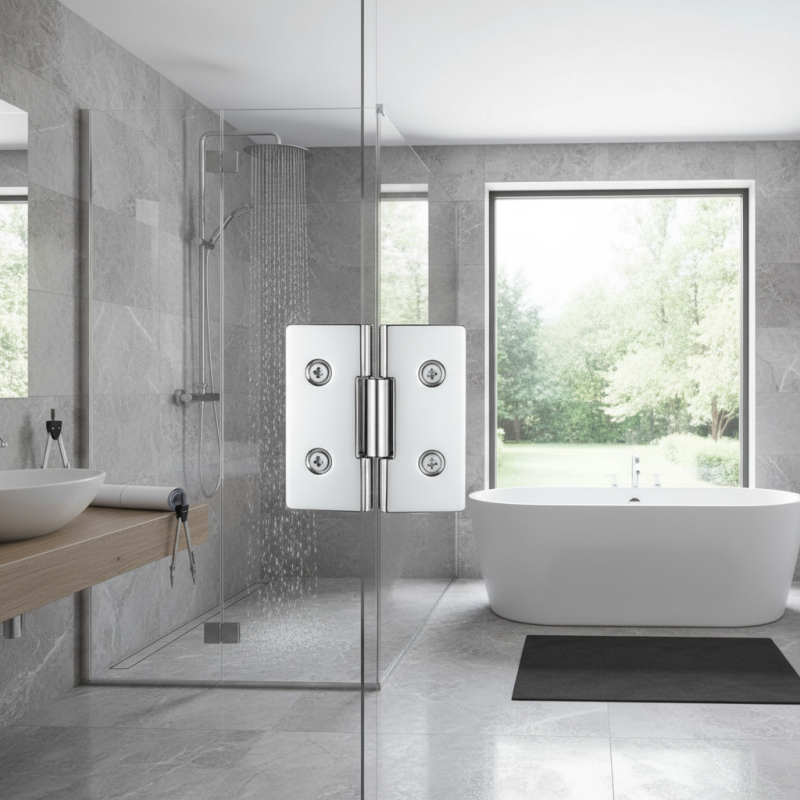
When choosing a shower hinge, several factors are essential. The first factor is the material. Stainless steel and brass are common options. They offer durability and resistance to rust. Consideration of the finish is equally important. Polished or brushed finishes can affect your bathroom's overall look. A hinge's aesthetic should complement your decor style.
Next, think about the weight of your shower door. Heavier doors require sturdier hinges. Look for hinges rated for the weight you need. Misjudging weight capacity can lead to problems, like sagging doors. Installation is another vital aspect. Some hinges are easier to install than others. Ensure you have the right tools and skills for installation.
Lastly, don’t overlook maintenance. Some hinges require regular upkeep to prevent issues. Evaluate your willingness to perform this maintenance. Choosing the right hinge involves a balance of these factors. Ignoring one may lead to dissatisfaction. Reflect on your choices carefully. You want your shower to be functional and stylish.
When choosing a shower hinge, understanding its types is crucial. There are primarily three types: pivot hinges, continuous hinges, and bi-fold hinges. Each type has specific advantages and drawbacks.
Pivot hinges are popular due to their sleek design. They allow doors to swing open and close smoothly. However, they may require precise installation, which can be tricky for DIY enthusiasts. Continuous hinges, on the other hand, provide robust support along the entire door length. They are sturdy, but they can be challenging to install correctly and may impact the aesthetic of your shower. Bi-fold hinges save space by allowing the door to fold away. While they are practical, they might not be suitable for every shower layout.
The choice depends on your specific needs and shower style. Consider the installation process, door weight, and functionality. Reflecting on these factors ensures the right choice for your bathroom. Think about how often you use your shower as well. It's easy to overlook these details, yet they profoundly impact daily use.
Choosing the right shower hinge begins with understanding the materials involved. The material affects not just the hinge’s longevity but also its appearance and performance. Stainless steel is popular due to its resistance to rust and corrosion. However, it may require periodic maintenance to preserve its shine. On the flip side, plastic hinges might seem cost-effective but could wear out quickly under pressure.
Think about the environment your shower hinge will face. High humidity can lead to quick deterioration of low-quality materials. Some hinges are coated for added protection, which can help prolong their lifespan. However, these coatings can sometimes chip, leading to corrosion underneath. This is a critical consideration if you aim for a long-lasting solution.
Reflecting on your needs is vital. Not every hinge is suitable for every bathroom design. While aesthetics are important, functionality should never be compromised. A well-chosen hinge can enhance your daily routine, while a poor choice can lead to frustration. Take time to research and weight your options carefully before making a decision.
When selecting shower hinges, weight capacity and size are crucial factors. A solid hinge must support the weight of the glass door effectively. For instance, heavier glass requires sturdier hinges. Standard sizes often cater to light to moderate loads, but custom options exist for larger installations. Pay attention to the thickness of your glass. Most shower doors are between 3/8 to 1/2 inch thick. If your door exceeds this, ensure your hinges are rated for the added weight.
Moreover, consider the size of the hinges themselves. Too small hinges may strain under weight, leading to premature wear. Conversely, oversized hinges might disrupt the aesthetics of your shower. Aim for a balance between functional support and visual appeal. This might mean consulting a professional for advice. Be open to examining various styles and finishes. The perfect hinge enhances functionality while complementing your shower design. Keep in mind the potential for wear over time. Higher traffic can affect performance. Regular inspections can prevent issues, ensuring a long-lasting installation.
When selecting shower hinges, it’s crucial to understand installation requirements. Start by reviewing the weight of your shower door. Heavier doors need sturdier hinges. Ensure that the wall is not just drywall but reinforced to support the hinge load. Accurate measurements can prevent installation headaches. Using a level is key to avoid uneven doors that may not seal properly.
Maintenance is equally important to ensure longevity. Regular cleaning prevents rust and grime buildup. Check for signs of wear or loose screws. Tighten any fittings to maintain structural integrity. Don’t ignore squeaks; they might indicate issues needing attention. It’s better to address these problems early than deal with a door that swings dangerously or gets stuck. Lastly, visualize the shower space; the right hinge can enhance both function and aesthetics.
„Thanks to the LUVIR technology, the solder resist process could be switched directly from the previously used mask exposure to direct exposure. As an outstanding digital solution on the market, this technology has been able to demonstrate fast process times and superior quality on our certified conventional ink in production. This allowed us to fully digitize the solder mask process at low cost – without process or ink adjustments. An excellent benefit to our production in Rot am See.“
Ralf Göhringer (Head of Production WE Rot am See)
I would definitely recommend the Limata machine and team for a future company purchase
Michael Greenaway
Compunetics Inc.
“The Limata ldi has been amazing!! Best thing we did was buy this machine”
Richard Brady
GM
Circuitlabs
“Since 2019, we have been running the Limata X1000 LDI system (including LUVIR for solder mask imaging) in daily production as an addition to our current process with film. The machine was capable of properly exposing Taiyo PSR-4000 BN (DI) solder mask types on normal to high-copper boards using a new and unique direct imaging process. The machine operating interface is very user friendly which allowed for a quick technical training curve. The pre-registration processing reduced several seconds of production time at every print. Limata support and service staff is incomparable. They supported our team every step of the way at basically any time of the day or night, with literally, an immediate response time, customizing the software interface to best fit our Operations and needs.
We have exposed more than 8,000 prints since end of October, on various solder mask colors and some resist film panels. Limata, has proven to be very capable and innovative. They are a strong contender in the industry.
We have very much enjoyed this project, and working with the team!
Thank you Limata for the continued support and being a part of our growth.”
Bill Sezate
Vice President, GM
Summit Interconnect
As a replacement to our current contact exposure process with film, the LIMATA X2000 system including LUVIR-Technology was capable of properly exposing non-LDI solder mask types using a direct imaging process. The machine offers cutting edge software with a very intuitive operating interface which allowed for quick technician training curve. The dual drawer system combined with pre-registration processing reduced several seconds of production time at every machine cycle. Limata support and service staff is world class. They added software patches to keep production running at shortest possible response times, customized the software interface to best fit our in-house Operations system, and even wrote a step-by-step machine processing manual. As a result of the project, we have exposed more than 16,000 times on various product types and solder mask brands/colors. Limata, in a very short timeframe as a company, has definitely shown they are truly innovative and will be challenging the industry of direct imaging for the top spot.
Kevin Beattie
Process Engineer
TTM Technologies
Forest Grove Division
