Choosing the right Acb Circuit for your specific needs is crucial. An ACB circuit, or air circuit breaker, plays a vital role in electrical systems. It protects your equipment from overloads and short circuits. Selecting the most suitable ACB circuit can be challenging.
Understanding your requirements is the key. Different applications may demand varying settings. Consider the voltage, current capacity, and the environment where the circuit will be used. It is important to evaluate these factors carefully. Not all ACB circuits are equal. Some may not suit high-demand environments, leading to potential failures.
Consulting with a specialist can provide valuable insights. Their expertise helps to navigate the complexities of ACB circuit options. Look for reliable resources and technical specifications. Quality matters. A poor choice may result in costly repairs. Therefore, take the time to reflect on your requirements before making a decision.
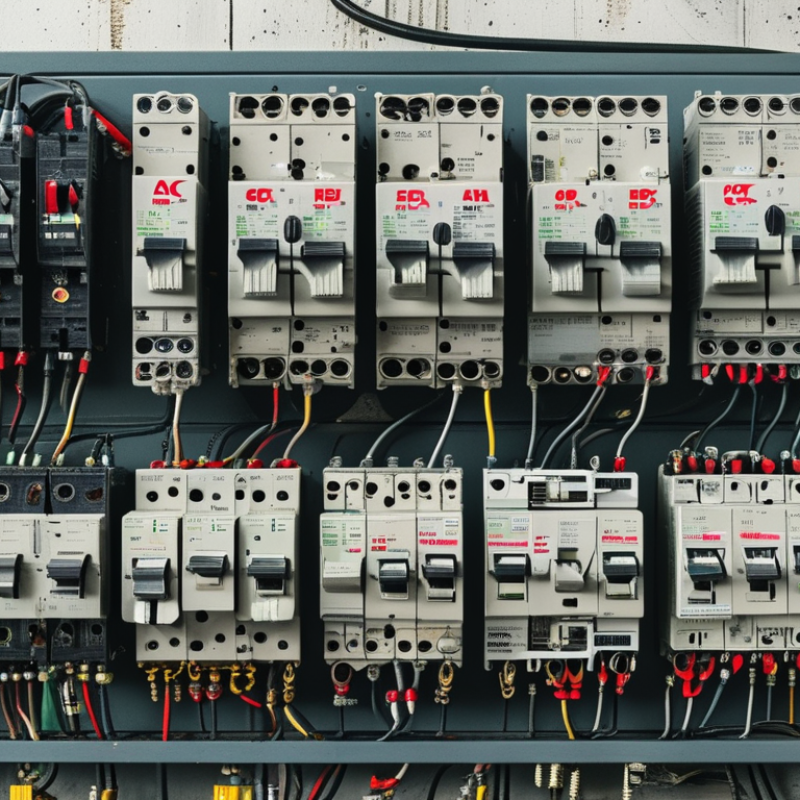
ACB circuits, or Air Circuit Breakers, are essential in protecting electrical systems. They are widely used in industrial applications and commercial buildings. ACB circuits offer reliable protection against overloads and short circuits. Understanding their applications is crucial for making the right choice.
When selecting an ACB circuit, consider the voltage and current ratings. Different settings suit varied environments. For instance, a larger facility may demand higher ratings due to increased load. On the other hand, smaller setups may function well with lower specifications. It's important to evaluate the specific requirements of your system.
Efficiency is another element to weigh when installing ACB circuits. They can help in minimizing energy losses. However, choosing the wrong model may lead to underperformance. Regular maintenance is vital, too. Sometimes, users overlook this aspect and face operational issues. Ultimately, understanding both applications and limitations can optimize the performance of your ACB circuit.
When selecting the appropriate Air Circuit Breaker (ACB) circuit, several key factors must be taken into account. Evaluate the electrical load first. Understanding your specific power requirements helps in choosing the right breaker size. Calculate the peak and continuous load to ensure the ACB can handle your system’s demands effectively. It’s common to underestimate these needs, leading to inadequate protection.
Next, consider the application environment. ACBs are subjected to various environmental conditions. Assess factors like temperature, humidity, and exposure to dust. In commercial settings, for example, higher IP ratings might be necessary to ensure reliability. If unsure, consulting with industry experts can provide clarity.
Finally, look into the features required for your operation. Digital controls, communication capabilities, and protective functions can vary widely. Sometimes, a more advanced ACB may offer better long-term savings through improved efficiency. Remember, it’s crucial to balance initial costs with long-term functionality. These aspects are vital for making informed decisions.
When selecting an ACB (Air Circuit Breaker) circuit, understanding your power requirements is crucial. Different applications demand various specifications. For instance, a manufacturing plant may require more power than a small office. Assessing the total load is essential. It helps in determining the correct current rating you need.
Evaluate your operational environment. Temperature and humidity levels impact performance. High temperatures can lead to circuit malfunction. Also, consider any future expansions in power demand. It's wise to account for potential growth to avoid under-specifying your ACB. Remember, a poorly chosen circuit can result in inefficient operation.
Finally, take time to review technical specifications. Look at the interrupting capacity and operating voltage. Inadequate understanding of these factors can lead to wrong choices. Regular assessments of power needs can prevent issues down the line. Even minor details matter in ACB selection. Each parameter contributes to the overall reliability and efficiency of your circuit system.
When selecting an Air Circuit Breaker (ACB), protection features are critical. Evaluating these features ensures safety and optimal performance. ACBs offer various protection options, like overload, short circuit, and earth fault protection. Understanding these features helps you choose effectively.
Overload protection prevents damage from excessive current. It's vital for high-load circuits. Look for adjustable settings to fine-tune the protection level. Short circuit protection is equally important. It reacts quickly to circuit faults, minimizing damage. Some ACBs include an instantaneous trip feature for rapid response. Earth fault protection detects imbalances and can save lives by cutting off power.
Different ACB models incorporate various levels of these protections. Assess your specific needs to determine which features are essential. Sometimes, ACBs may not meet all your requirements. Testing and evaluating their performance under real conditions can reveal unseen issues. Prioritizing safety and functionality is key when making your choice.
| Protection Feature | Description | Importance Level |
|---|---|---|
| Overcurrent Protection | Prevents damage from excessive current by tripping the circuit. | High |
| Earth Fault Protection | Detects ground faults and disconnects the circuit to prevent shock. | High |
| Short Circuit Protection | Acts quickly to disconnect in the event of a short circuit. | Very High |
| Voltage Protection | Prevents circuit damage due to overvoltage or undervoltage conditions. | Medium |
| Thermal Protection | Monitors temperature to prevent overheating of components. | Medium |
| Phase Failure Protection | Detects loss of one phase and protects the system from failure. | High |
When selecting an ACB circuit, understanding costs and lifespan is crucial. Various options offer different price points. For instance, a basic model may be budget-friendly initially, but its lifespan could be shorter, leading to frequent replacements. Higher-quality units often have more robust components and can last significantly longer. However, the upfront investment is higher.
Considering operating expenses is also vital. Lower-cost ACBs may have higher maintenance costs, creating hidden expenses over time. Conversely, more reliable models could minimize overall costs through better longevity. It's important to evaluate your environment, as factors like humidity and temperature affect performance and lifespan.
As you explore your needs, take your time. The right choice balances upfront costs with long-term reliability. Always ask for detailed specifications and real-world performance data. Reflect on past experiences with equipment failures or successes to inform your decision. Every choice has its trade-offs, so understanding potential drawbacks is essential.
„Thanks to the LUVIR technology, the solder resist process could be switched directly from the previously used mask exposure to direct exposure. As an outstanding digital solution on the market, this technology has been able to demonstrate fast process times and superior quality on our certified conventional ink in production. This allowed us to fully digitize the solder mask process at low cost – without process or ink adjustments. An excellent benefit to our production in Rot am See.“
Ralf Göhringer (Head of Production WE Rot am See)
I would definitely recommend the Limata machine and team for a future company purchase
Michael Greenaway
Compunetics Inc.
“The Limata ldi has been amazing!! Best thing we did was buy this machine”
Richard Brady
GM
Circuitlabs
“Since 2019, we have been running the Limata X1000 LDI system (including LUVIR for solder mask imaging) in daily production as an addition to our current process with film. The machine was capable of properly exposing Taiyo PSR-4000 BN (DI) solder mask types on normal to high-copper boards using a new and unique direct imaging process. The machine operating interface is very user friendly which allowed for a quick technical training curve. The pre-registration processing reduced several seconds of production time at every print. Limata support and service staff is incomparable. They supported our team every step of the way at basically any time of the day or night, with literally, an immediate response time, customizing the software interface to best fit our Operations and needs.
We have exposed more than 8,000 prints since end of October, on various solder mask colors and some resist film panels. Limata, has proven to be very capable and innovative. They are a strong contender in the industry.
We have very much enjoyed this project, and working with the team!
Thank you Limata for the continued support and being a part of our growth.”
Bill Sezate
Vice President, GM
Summit Interconnect
As a replacement to our current contact exposure process with film, the LIMATA X2000 system including LUVIR-Technology was capable of properly exposing non-LDI solder mask types using a direct imaging process. The machine offers cutting edge software with a very intuitive operating interface which allowed for quick technician training curve. The dual drawer system combined with pre-registration processing reduced several seconds of production time at every machine cycle. Limata support and service staff is world class. They added software patches to keep production running at shortest possible response times, customized the software interface to best fit our in-house Operations system, and even wrote a step-by-step machine processing manual. As a result of the project, we have exposed more than 16,000 times on various product types and solder mask brands/colors. Limata, in a very short timeframe as a company, has definitely shown they are truly innovative and will be challenging the industry of direct imaging for the top spot.
Kevin Beattie
Process Engineer
TTM Technologies
Forest Grove Division
