Choosing the right Aluminium Pipe for your needs can be challenging. According to a report by Smith & Associates, the global aluminium pipe market is expected to reach $8 billion by 2025. This growth emphasizes the importance of understanding your specific requirements before making a decision. Industry expert Dr. Emma Lawson states, "Selecting the right aluminium pipe impacts efficiency and cost-effectiveness."
Aluminium pipes are prized for their lightweight nature and resistance to corrosion. With applications ranging from aerospace to construction, the need for high-quality materials is paramount. Inadequate selection can lead to structural failures, which is a risk no industry can afford. Understanding the technical specifications of each pipe type is crucial.
Buyers should consider factors such as pipe diameter, wall thickness, and alloy type. Not all aluminium pipes perform equally under diverse conditions. A poor choice may result in increased maintenance costs or project delays. Reflecting on these aspects can lead to a more informed purchasing decision.
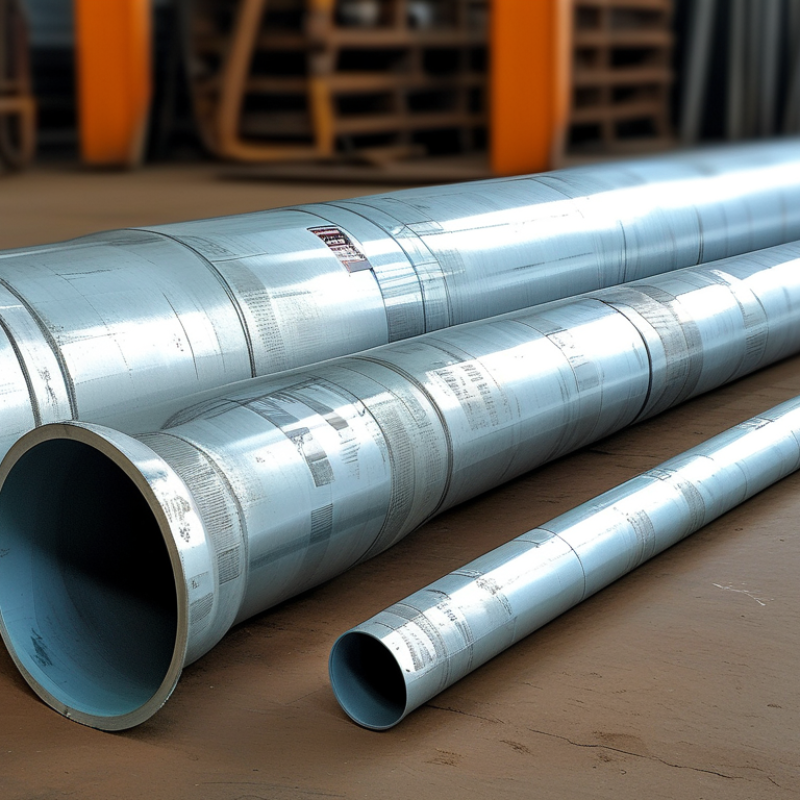
When selecting aluminium pipes, it's essential to understand the types available and their specific applications. Common types include seamless, welded, and extruded pipes. Seamless pipes are ideal for high-pressure applications, while welded pipes are often used for lower-pressure systems. Extruded pipes offer flexibility in shape and design, making them suitable for various projects.
Tips: Always consider the pipe's diameter and wall thickness based on your project requirements. Higher diameters might support increased flow rates. For lightweight applications, thinner walls can suffice, but ensure they meet your strength needs.
Aluminium pipes also vary in grades, such as 6061 and 6063. Each grade has distinct properties affecting corrosion resistance and strength. For outdoor projects, a grade with enhanced corrosion resistance is often preferable.
Tips: Evaluate the environmental conditions the pipes will face. Exposure to moisture and chemicals can dictate your choice of grade. Don't overlook maintenance; even robust materials can fail without proper care.
When selecting an aluminium pipe, start by defining your specific needs. Consider the intended application. Are you using it for structural support, plumbing, or automotive? Each of these uses requires different specifications. For example, a pipe used in plumbing must withstand high pressure. On the other hand, structural pipes may need to be lightweight yet durable.
Examine the environmental factors too. Is the pipe exposed to extreme temperatures or corrosive substances? High-quality aluminium can resist corrosion, but not all grades are suitable for every environment. Think about the diameter and wall thickness you need. A thicker wall can offer more strength, but it also adds weight. Evaluate if that weight is manageable for your project.
It’s crucial to gather information from reliable sources. While experience can guide you, ensure any data you collect comes from authoritative references. Sometimes, what worked for others may not suit your situation. Don’t hesitate to seek professional guidance. Experts can help clarify nuances that may not be immediately obvious.
When choosing the right aluminium pipe for your needs, evaluating pipe thickness, diameter, and weight is crucial. Pipe thickness can directly affect strength and durability. Standard measurement techniques suggest that thicker pipes provide better resistance to corrosion and deformation. According to industry reports, a wall thickness of at least 3mm is optimal for structural integrity in most applications.
Diameter is another key factor. Larger diameters can handle higher flow rates, but they may also add unnecessary weight. A study from the Aluminium Association showed that the optimum diameter balances flow efficiency with weight reduction. Consider what your specific needs are, as mismatched diameters can lead to performance issues.
Tip: Always consider the environment where the pipe will be used. External factors like temperature and weather can impact the material’s performance.
Weight considerations are essential for transport and installation. Aluminium is known for its lightweight nature. However, heavier pipes might be a better fit for certain applications requiring robust support. Not all scenarios can afford heavy-duty options due to handling constraints. A reliable weight-to-strength ratio is necessary.
Tip: Use accurate weight calculations to avoid overloading your framework.
In conclusion, understanding these parameters leads to informed decisions, mitigating risks in performance and safety.
When selecting aluminium pipes, cost is a vital factor. Generally, prices vary based on thickness and alloy type. Thicker pipes tend to be more expensive. Budget-conscious projects may opt for standard options, while high-performance applications require premium grades. Balancing quality and cost is essential for effective use.
Durability is another key consideration. Aluminium pipes are known for their strength-to-weight ratio. Yet, not all pipes offer the same level of resistance to wear. Investigate the specific alloy and treatment used, as these attributes greatly influence longevity. Common challenges like denting and bending should not be overlooked.
Corrosion resistance is crucial, especially in outdoor or chemical applications. Aluminium pipes naturally form an oxide layer, but this can vary by alloy. For severe environments, consider additional coatings or treatments. This added expense might seem high initially, but saving in replacements is significant over time. Always reflect on the long-term implications of your choice.
| Pipe Type | Cost per Foot | Durability Rating | Corrosion Resistance |
|---|---|---|---|
| 6061 Aluminium Pipe | $3.50 | Moderate | Good |
| 6063 Aluminium Pipe | $3.00 | Low | Excellent |
| 2024 Aluminium Pipe | $5.00 | High | Fair |
| 7075 Aluminium Pipe | $7.00 | Very High | Good |
| ALUX 3003 Pipe | $4.50 | Moderate | Very Good |
When choosing the right aluminium pipe, understanding manufacturers and their standards is crucial. Quality certifications can make a significant difference. They ensure that the products meet safety and performance benchmarks. Look for ISO certifications, as they indicate a commitment to quality management and consistent output.
Tips: Always assess a manufacturer's reputation. Consider their experience in the industry. Reach out to others who have used their products. It’s vital to request documentation of their quality certifications. This helps verify their compliance with industry standards.
Additionally, not all aluminium pipes are created equal. Some may not meet your specific needs despite having certifications. It’s essential to evaluate the intended use. For structural applications, look for pipes with higher strength ratings. Consider any environmental factors that may affect the pipe's performance. Think carefully about these details; they impact your project in the long run.
„Thanks to the LUVIR technology, the solder resist process could be switched directly from the previously used mask exposure to direct exposure. As an outstanding digital solution on the market, this technology has been able to demonstrate fast process times and superior quality on our certified conventional ink in production. This allowed us to fully digitize the solder mask process at low cost – without process or ink adjustments. An excellent benefit to our production in Rot am See.“
Ralf Göhringer (Head of Production WE Rot am See)
I would definitely recommend the Limata machine and team for a future company purchase
Michael Greenaway
Compunetics Inc.
“The Limata ldi has been amazing!! Best thing we did was buy this machine”
Richard Brady
GM
Circuitlabs
“Since 2019, we have been running the Limata X1000 LDI system (including LUVIR for solder mask imaging) in daily production as an addition to our current process with film. The machine was capable of properly exposing Taiyo PSR-4000 BN (DI) solder mask types on normal to high-copper boards using a new and unique direct imaging process. The machine operating interface is very user friendly which allowed for a quick technical training curve. The pre-registration processing reduced several seconds of production time at every print. Limata support and service staff is incomparable. They supported our team every step of the way at basically any time of the day or night, with literally, an immediate response time, customizing the software interface to best fit our Operations and needs.
We have exposed more than 8,000 prints since end of October, on various solder mask colors and some resist film panels. Limata, has proven to be very capable and innovative. They are a strong contender in the industry.
We have very much enjoyed this project, and working with the team!
Thank you Limata for the continued support and being a part of our growth.”
Bill Sezate
Vice President, GM
Summit Interconnect
As a replacement to our current contact exposure process with film, the LIMATA X2000 system including LUVIR-Technology was capable of properly exposing non-LDI solder mask types using a direct imaging process. The machine offers cutting edge software with a very intuitive operating interface which allowed for quick technician training curve. The dual drawer system combined with pre-registration processing reduced several seconds of production time at every machine cycle. Limata support and service staff is world class. They added software patches to keep production running at shortest possible response times, customized the software interface to best fit our in-house Operations system, and even wrote a step-by-step machine processing manual. As a result of the project, we have exposed more than 16,000 times on various product types and solder mask brands/colors. Limata, in a very short timeframe as a company, has definitely shown they are truly innovative and will be challenging the industry of direct imaging for the top spot.
Kevin Beattie
Process Engineer
TTM Technologies
Forest Grove Division
