Choosing the right Conveying Device for your business can significantly impact efficiency and productivity. Expert Mark Thompson, a leading authority in the conveying device industry, states, "The right conveying device can streamline processes and enhance workflow." Selecting the appropriate equipment requires an understanding of your specific needs and the available options.
When evaluating conveyor systems, consider your product types and space constraints. Different materials require varying handling methods. For instance, bulk items might need belt conveyors, while packaged goods could be better suited for roller systems. It can be overwhelming to navigate through various features and functions of each conveying device.
In addition, expert advice can often reflect the complexities of making such choices. A common mistake is underestimating capacity requirements, leading to costly inefficiencies. Regularly reassessing your needs helps maintain operational effectiveness. Ultimately, investing time in understanding conveying devices is essential for long-term success.
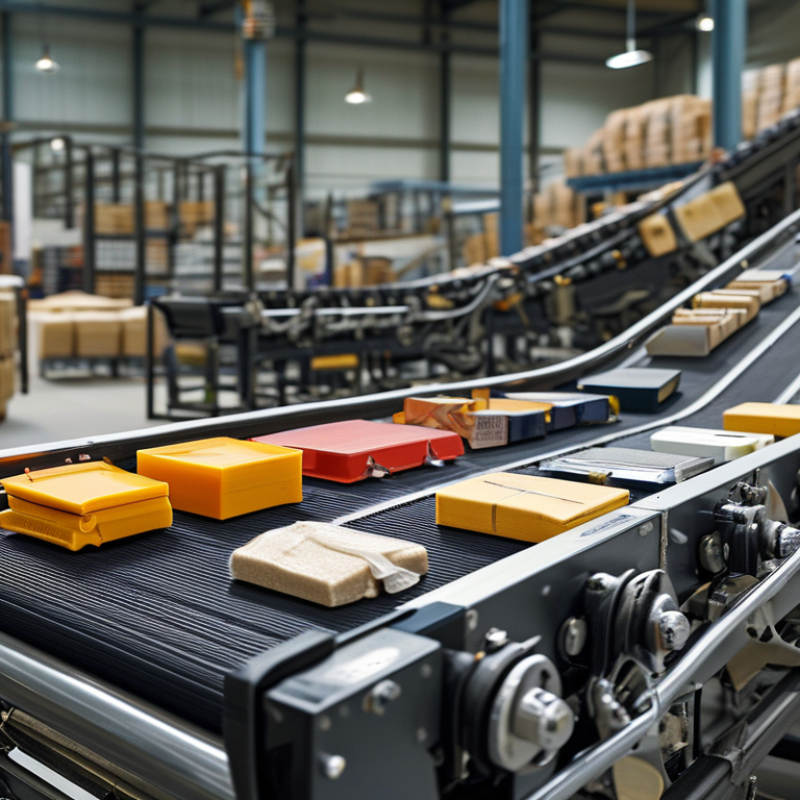
When selecting a conveying device for your business, it's crucial to understand the different types available. Conveyor belts are popular for their versatility. They can move various materials efficiently across different distances. These systems are perfect for assembly lines. But their maintenance can be challenging. Regular inspections are necessary to ensure smooth operations.
Another option is roller conveyors. They allow for easy manual movement of items. This type works well for lighter loads and can be adjusted to different heights. However, they may not be as effective for heavy or bulky items. It's important to weigh the pros and cons based on your specific needs.
Lastly, consider pneumatic conveyors. They transport materials using air pressure. This method is great for bulk items like powders or granules. While they offer a clean solution, setup can be complex. Deciding on the right device may take time and reflection on your business's unique requirements.
Choosing the right conveying device hinges on a clear understanding of your business's needs. Start by assessing the materials you move. Are they heavy, bulky, or fragile? The nature of your products will dictate the type of conveying system you require. A thorough evaluation of your workspace layout is also vital. Are the pathways confined? Consider how this will affect the size and type of conveyor.
Next, think about the volume of materials you handle. Do you require a continuous flow or are your operations intermittent? Each scenario demands different types of equipment. It's essential to also factor in the potential for growth. Will your operations expand in the future? Select a device that can accommodate increased capacity.
Lastly, reflect on maintenance and operational challenges. Even the best systems will need upkeep. Consider your team's ability to perform maintenance. If training is required, weigh the costs versus the benefits. Balancing reliability and performance against complexity is crucial. A device that seems perfect on paper may not fit your practical needs.
| Conveying Device Type | Load Capacity (kg) | Speed (m/s) | Main Application | Energy Efficiency Rating |
|---|---|---|---|---|
| Belt Conveyor | 1500 | 1.5 | Mining, Aggregate | A |
| Screw Conveyor | 800 | 1.2 | Food Processing, Plastics | B |
| Bucket Elevator | 1000 | 2.0 | Grain Handling, Warehousing | A+ |
| Pneumatic Conveyor | 600 | 3.0 | Pharmaceuticals, Chemicals | A |
| Chain Conveyor | 2000 | 1.0 | Automotive, Heavy Industry | B+ |
Choosing the right conveying device hinges significantly on understanding material characteristics. Different materials interact variably with transport mechanisms. For instance, bulk density and particle size can affect flow behavior. According to a report by the International Journal of Material Handling, improper matching can reduce efficiency by up to 30%. This highlights the need for careful assessment.
Compatibility is crucial in ensuring operational efficiency. For example, abrasive materials can wear down equipment faster. On the contrary, fragile materials might require gentle handling to avoid breakage. A study by the Conveyor Equipment Manufacturers Association emphasizes that an ideal device should minimize the risk of damage during transport. Choosing equipment that can handle the specific characteristics of your materials can lead to substantial long-term savings.
Neglecting material compatibility can have severe consequences. It’s easy to overlook details when in a hurry. However, investing time in understanding properties like moisture content or chemical reactivity is essential. These factors can greatly influence the selection process, ensuring that businesses avoid costly mistakes and downtime.
Choosing the right conveying device plays a critical role in operational efficiency. When selecting, consider how smoothly materials will be moved. A mismatch can lead to bottlenecks or slowdowns. Evaluate how often these devices will run. Continuous operations may need more robust systems compared to intermittent uses.
Cost considerations are equally important. Initial purchase costs often overshadow maintenance. A cheaper device might consume more energy or require frequent repairs. It's worth analyzing total costs over time. Sometimes, a higher upfront investment yields lower long-term expenses.
Consider the specific needs of your business carefully. Each industry has unique demands, so one size doesn’t fit all. A conveyor that works well in one sector might not suit another. Engaging with experienced professionals can provide valuable insights. Reflect on past choices as well; sometimes lessons learned are just as crucial as current decisions.
When selecting between manual and automated conveying systems, it's crucial to assess your business's needs. Manual systems offer flexibility. Workers can move materials as needed. However, they can lead to fatigue. This may reduce overall efficiency in high-demand situations.
Automated systems require an upfront investment, but they can significantly streamline operations. These systems work tirelessly and can handle heavier loads. This leads to quicker processing times. However, consider the cost of maintenance. A breakdown can cause delays.
**Tips:** Evaluate your workflow. If tasks are repetitive, automation may save money in the long run. For smaller operations, manual systems could be more economical. Always analyze the training required for staff. Proper training minimizes errors and enhances safety, especially with automated systems.
„Thanks to the LUVIR technology, the solder resist process could be switched directly from the previously used mask exposure to direct exposure. As an outstanding digital solution on the market, this technology has been able to demonstrate fast process times and superior quality on our certified conventional ink in production. This allowed us to fully digitize the solder mask process at low cost – without process or ink adjustments. An excellent benefit to our production in Rot am See.“
Ralf Göhringer (Head of Production WE Rot am See)
I would definitely recommend the Limata machine and team for a future company purchase
Michael Greenaway
Compunetics Inc.
“The Limata ldi has been amazing!! Best thing we did was buy this machine”
Richard Brady
GM
Circuitlabs
“Since 2019, we have been running the Limata X1000 LDI system (including LUVIR for solder mask imaging) in daily production as an addition to our current process with film. The machine was capable of properly exposing Taiyo PSR-4000 BN (DI) solder mask types on normal to high-copper boards using a new and unique direct imaging process. The machine operating interface is very user friendly which allowed for a quick technical training curve. The pre-registration processing reduced several seconds of production time at every print. Limata support and service staff is incomparable. They supported our team every step of the way at basically any time of the day or night, with literally, an immediate response time, customizing the software interface to best fit our Operations and needs.
We have exposed more than 8,000 prints since end of October, on various solder mask colors and some resist film panels. Limata, has proven to be very capable and innovative. They are a strong contender in the industry.
We have very much enjoyed this project, and working with the team!
Thank you Limata for the continued support and being a part of our growth.”
Bill Sezate
Vice President, GM
Summit Interconnect
As a replacement to our current contact exposure process with film, the LIMATA X2000 system including LUVIR-Technology was capable of properly exposing non-LDI solder mask types using a direct imaging process. The machine offers cutting edge software with a very intuitive operating interface which allowed for quick technician training curve. The dual drawer system combined with pre-registration processing reduced several seconds of production time at every machine cycle. Limata support and service staff is world class. They added software patches to keep production running at shortest possible response times, customized the software interface to best fit our in-house Operations system, and even wrote a step-by-step machine processing manual. As a result of the project, we have exposed more than 16,000 times on various product types and solder mask brands/colors. Limata, in a very short timeframe as a company, has definitely shown they are truly innovative and will be challenging the industry of direct imaging for the top spot.
Kevin Beattie
Process Engineer
TTM Technologies
Forest Grove Division
