Choosing the right Junction Cabinet can significantly impact your project’s success. According to industry reports, the market for junction cabinets is expected to grow steadily, driven by rising demand in various sectors. For instance, the global electrical enclosure market is projected to reach $7.2 billion by 2025, with junction cabinets playing a crucial role.
Understanding your specific needs is vital. Junction cabinets come in various sizes, materials, and configurations. For example, selecting an aluminum cabinet might offer durability and corrosion resistance, while a fiberglass option could provide lightweight advantages. These factors can influence both your budget and installation efficiency.
However, not every cabinet fits every situation. It’s essential to consider environmental factors and local regulations. Additionally, seeking guidance from experienced professionals can prevent costly mistakes. Ultimately, choosing the right Junction Cabinet requires careful evaluation of your unique requirements and available options.
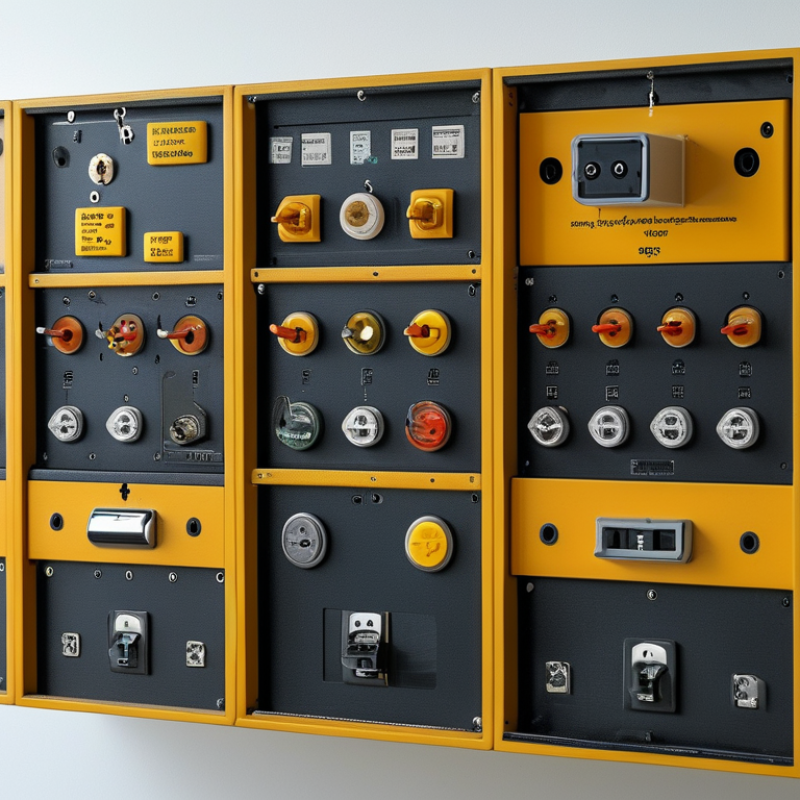
Junction cabinets play a crucial role in managing electrical systems. They house junctions for wiring connections, protecting them from environmental challenges. Understanding the various types of junction cabinets is essential for specific applications in various industries, such as telecommunications and manufacturing.
There are several types of junction cabinets. For instance, outdoor cabinets are designed for harsh weather, while indoor cabinets focus on space-saving and accessibility. According to industry reports, approximately 40% of electrical failures are linked to inadequate enclosure solutions. Selecting the right type can prevent outages and enhance system reliability. Indoor models often offer better insulation, while outdoor variants should have enhanced durability features.
Tips: When choosing a junction cabinet, consider the environment where it will be installed. Ensure it meets local regulations to avoid legal issues. Evaluate the cabinet's capacity and configuration before purchase. Assessing manufacturer specifications can reveal potential weaknesses. A mismatch in size could lead to operational inefficiencies. Ensure proper sealing if the cabinet will be exposed to moisture.
When choosing a junction cabinet, several key factors are vital. First, consider the environment where the cabinet will be installed. For outdoor settings, look for weather-resistant materials. Indoor cabinets may prioritize aesthetics and space efficiency.
Next, evaluate the size and capacity needed. An oversized cabinet can waste space, while a too-small option might limit your needs. It's essential to take accurate measurements of the area.
Tips: Think about future expansions. Will you need more room later? Choose a cabinet that allows for growth.
Also, consider the cooling options; proper ventilation can prevent overheating in high-capacity installations.
Lastly, assess the security features. Cabinets should protect your equipment from theft and tampering. Locks or secure enclosures are essential, especially in public areas. Reflect on these elements to ensure you select a junction cabinet tailored to your specific needs.
When selecting a junction cabinet, environmental conditions play a vital role. Consider temperature extremes, humidity levels, and exposure to elements. Cabinets designed for outdoor use must withstand weather changes. The material should resist corrosion and rust. Stainless steel or powder-coated finishes often provide additional durability.
Assessing the location is also crucial. If the cabinet will be near industrial areas, dust and debris can compromise its integrity. Likewise, vibration from nearby machinery may require added reinforcement. It’s crucial to think about ventilation. Poor airflow can lead to overheating of electrical components. The cabinet design should facilitate effective air circulation.
Sometimes, the right choice isn’t clear. It may require some trial and error. Understanding individual needs helps refine selection. Regular monitoring can uncover hidden issues. Learning from past experiences with environmental failures can guide future purchases. Adaptability will enhance the cabinet's performance in diverse settings.
When choosing a junction cabinet, consider size and capacity. Too small a cabinet can limit functionality. A larger option may be unnecessary and costly. Measure your existing space carefully. Ensure there’s room for expansion. This mindfulness can save time and resources later on.
Evaluate the equipment you plan to house. Count the devices and their sizes. This helps determine the right dimensions. Ensure you include future needs. It’s not just about what you have now. Aim for a balance between current use and future growth. Leaving space for upgrades is essential.
You might find yourself questioning your choices. Is your estimate too conservative? Or overly ambitious? Rethinking these aspects can lead to better decisions. Understand both the practicality and aesthetics. An efficient junction cabinet should be both functional and visually acceptable in its environment.
| Dimension/Capacity | Example Size (L x W x H) | Recommended Capacity (kW) | Typical Applications |
|---|---|---|---|
| Small | 600mm x 600mm x 1200mm | 3-5 kW | Residential, Small Offices |
| Medium | 800mm x 800mm x 1800mm | 10-15 kW | Medium Businesses, Retail |
| Large | 1000mm x 1000mm x 2000mm | 20-30 kW | Data Centers, Large Facilities |
| Extra Large | 1200mm x 1200mm x 2200mm | 35-50 kW | Industrial Applications, High-Density Computing |
When installing and maintaining junction cabinets, careful consideration is essential. Installation often requires specific tools and conditions. The cabinets should be mounted in dry, ventilated areas to prevent moisture build-up. According to industry reports, nearly 30% of equipment failures stem from inadequate ventilation. Ensure the cabinet is anchored securely to avoid shifts or movements that could damage internal components.
Regular maintenance is vital for longevity. A survey by the Electrical and Electronic Institute indicates that 45% of junction cabinet failures occur due to dust accumulation and lack of routine inspections. Cleaning the interior and exterior should be part of the checklist. Check for corrosion or wear on cables and connectors; these are early indicators of potential failures. Using a checklist can help in maintaining a consistent routine. Remember, even small neglects can lead to substantial problems over time. Prioritizing these tasks can enhance performance and extend the life of your junction cabinets.
„Thanks to the LUVIR technology, the solder resist process could be switched directly from the previously used mask exposure to direct exposure. As an outstanding digital solution on the market, this technology has been able to demonstrate fast process times and superior quality on our certified conventional ink in production. This allowed us to fully digitize the solder mask process at low cost – without process or ink adjustments. An excellent benefit to our production in Rot am See.“
Ralf Göhringer (Head of Production WE Rot am See)
I would definitely recommend the Limata machine and team for a future company purchase
Michael Greenaway
Compunetics Inc.
“The Limata ldi has been amazing!! Best thing we did was buy this machine”
Richard Brady
GM
Circuitlabs
“Since 2019, we have been running the Limata X1000 LDI system (including LUVIR for solder mask imaging) in daily production as an addition to our current process with film. The machine was capable of properly exposing Taiyo PSR-4000 BN (DI) solder mask types on normal to high-copper boards using a new and unique direct imaging process. The machine operating interface is very user friendly which allowed for a quick technical training curve. The pre-registration processing reduced several seconds of production time at every print. Limata support and service staff is incomparable. They supported our team every step of the way at basically any time of the day or night, with literally, an immediate response time, customizing the software interface to best fit our Operations and needs.
We have exposed more than 8,000 prints since end of October, on various solder mask colors and some resist film panels. Limata, has proven to be very capable and innovative. They are a strong contender in the industry.
We have very much enjoyed this project, and working with the team!
Thank you Limata for the continued support and being a part of our growth.”
Bill Sezate
Vice President, GM
Summit Interconnect
As a replacement to our current contact exposure process with film, the LIMATA X2000 system including LUVIR-Technology was capable of properly exposing non-LDI solder mask types using a direct imaging process. The machine offers cutting edge software with a very intuitive operating interface which allowed for quick technician training curve. The dual drawer system combined with pre-registration processing reduced several seconds of production time at every machine cycle. Limata support and service staff is world class. They added software patches to keep production running at shortest possible response times, customized the software interface to best fit our in-house Operations system, and even wrote a step-by-step machine processing manual. As a result of the project, we have exposed more than 16,000 times on various product types and solder mask brands/colors. Limata, in a very short timeframe as a company, has definitely shown they are truly innovative and will be challenging the industry of direct imaging for the top spot.
Kevin Beattie
Process Engineer
TTM Technologies
Forest Grove Division
