Choosing the right TFT LCD screen is a crucial decision for various applications. According to Michael Chen, an expert in display technologies, "Selecting the appropriate TFT LCD screen can significantly impact user experience." His insight underscores the importance of understanding your specific needs.
When considering a TFT LCD screen, you must assess a few factors. These include resolution, size, and brightness. Each factor can determine how effectively the screen meets your requirements. If you choose a screen with too low a resolution, details can suffer. Too small a size may lead to poor readability, especially for intricate details.
Also, reflect on the intended use. Will it be for gaming, medical applications, or outdoor displays? Different scenarios demand different specifications. While many options exist, the choices can be overwhelming. Always keep in mind that not every screen will be ideal for your situation.
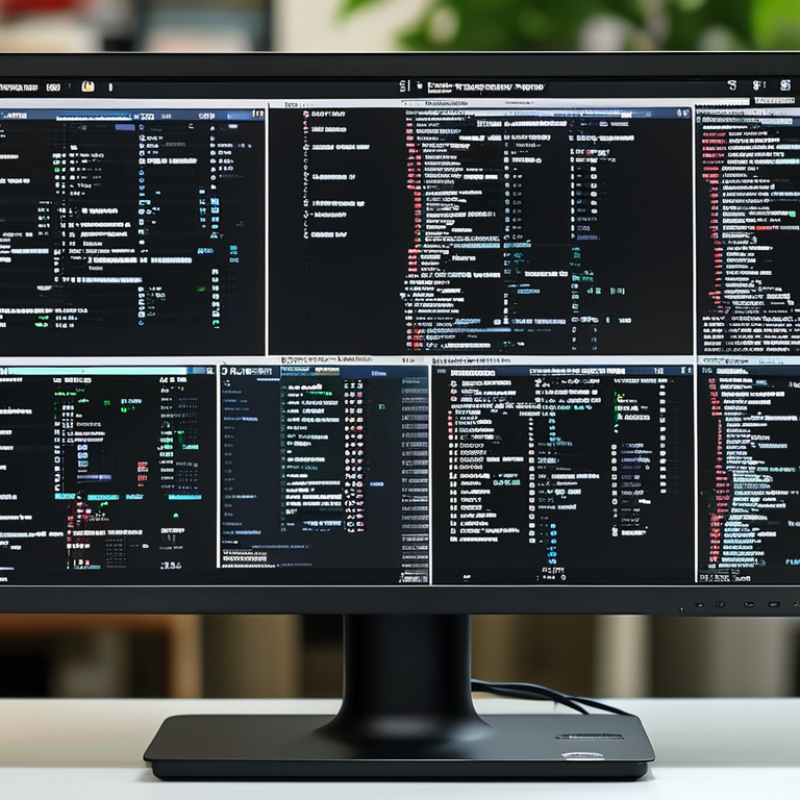
Understanding TFT LCD technology is essential for making informed choices. Thin-film transistors enable these screens to deliver vibrant colors and fast response times. They are prevalent in various devices, from smartphones to televisions. One of the key benefits of TFT LCD screens is their ability to produce high-resolution images. This makes them ideal for applications requiring detail, like graphic design or gaming.
TFT LCD screens have some drawbacks worth considering. While they offer excellent visuals, their viewing angles can be limited. Colors may appear washed out when viewed from the side. Additionally, improper handling can lead to screen damage, like dead pixels. Regular maintenance helps prolong their lifespan and performance.
When choosing a TFT LCD screen, think about your specific needs. Do you require high color accuracy for professional work? Or will casual use suffice? Assessing your primary usage can make a big difference. Ultimately, being aware of both pros and cons allows for a balanced decision-making process.
When selecting a TFT LCD screen, several key factors come into play. First, consider the resolution. High resolution improves image clarity. Whether you need Full HD or higher depends on your application. For gaming or graphic design, a higher pixel density is ideal. Color accuracy is equally important. Look for screens with a wide color gamut. It enhances the visual experience significantly.
Another factor to weigh is the screen size. A larger display offers better visibility but takes up more space. Balancing size and resolution is crucial. Think about the environment where you will use the screen. Brightness and contrast ratio are also essential. These attributes affect readability in various lighting conditions. A bright screen with high contrast works well in well-lit areas.
Lastly, durability shouldn't be overlooked. TFT LCD screens can be fragile. Investing in a robust screen can save you from future losses. Reflecting on your specific needs will guide your choice. Have a clear understanding of your usage patterns. This reflection will lead to better decision-making.
Choosing the right TFT LCD screen for your application hinges significantly on understanding screen size and resolution. Size impacts not only the viewing experience but also usability. A larger screen enhances visibility, yet it can limit portability. Consider the space where the screen will be used. If it’s confined, a smaller size may be more practical. An optimal size also depends on how far users will typically be from the screen.
Resolution is equally crucial. Higher resolution provides clearer images and finer details. For instance, a resolution of 1920x1080 is suitable for most applications, while specialized uses may require even greater clarity. Determine the visual tasks you expect your screen to perform. If your application involves detailed graphics or text, prioritize higher resolutions. Conversely, for basic tasks, lower resolutions might suffice.
Tips: Always evaluate how the screen will be viewed. Conduct tests with various sizes and resolutions in actual use cases. Gather feedback from users to refine your choice. Check if an adjustment in brightness is necessary for ambient lighting conditions. Overall, your selection should balance clarity, comfort, and the specific needs of your project.
This chart represents the total pixel resolution of various TFT LCD screen sizes. As you can see, larger screens generally have higher resolutions, which is a crucial factor to consider when choosing a display for your specific application.
When choosing a TFT LCD screen, understanding the types available is essential. There are several common types: TN, IPS, and VA. Each type has unique characteristics that cater to different needs. TN screens are often favored for their fast response times. They perform well in gaming but have limited viewing angles. This can be a drawback for collaborative work.
On the other hand, IPS displays offer wider viewing angles and better color reproduction. They're ideal for graphic design or photo editing, where color accuracy is crucial. However, IPS panels tend to be more expensive. VA screens usually provide higher contrast ratios, making them suitable for media consumption. Yet, they can struggle with motion blur in fast-paced scenes.
It's crucial to reflect on your specific requirements before making a decision. Factors such as your primary use case, budget, and space will influence your choice. Not everyone needs an IPS for casual browsing. Understanding these details becomes more significant when selecting the right screen. The right TFT LCD screen can enhance your experience, but the wrong choice may lead to frustration. Taking time to compare these features will go a long way.
| Screen Type | Resolution | Screen Size | Response Time | Viewing Angle | Average Price |
|---|---|---|---|---|---|
| TN (Twisted Nematic) | 1280 x 1024 | 15 inch | 5 ms | 160° | $80 |
| IPS (In-Plane Switching) | 1920 x 1080 | 24 inch | 4 ms | 178° | $150 |
| VA (Vertical Alignment) | 2560 x 1440 | 27 inch | 6 ms | 178° | $200 |
| OLED (Organic Light Emitting Diode) | 3840 x 2160 | 32 inch | 1 ms | 180° | $800 |
When selecting a TFT LCD screen, budget and performance matter significantly. Research indicates that around 60% of buyers prioritize these factors. A study by the Display Research Group shows that the average price range for TFT LCD screens is between $30 and $300, depending on resolution and size. Understanding your specific needs can help you decide where to invest.
Performance metrics include brightness, contrast ratio, and response time. A screen with low response time often improves visual quality, especially in fast-moving applications. According to industry standards, a response time under 5 ms is considered optimal for gaming and video. It's important to weigh these specifications against your budget. High-end screens may offer better performance but can strain financial limits.
Not every buyer requires premium specifications. Assessing your usage context is essential. If the screen is for basic tasks, lower-priced options may suffice. Yet, investing more upfront might yield better longevity and functionality. Always reflect on how often various features will be used. Balancing budget with performance requirements is key to making a wise choice.
„Thanks to the LUVIR technology, the solder resist process could be switched directly from the previously used mask exposure to direct exposure. As an outstanding digital solution on the market, this technology has been able to demonstrate fast process times and superior quality on our certified conventional ink in production. This allowed us to fully digitize the solder mask process at low cost – without process or ink adjustments. An excellent benefit to our production in Rot am See.“
Ralf Göhringer (Head of Production WE Rot am See)
I would definitely recommend the Limata machine and team for a future company purchase
Michael Greenaway
Compunetics Inc.
“The Limata ldi has been amazing!! Best thing we did was buy this machine”
Richard Brady
GM
Circuitlabs
“Since 2019, we have been running the Limata X1000 LDI system (including LUVIR for solder mask imaging) in daily production as an addition to our current process with film. The machine was capable of properly exposing Taiyo PSR-4000 BN (DI) solder mask types on normal to high-copper boards using a new and unique direct imaging process. The machine operating interface is very user friendly which allowed for a quick technical training curve. The pre-registration processing reduced several seconds of production time at every print. Limata support and service staff is incomparable. They supported our team every step of the way at basically any time of the day or night, with literally, an immediate response time, customizing the software interface to best fit our Operations and needs.
We have exposed more than 8,000 prints since end of October, on various solder mask colors and some resist film panels. Limata, has proven to be very capable and innovative. They are a strong contender in the industry.
We have very much enjoyed this project, and working with the team!
Thank you Limata for the continued support and being a part of our growth.”
Bill Sezate
Vice President, GM
Summit Interconnect
As a replacement to our current contact exposure process with film, the LIMATA X2000 system including LUVIR-Technology was capable of properly exposing non-LDI solder mask types using a direct imaging process. The machine offers cutting edge software with a very intuitive operating interface which allowed for quick technician training curve. The dual drawer system combined with pre-registration processing reduced several seconds of production time at every machine cycle. Limata support and service staff is world class. They added software patches to keep production running at shortest possible response times, customized the software interface to best fit our in-house Operations system, and even wrote a step-by-step machine processing manual. As a result of the project, we have exposed more than 16,000 times on various product types and solder mask brands/colors. Limata, in a very short timeframe as a company, has definitely shown they are truly innovative and will be challenging the industry of direct imaging for the top spot.
Kevin Beattie
Process Engineer
TTM Technologies
Forest Grove Division
