Choosing the right Warehouse Metal Doors can significantly impact your facility's efficiency and security. These doors are vital for warehouses, where durability and reliability are essential. Selecting the appropriate type may seem straightforward, but many factors come into play.
Consider the size and weight of the doors. Heavy-duty options may be necessary for high-traffic areas. On the other hand, lighter choices could suffice for smaller openings. Assessing the unique climate challenges of your location is also crucial. For instance, extreme temperatures may require insulated doors.
The aesthetics of Warehouse Metal Doors matter, too. An appealing design can enhance the overall look of your facility. However, compromising functionality for style can lead to future regrets. It’s essential to find a balance between aesthetics and practicality. This decision process might feel overwhelming, yet it's crucial for your warehouse's long-term success.
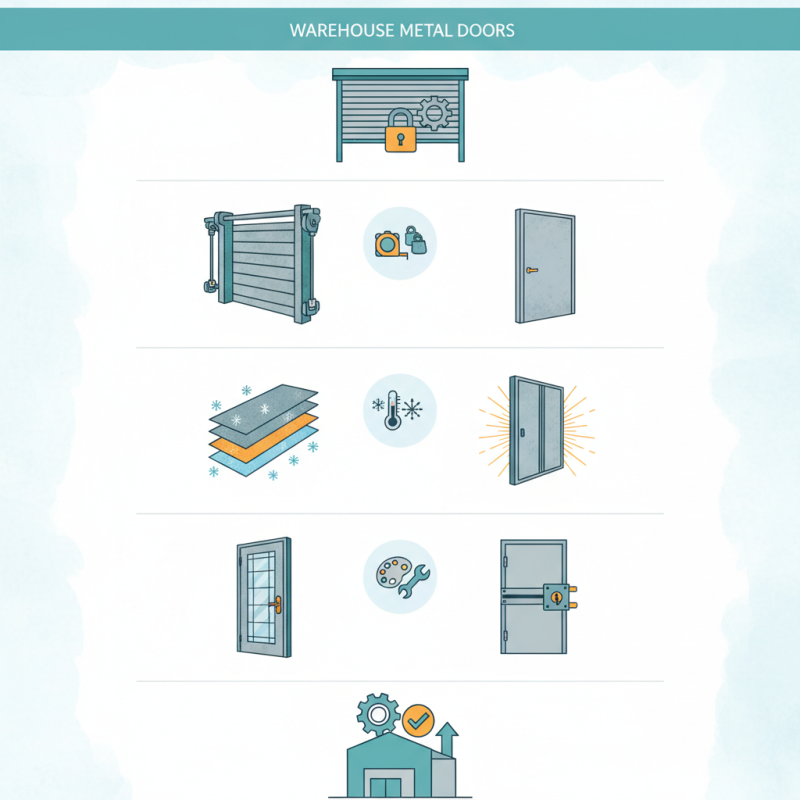
Warehouse metal doors are crucial for security and functionality. They protect against theft, pests, and harsh weather. Selecting the right door can enhance safety and improve operational efficiency.
Consider the door material and design. Steel is popular for its durability. Aluminum is lightweight and resist rust. The design should match your warehouse's needs. Is it for heavy traffic or a secure entry point? Weighing these factors will help narrow your choices.
**Tips**: Always inspect the locking mechanism. A strong lock increases security. Think about insulation if temperature control is vital. Well-insulated doors save energy. Lastly, remember the installation process. Poor installation can lead to many problems.
When selecting warehouse metal doors, several factors come into play. The type of metal is crucial. Steel doors are popular due to their durability. They can withstand high traffic and harsh environments. According to recent industry reports, about 70% of warehouses prefer steel doors for their strong security features. This can significantly reduce theft and damage.
Another important factor is insulation. Many warehouses require temperature control for specific goods. Insulated metal doors can help maintain internal temperatures. Reports show that insulated doors improve energy efficiency by up to 30%. This impact can lead to substantial savings on energy costs over time. In contrast, non-insulated doors may lead to higher heating or cooling expenses.
Aesthetic appeal should not be overlooked. While functionality is essential, the look of a warehouse has its importance. A well-designed door can enhance company image. However, not all metal doors match well with every architectural style. Finding a balance between appearance and utility can be tricky. It often requires reassessment of needs and design expectations.
When choosing warehouse metal doors, understanding the different types is crucial. Steel doors are popular for their strength. They resist impact and provide security. These doors are ideal for loading docks and high-traffic areas. They protect against extreme weather as well.
Aluminum doors are lighter. They are great for areas needing frequent access. Aluminum resists corrosion well, making it ideal for humid environments. Consider insulated metal doors if temperature control matters. They are perfect for storing sensitive materials.
Tips: Always evaluate the traffic flow in your warehouse. High traffic may require heavier doors. Take note of the area’s environmental conditions. Humidity can affect the door’s longevity. Choose finishes that can withstand daily wear. Reflect on your current needs versus future demands. Consider flexibility; needs may change over time.
| Door Type | Material | Insulation | Security Features | Applications |
|---|---|---|---|---|
| Single-Swing Door | Steel | Yes | Basic Locking Mechanism | General Warehouse Access |
| Double-Swing Door | Galvanized Steel | Yes | High-Security Locks | Loading Docks |
| Roll-Up Door | Aluminum | No | Manual or Electric Operation | High Traffic Areas |
| Sliding Door | Steel / Composite | Yes | Security Alarm System | Freight Facilities |
| Fire-Rated Door | Steel | Yes | Fire Resistant Locks | Fire Exits and Safety Zones |
When choosing warehouse metal doors, quality and durability stand out as key features. According to industry reports, high-quality metal doors can last up to 30 years with proper maintenance. This longevity not only saves money over time but also enhances security. Opting for doors with a robust steel core can significantly improve their resistance against impacts and wear.
Tips: Always verify the gauge of the steel. A thicker gauge typically means better durability. Look for corrosion-resistant coatings as well. This feature extends the lifespan, especially in humid environments.
Consider the door’s insulation properties, too. Insulated metal doors can reduce energy costs and maintain temperature control. The right insulation can save up to 20% on energy bills annually. However, not all insulated options are equal. Testing for R-value is crucial to ensure effectiveness.
While aesthetics matter, they should not compromise functionality. A visually pleasing door is pointless if it lacks strength. Many decisions are made based on appearances, but practicality should lead the way. Prioritize features that align with your specific needs, and don’t hesitate to challenge conventional choices.
Cost considerations are crucial when selecting warehouse metal doors. The average cost can range from $600 to $3,000 per door, influenced by factors like size, material, and security features. According to a recent report from the Metal Building Manufacturers Association, businesses often overlook the long-term savings associated with high-quality doors. Investing in durable options can reduce maintenance costs and improve energy efficiency.
Budgeting also plays a key role. Companies should allocate at least 10-15% of their renovation budget to doors. This ensures they do not compromise on quality for lower upfront costs. A well-researched budget helps avoid hidden expenses later. For example, a cheaper door might need repairs within a few years, negating initial savings.
Consider installation costs, too. Professional installation might add another $200 to $800, depending on complexity. A report from Industry Insights indicates that total costs can escalate if measurements or specifications are incorrect. It's essential to factor all these details into your decision-making process. Making room for contingencies can help in dealing with unforeseen issues.
„Thanks to the LUVIR technology, the solder resist process could be switched directly from the previously used mask exposure to direct exposure. As an outstanding digital solution on the market, this technology has been able to demonstrate fast process times and superior quality on our certified conventional ink in production. This allowed us to fully digitize the solder mask process at low cost – without process or ink adjustments. An excellent benefit to our production in Rot am See.“
Ralf Göhringer (Head of Production WE Rot am See)
I would definitely recommend the Limata machine and team for a future company purchase
Michael Greenaway
Compunetics Inc.
“The Limata ldi has been amazing!! Best thing we did was buy this machine”
Richard Brady
GM
Circuitlabs
“Since 2019, we have been running the Limata X1000 LDI system (including LUVIR for solder mask imaging) in daily production as an addition to our current process with film. The machine was capable of properly exposing Taiyo PSR-4000 BN (DI) solder mask types on normal to high-copper boards using a new and unique direct imaging process. The machine operating interface is very user friendly which allowed for a quick technical training curve. The pre-registration processing reduced several seconds of production time at every print. Limata support and service staff is incomparable. They supported our team every step of the way at basically any time of the day or night, with literally, an immediate response time, customizing the software interface to best fit our Operations and needs.
We have exposed more than 8,000 prints since end of October, on various solder mask colors and some resist film panels. Limata, has proven to be very capable and innovative. They are a strong contender in the industry.
We have very much enjoyed this project, and working with the team!
Thank you Limata for the continued support and being a part of our growth.”
Bill Sezate
Vice President, GM
Summit Interconnect
As a replacement to our current contact exposure process with film, the LIMATA X2000 system including LUVIR-Technology was capable of properly exposing non-LDI solder mask types using a direct imaging process. The machine offers cutting edge software with a very intuitive operating interface which allowed for quick technician training curve. The dual drawer system combined with pre-registration processing reduced several seconds of production time at every machine cycle. Limata support and service staff is world class. They added software patches to keep production running at shortest possible response times, customized the software interface to best fit our in-house Operations system, and even wrote a step-by-step machine processing manual. As a result of the project, we have exposed more than 16,000 times on various product types and solder mask brands/colors. Limata, in a very short timeframe as a company, has definitely shown they are truly innovative and will be challenging the industry of direct imaging for the top spot.
Kevin Beattie
Process Engineer
TTM Technologies
Forest Grove Division
