The global market for Coil Making Lines is witnessing remarkable growth. According to a recent industry report, the demand for high-quality coils is projected to rise by 5% annually. As businesses strive to enhance production efficiency, advanced coil making line solutions have become crucial. These solutions cater to various sectors, including automotive, construction, and electronics.
Many manufacturers face challenges in optimizing their coil production. Factors such as equipment reliability, material quality, and operational costs greatly impact productivity. Investing in state-of-the-art coil making line technology is essential. It can help businesses increase output while reducing waste. The right choice of equipment not only improves efficiency but also ensures compliance with industry standards.
Furthermore, buyers must remain vigilant about selecting suppliers. Not all coil making lines are created equal. A thorough evaluation of technical specifications and performance metrics is necessary. Companies should consider potential long-term partnerships with reputable providers. Access to expert advice can lead to better investment decisions. Ultimately, understanding the intricacies of coil making lines can drive success in a competitive market.
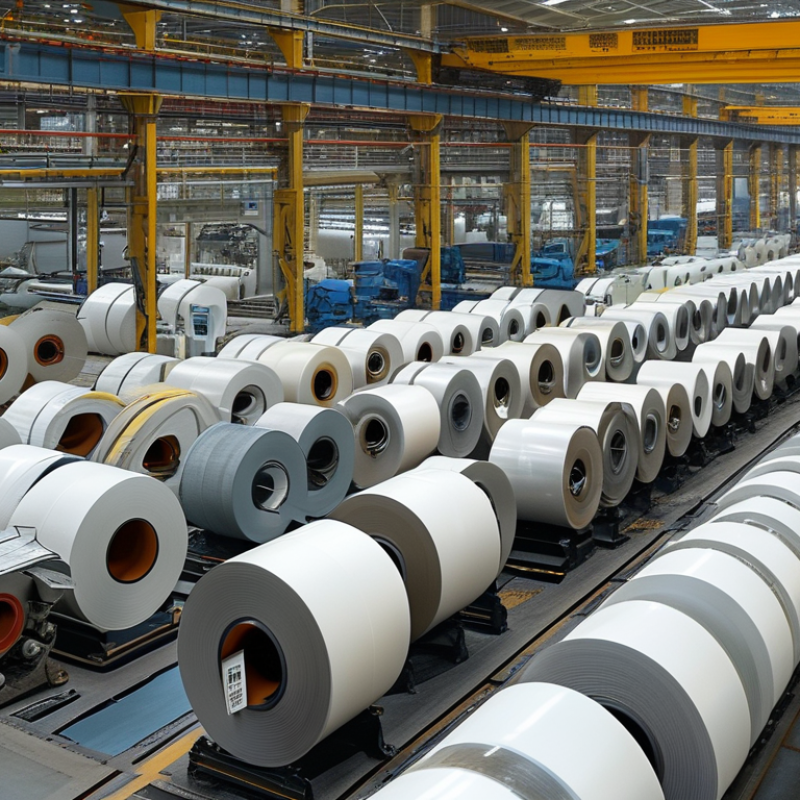
Coil making line technologies have evolved significantly, catering to the growing demands of the global market. Current reports from industry experts indicate that the global coil processing market is expected to reach $15 billion by 2025. This growth stems largely from the rising demand for lightweight and high-strength materials across various industries, including automotive and construction.
The automation of coil making lines has become a crucial factor. Advanced technologies, such as servo drives and AI-driven control systems, enhance precision and efficiency. For instance, a study highlighted that fully automated lines can increase production speed by 30% and reduce scrap rates. However, this shift toward automation poses challenges. Integrating new technologies with legacy systems often leads to compatibility issues, which can slow down implementation.
Another significant aspect is the need for sustainability. Many manufacturers are adopting eco-friendly practices and equipment. Reports suggest that implementing energy-efficient technologies can reduce overall energy consumption by up to 20%. Nevertheless, achieving sustainability goals requires ongoing investment and innovation. The industry must strike a balance between immediate production needs and long-term environmental responsibilities.
When selecting coil making equipment, consider key features that influence production efficiency. The design should facilitate both automated and manual operations. This duality enhances flexibility, accommodating various production demands. Look for systems that offer seamless integration with existing metal processing equipment. This compatibility can streamline workflow and reduce downtime.
Another critical element is the material handling capability. Look for equipment that can efficiently manage different coil sizes and weights. A robust coil handling system minimizes the risk of damage during transport. Additionally, consider the speed and precision of the cutting and forming processes. Faster, more accurate operations can significantly boost overall productivity.
Energy efficiency also plays an essential role. Equipment that maximizes energy use reduces operational costs over time. However, balancing speed and energy consumption poses a challenge. It's crucial to assess whether the equipment meets the intended production volume while maintaining sustainability. Regular maintenance schedules further enhance reliability but require careful planning and investment from buyers.
The global coil making line market is witnessing a surge in demand due to the expansion of manufacturing sectors across various industries. According to a report from MarketsandMarkets, the coil processing equipment market is projected to grow from $4.2 billion in 2020 to $5.8 billion by 2025, driven by advancements in automation and technology. This growth underscores the importance of choosing the right provider. A comparative analysis of global coil making line providers reveals significant differences in technology and market reach.
One notable aspect is the level of automation incorporated into coil making lines. Advanced systems that integrate artificial intelligence and machine learning can optimize production. Data from ResearchAndMarkets indicates that automated lines can enhance efficiency by up to 30%. However, not all providers offer these state-of-the-art solutions. Some continue to rely on older technologies, which may struggle to meet the demands of modern supply chains. This discrepancy presents a challenge for buyers who seek improved performance.
Another critical factor is after-sales service and support. Many manufacturers claim to provide comprehensive service, but client testimonials often reveal gaps in support. A reliable provider should not only help with installation but also offer ongoing maintenance and training. As the industry evolves, understanding these nuances can equip buyers with the knowledge they need to make informed decisions.
Coil line implementations have become vital in the manufacturing industry. One exemplary case involved a company that upgraded its entire coil production process. They faced several challenges, including outdated machinery and high maintenance costs. After investing in advanced technology, they saw a 30% increase in efficiency. This transformation highlighted the importance of staying current with industry trends.
Another case focused on a manufacturer that sought to enhance product quality. They integrated precision control systems into their coil line. This shift led to fewer defects and reduced waste. Employees noted a significant improvement in workflow. However, they struggled initially with the new technology, requiring extensive training sessions. These experiences underscored the balance between innovation and operational adaptation.
A different example involved a company that decided to streamline its supply chain. By reorganizing their coil line layout, they reduced lead times drastically. The production staff noted an improvement in communication and collaboration. Nevertheless, some team members expressed frustration with the change. Implementing new processes can create challenges that demand ongoing attention and reflection.
Emerging trends in coil making technology are redefining the landscape for manufacturers. According to a recent report by Global Industry Analysts, the global coil coating market is projected to reach $3 billion by 2026. This growth highlights the increasing demand for high-quality coil products across various industries, including automotive and construction.
A significant trend is the integration of automation in manufacturing. Automated lines decrease production times and enhance quality control. Reports indicate that automation can improve efficiency by up to 40%. However, manufacturers often face challenges in selecting the right technology. Balancing initial investment cost with long-term benefits remains a critical consideration.
Sustainability is another key focus. As regulatory pressures increase, many companies are seeking eco-friendly materials and processes. The International Energy Agency suggests that energy-efficient practices in coil production can reduce energy consumption by 30%. Despite advancements, not all manufacturers have adopted these sustainable practices. Reflecting on this gap is essential for future growth.
| Feature | Description | Future Trend |
|---|---|---|
| Automation | Integration of robotic systems for enhanced efficiency. | Increased adoption of AI and machine learning for predictive maintenance. |
| Energy Efficiency | Use of energy-efficient motors and drives. | Transition to renewable energy sources and improved energy recovery systems. |
| Customization | Flexible manufacturing systems to accommodate various coil specifications. | Greater demand for personalized production lines tailored to market needs. |
| Data Analytics | Utilization of data for real-time monitoring and control of processes. | Enhanced data integration for smarter decision-making. |
| Quality Control | Advanced inspection systems for defect detection. | Automation of quality assurance processes with real-time feedback loops. |
„Thanks to the LUVIR technology, the solder resist process could be switched directly from the previously used mask exposure to direct exposure. As an outstanding digital solution on the market, this technology has been able to demonstrate fast process times and superior quality on our certified conventional ink in production. This allowed us to fully digitize the solder mask process at low cost – without process or ink adjustments. An excellent benefit to our production in Rot am See.“
Ralf Göhringer (Head of Production WE Rot am See)
I would definitely recommend the Limata machine and team for a future company purchase
Michael Greenaway
Compunetics Inc.
“The Limata ldi has been amazing!! Best thing we did was buy this machine”
Richard Brady
GM
Circuitlabs
“Since 2019, we have been running the Limata X1000 LDI system (including LUVIR for solder mask imaging) in daily production as an addition to our current process with film. The machine was capable of properly exposing Taiyo PSR-4000 BN (DI) solder mask types on normal to high-copper boards using a new and unique direct imaging process. The machine operating interface is very user friendly which allowed for a quick technical training curve. The pre-registration processing reduced several seconds of production time at every print. Limata support and service staff is incomparable. They supported our team every step of the way at basically any time of the day or night, with literally, an immediate response time, customizing the software interface to best fit our Operations and needs.
We have exposed more than 8,000 prints since end of October, on various solder mask colors and some resist film panels. Limata, has proven to be very capable and innovative. They are a strong contender in the industry.
We have very much enjoyed this project, and working with the team!
Thank you Limata for the continued support and being a part of our growth.”
Bill Sezate
Vice President, GM
Summit Interconnect
As a replacement to our current contact exposure process with film, the LIMATA X2000 system including LUVIR-Technology was capable of properly exposing non-LDI solder mask types using a direct imaging process. The machine offers cutting edge software with a very intuitive operating interface which allowed for quick technician training curve. The dual drawer system combined with pre-registration processing reduced several seconds of production time at every machine cycle. Limata support and service staff is world class. They added software patches to keep production running at shortest possible response times, customized the software interface to best fit our in-house Operations system, and even wrote a step-by-step machine processing manual. As a result of the project, we have exposed more than 16,000 times on various product types and solder mask brands/colors. Limata, in a very short timeframe as a company, has definitely shown they are truly innovative and will be challenging the industry of direct imaging for the top spot.
Kevin Beattie
Process Engineer
TTM Technologies
Forest Grove Division
