Choosing the right material for your outdoor space is crucial. Composite Decking has increasingly become popular over traditional wood materials. According to a report by the North American Deck and Railing Association, 30% of new decks installed are made from composite materials. This shift highlights homeowners' trust in the durability and sustainability of composite decking.
Composite decking offers a unique blend of aesthetics and functionality. It resists splintering, fading, and requires minimal maintenance. Studies show that 50% of homeowners prefer composite decking for its longevity and environmental benefits. However, some users report challenges with installation and cost. These factors can lead to hesitation before making a decision.
In a market saturated with options, understanding the benefits and drawbacks becomes essential. Composite decking can elevate your outdoor experience, yet it demands a thoughtful evaluation. By weighing the pros and cons, you ensure a rewarding investment for your home.
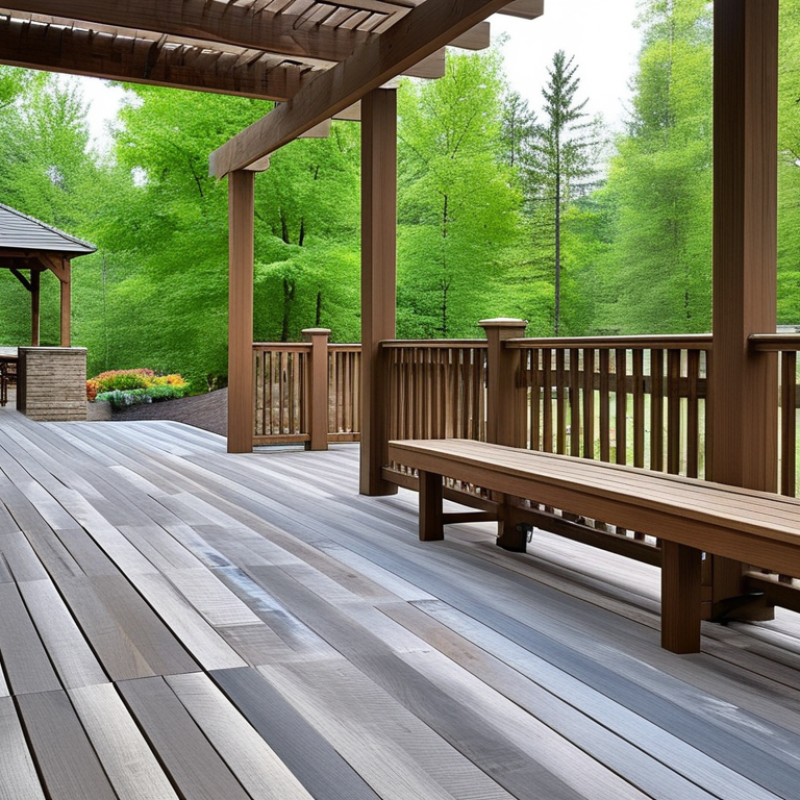
Composite decking offers significant advantages over traditional materials like wood. A report by the Freedonia Group indicates that the demand for composite decking will grow by 8.4% annually through 2024, driven by its durability and lower maintenance costs. Homeowners prefer composite materials because they resist fading, staining, and warping. Unlike wood, which requires regular sealing and painting, composite materials maintain their look with minimal effort.
Moreover, composite decking is environmentally friendly. Many composite boards are made from recycled materials, reducing waste significantly. According to a study from the American Society of Landscape Architects, using recycled materials is an attractive feature for 69% of homeowners. Additionally, composite decking can last over 25 years, reducing the frequency of replacement. This lifespan contributes to long-term cost savings, making it financially smart.
However, some consumers are hesitant. The initial investment in composite decking can be higher than wood. Many worry about its appearance and whether it can match natural wood's warmth. While these concerns are valid, technological advancements are constantly improving the aesthetics of composite designs. The balance between initial cost and longevity is essential for decision-makers. Understanding this trade-off helps homeowners make more informed choices.
Composite decking has gained popularity for outdoor spaces, particularly for its durability and longevity. One significant advantage is its resistance to weather elements. Unlike traditional wood, composite materials do not warp or splinter. They can endure heavy rain, extreme heat, and even snow without suffering damage. This durability means less time spent on maintenance and more time enjoying your outdoor area.
When choosing composite decking, consider the environmental conditions in your region. For instance, areas with high humidity may require specific materials to prevent mold growth. Regular cleaning with mild soap and water will help maintain the appearance. It appears simple but can make a real difference in longevity.
Think about the design as well. Composite decking comes in various styles and colors, allowing you to create a personalized outdoor look. Mixing textures and colors can enhance visual appeal. Reflection on how each choice affects the overall space can lead to a more satisfying result. Balancing style with practicality will ensure your decking remains beautiful and functional for years to come.
| Feature | Composite Decking | Traditional Wood Decking |
|---|---|---|
| Durability | Highly resistant to moisture, mold, and termites. | Susceptible to rot, insects, and environmental damage. |
| Lifespan | 25-30 years or more with proper maintenance. | 10-15 years, may require more frequent replacement. |
| Maintenance | Low maintenance; occasional cleaning required. | High maintenance; regular sealing, staining, and cleaning needed. |
| Environmental Impact | Made from recycled materials, eco-friendly. | Sourced from timber; deforestation concerns. |
| Fade Resistance | Colors remain vibrant over time; UV resistant. | Prone to fading and discoloration from sun exposure. |
| Cost | Higher upfront cost but lower life-cycle cost. | Lower initial cost but higher maintenance and replacement costs. |
When considering outdoor spaces, maintenance is key. Composite decking stands out for its low maintenance requirements. Unlike traditional wood, it resists warping, splintering, and fading. Homeowners can enjoy their decks without the seasonal ritual of sanding, staining, or sealing. This means more time for relaxation and less on upkeep.
A simple hose-down usually suffices for cleaning composite materials. Occasional scrubbing might be needed to remove stubborn stains. This ease of care is a significant advantage for busy families. However, some may still find the initial investment daunting. It's crucial to weigh the long-term benefits against upfront costs. While it may not have the same warm feel as natural wood, the practicality can't be ignored. Embracing composite decking could simplify your outdoor lifestyle dramatically.
Composite decking is transforming outdoor spaces with its eco-friendly benefits. Made from recycled wood and plastic, it reduces demand for new materials. Reports show that composite decking can use up to 95% recycled content. This significantly lowers deforestation rates and helps divert plastic waste from landfills. Opting for composite decking means making a greener choice for the environment.
Choosing composite materials not only helps the planet but enhances your space's durability. Unlike traditional wood, composite decking resists rot, splintering, and insects, resulting in less waste over time. However, it's crucial to consider that while composite options can be more sustainable, they may still require energy-intensive processes for production. Therefore, finding balance in material sourcing is essential.
Proper installation is vital to maximize eco-friendliness. Ensure minimal waste during the process and consider utilizing off-cuts creatively. Avoid using toxic adhesives or stains, as they can negate the eco benefits. Cleaning composite decking with mild soaps and water ensures longevity without harsh chemicals. Embracing mindful practices not only maintains your deck but also your commitment to a sustainable outdoor environment.
Composite decking offers homeowners a unique opportunity to customize their outdoor spaces. Its versatility allows for various design options to reflect personal style. According to a 2021 study by IBISWorld, the composite decking market is projected to grow steadily, driven by increasing demand for sustainable materials. Homeowners can choose from a range of colors and textures, giving endless possibilities for creativity.
When planning your deck, consider mixing materials. Combining natural elements, like stone or wood, with composite can add depth. Ensure your design flows with your existing landscape. Remember to account for sustainable practices. Research shows that composite decking can last up to 25 years with little maintenance. This longevity makes it a smart investment.
For practical design tips, think about lighting. Integrated lighting can enhance functionality and aesthetics. Adding built-in seating increases usability, making the space more inviting. Keep in mind that the design should not only align with your vision but also adapt to your local climate and environment. Reflect on how your choices will affect upkeep and enjoyment over time.
This bar chart illustrates the various benefits of choosing composite decking for outdoor spaces in terms of design versatility, maintenance, longevity, and environmental impact. Each aspect showcases how composite materials can enhance your outdoor experience.
„Thanks to the LUVIR technology, the solder resist process could be switched directly from the previously used mask exposure to direct exposure. As an outstanding digital solution on the market, this technology has been able to demonstrate fast process times and superior quality on our certified conventional ink in production. This allowed us to fully digitize the solder mask process at low cost – without process or ink adjustments. An excellent benefit to our production in Rot am See.“
Ralf Göhringer (Head of Production WE Rot am See)
I would definitely recommend the Limata machine and team for a future company purchase
Michael Greenaway
Compunetics Inc.
“The Limata ldi has been amazing!! Best thing we did was buy this machine”
Richard Brady
GM
Circuitlabs
“Since 2019, we have been running the Limata X1000 LDI system (including LUVIR for solder mask imaging) in daily production as an addition to our current process with film. The machine was capable of properly exposing Taiyo PSR-4000 BN (DI) solder mask types on normal to high-copper boards using a new and unique direct imaging process. The machine operating interface is very user friendly which allowed for a quick technical training curve. The pre-registration processing reduced several seconds of production time at every print. Limata support and service staff is incomparable. They supported our team every step of the way at basically any time of the day or night, with literally, an immediate response time, customizing the software interface to best fit our Operations and needs.
We have exposed more than 8,000 prints since end of October, on various solder mask colors and some resist film panels. Limata, has proven to be very capable and innovative. They are a strong contender in the industry.
We have very much enjoyed this project, and working with the team!
Thank you Limata for the continued support and being a part of our growth.”
Bill Sezate
Vice President, GM
Summit Interconnect
As a replacement to our current contact exposure process with film, the LIMATA X2000 system including LUVIR-Technology was capable of properly exposing non-LDI solder mask types using a direct imaging process. The machine offers cutting edge software with a very intuitive operating interface which allowed for quick technician training curve. The dual drawer system combined with pre-registration processing reduced several seconds of production time at every machine cycle. Limata support and service staff is world class. They added software patches to keep production running at shortest possible response times, customized the software interface to best fit our in-house Operations system, and even wrote a step-by-step machine processing manual. As a result of the project, we have exposed more than 16,000 times on various product types and solder mask brands/colors. Limata, in a very short timeframe as a company, has definitely shown they are truly innovative and will be challenging the industry of direct imaging for the top spot.
Kevin Beattie
Process Engineer
TTM Technologies
Forest Grove Division
