Dry Cell Batteries are a vital component in our daily lives. They power everything from remote controls to flashlights. Understanding how these batteries work can help us appreciate their utility. Dry cell batteries convert chemical energy into electrical energy through an electrochemical reaction.
In simplest terms, they consist of an electrolyte that is absorbed in a separator, often a paste, rather than being in a liquid state. This design enhances safety and portability. As the battery discharges, the chemical components react, releasing energy. While most people use them without a second thought, it’s essential to recognize their limitations.
Dry cell batteries have a finite lifespan and can lose power over time. They may not perform well in extreme temperatures. Furthermore, improper disposal can harm the environment. As we explore the intricacies of dry cell batteries, it’s crucial to reflect on both their advantages and their drawbacks. This awareness fosters responsible usage and disposal practices.
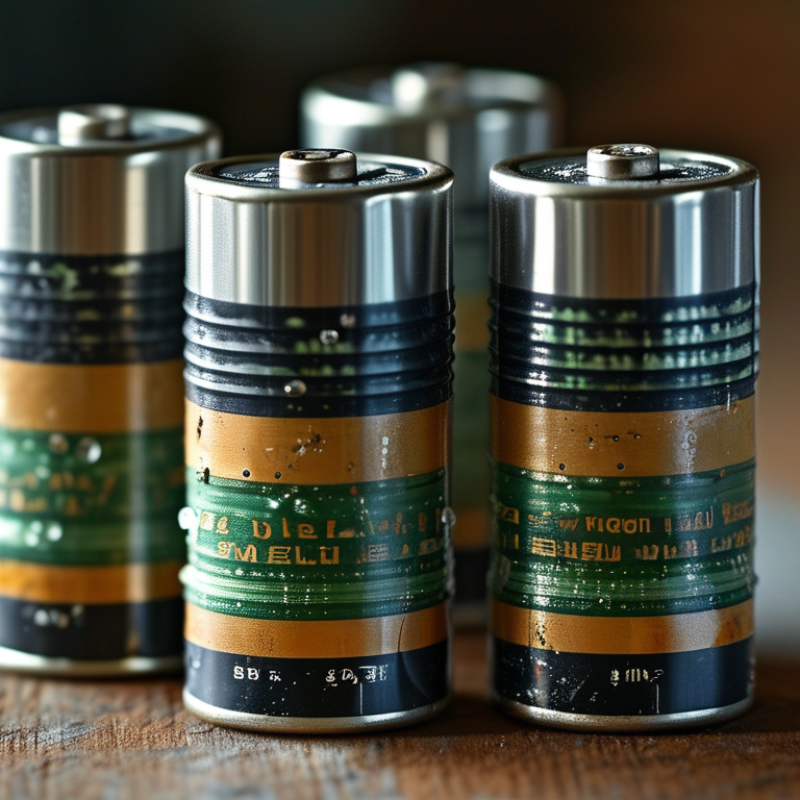
A dry cell battery is a type of electrochemical cell that is widely used in portable power applications. Unlike wet batteries, which contain liquid electrolytes, dry cells use a paste electrolyte, making them more portable and leak-proof. This makes them ideal for everyday devices like flashlights, remote controls, and toys.
These batteries generally consist of a zinc anode, a carbon cathode, and a manganese dioxide electrolyte. According to industry reports, dry cell batteries are highly efficient and can deliver a consistent voltage. For instance, a typical AA dry cell can produce about 1.5 volts. The global dry battery market is projected to increase, reflecting the growing demand for consumer electronics and gadgets.
Tips: When using dry cell batteries, avoid exposing them to extreme temperatures. Overheating can reduce their lifespan and performance. Store batteries in a cool, dry place to maintain their effectiveness over time.
Another point of consideration is charging. Most dry cells are not rechargeable, which means they should be disposed of properly once depleted. This raises environmental concerns, as improper disposal can impact ecosystems. Despite their convenience, users should reflect on their energy choices and consider eco-friendly alternatives.
Dry cell batteries are a vital component in powering countless devices. Understanding their components is essential for grasping how they function. A typical dry cell battery consists of an anode, a cathode, and an electrolyte. The anode, often made of zinc, serves as the negative terminal. In contrast, the cathode is usually composed of a carbon rod surrounded by manganese dioxide. This structure helps to facilitate the flow of electric current.
The electrolyte in a dry cell battery is a paste, which can be made from various materials. This paste allows ionic movement, crucial for energy conversion. An industry report notes that the market for alkaline batteries, a popular type of dry cell, is expected to reach $13 billion by 2027. Despite advancements in battery technology, dry cells still face challenges. These include limited shelf life and lower energy density compared to modern alternatives.
Manufacturers are continually exploring ways to improve efficiency and longevity. Some batteries experience leakage over time, impacting performance. Feedback from users indicates that while dry cells are reliable, their effectiveness can diminish after extended use. Therefore, regular assessments and technological innovations remain essential for enhancing battery reliability in future applications.
This chart compares the capacity of various types of dry cell batteries measured in milliampere-hours (mAh). AA batteries generally have a higher capacity compared to AAA batteries, while D batteries have the highest capacity among the types listed.
A dry cell battery generates electricity through a chemical reaction. Inside the battery, two electrodes—an anode and a cathode—are immersed in an electrolyte paste. This paste is solid, giving the dry cell its name. When the battery is connected to a circuit, a reaction occurs between the chemicals in the anode and electrolyte, producing electrons. These electrons flow through the circuit, supplying power to devices.
Research from industry reports indicates that dry cell batteries represent over 60% of the global battery market. Their applications range from remote controls to flashlights, highlighting their importance. Despite their widespread use, issues such as leakage and limited lifespan need attention. On average, dry cell batteries can last anywhere from 3 to 5 years under optimal conditions, but performance degrades in extreme temperatures.
Electricity production in dry cells is relatively efficient, yet they face challenges in recycling and environmental impact. The materials inside the batteries, while effective, can be harmful when disposed of improperly. As technology advances, ongoing improvements in dry cell design and sustainable practices are essential to mitigate these effects. Industry standards emphasize the need for better recycling methods to reduce waste and environmental harm.
Dry cell batteries are widely used in everyday devices. They power items like remote controls, flashlights, and toys. Their compact design makes them convenient and portable. The chemical reactions inside these batteries create electrical energy. This energy is released when the battery is connected to a device, providing a reliable source of power.
One common application of dry cell batteries is in household devices. They are often found in smoke alarms, wall clocks, and digital thermometers. These batteries are also used in portable gaming consoles and cameras. Their ability to deliver consistent voltage makes them suitable for these applications. However, users should be aware of their limitations. Frequent use can lead to depletion, resulting in a need for replacement.
Tips for prolonging battery life include removing them from devices when not in use. Store batteries in a cool, dry place to prevent leakage. Pay attention to expiration dates. Refrain from mixing old and new batteries in devices, as this can decrease performance. Regularly check devices that rely on dry cell batteries to ensure they remain functional.
Dry cell batteries are widely utilized due to their portability and convenience. However, they come with both advantages and disadvantages that users should be aware of.
One significant advantage is their compact size. They are small, light, and can be used in a variety of devices, from remote controls to flashlights. Dry cell batteries also have a relatively long shelf life. They can last for years without leaking or losing power, making them ideal for emergency use.
On the downside, dry cell batteries can have limited capacity. They may not power devices for extended periods, especially high-drain electronics. Additionally, environmental concerns arise from disposable dry cell batteries. They contain materials that can be harmful if not disposed of correctly.
Tips: When using dry cell batteries, consider rechargeable options. They can save money and reduce waste. Also, store them in a cool, dry place to extend their lifespan. Remember, over time, even unused batteries may lose their charge.
| Aspect | Details |
|---|---|
| Definition | A dry cell battery is a type of electrochemical battery that uses a paste electrolyte, providing various advantages over liquid electrolyte batteries. |
| Components | Common components include an anode (positive electrode), cathode (negative electrode), and a paste electrolyte. |
| Operating Principle | Dry cell batteries generate electricity through electrochemical reactions between the anode, cathode, and electrolyte. |
| Common Uses | Used in devices like flashlights, remote controls, toys, and portable electronics. |
| Advantages | Lightweight, portable, low leakage, and stable under various conditions. |
| Disadvantages | Limited lifespan, lower energy density compared to rechargeable batteries, and can be sensitive to extreme temperatures. |
| Environmental Concerns | Improper disposal can lead to environmental hazards due to toxic substances. |
„Thanks to the LUVIR technology, the solder resist process could be switched directly from the previously used mask exposure to direct exposure. As an outstanding digital solution on the market, this technology has been able to demonstrate fast process times and superior quality on our certified conventional ink in production. This allowed us to fully digitize the solder mask process at low cost – without process or ink adjustments. An excellent benefit to our production in Rot am See.“
Ralf Göhringer (Head of Production WE Rot am See)
I would definitely recommend the Limata machine and team for a future company purchase
Michael Greenaway
Compunetics Inc.
“The Limata ldi has been amazing!! Best thing we did was buy this machine”
Richard Brady
GM
Circuitlabs
“Since 2019, we have been running the Limata X1000 LDI system (including LUVIR for solder mask imaging) in daily production as an addition to our current process with film. The machine was capable of properly exposing Taiyo PSR-4000 BN (DI) solder mask types on normal to high-copper boards using a new and unique direct imaging process. The machine operating interface is very user friendly which allowed for a quick technical training curve. The pre-registration processing reduced several seconds of production time at every print. Limata support and service staff is incomparable. They supported our team every step of the way at basically any time of the day or night, with literally, an immediate response time, customizing the software interface to best fit our Operations and needs.
We have exposed more than 8,000 prints since end of October, on various solder mask colors and some resist film panels. Limata, has proven to be very capable and innovative. They are a strong contender in the industry.
We have very much enjoyed this project, and working with the team!
Thank you Limata for the continued support and being a part of our growth.”
Bill Sezate
Vice President, GM
Summit Interconnect
As a replacement to our current contact exposure process with film, the LIMATA X2000 system including LUVIR-Technology was capable of properly exposing non-LDI solder mask types using a direct imaging process. The machine offers cutting edge software with a very intuitive operating interface which allowed for quick technician training curve. The dual drawer system combined with pre-registration processing reduced several seconds of production time at every machine cycle. Limata support and service staff is world class. They added software patches to keep production running at shortest possible response times, customized the software interface to best fit our in-house Operations system, and even wrote a step-by-step machine processing manual. As a result of the project, we have exposed more than 16,000 times on various product types and solder mask brands/colors. Limata, in a very short timeframe as a company, has definitely shown they are truly innovative and will be challenging the industry of direct imaging for the top spot.
Kevin Beattie
Process Engineer
TTM Technologies
Forest Grove Division
