The Fish meal and oil processing industry plays a vital role in sustainable aquaculture and animal feed. Experts have emphasized the importance of efficiency in this sector. Dr. John Smith, a renowned authority in marine resource management, once stated, “Optimizing fish meal and oil processing is crucial for both economy and environment.” This underscores the pressing need for adopting innovative techniques and adhering to best practices.
Efficiency in fish meal and oil processing can lead to reduced waste and enhanced yield. However, many facilities face challenges related to technology and resources. Inconsistent practices can lead to suboptimal results. Addressing these issues requires a thorough understanding of the latest methods and a commitment to continuous improvement.
The integration of modern technologies is essential. Drying and extraction processes must be refined for better quality output. Focused training for operators can also result in higher standards. Ultimately, the industry must prioritize sustainability and drive progress. The future of fish meal and oil processing depends on our ability to innovate and adapt.
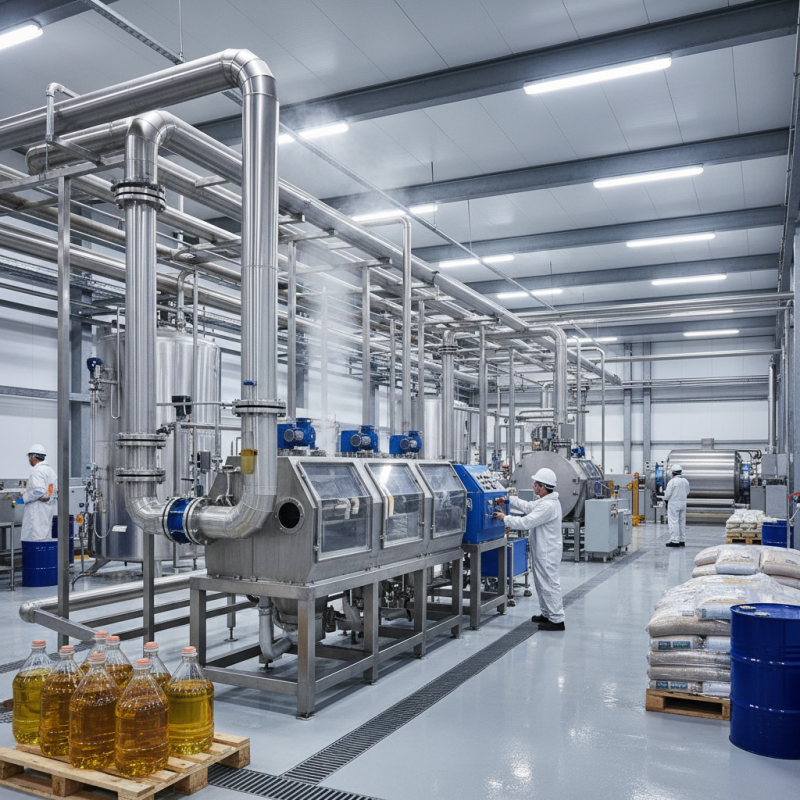
Harvesting fish for meal and oil production requires careful planning and precision. Timing is crucial. Fish should be processed soon after being caught to preserve freshness. The quality of the fish significantly affects the final product. Using proper equipment will minimize damage, ensuring maximum yield.
Fishing in optimal conditions is essential. Weather, tides, and water temperature can influence fish behavior and availability. Understanding local fish populations can lead to more efficient catch. Yet, this knowledge takes time and experience. Sustainable practices should always be a primary focus. Overfishing can deplete resources quickly.
After the catch, the fish should be chilled immediately. This process reduces spoilage and enhances flavor. The best practices include gutting and cleaning the fish as soon as possible. However, not all methods are foolproof. Some may delay processing, leading to quality loss. Regular training and knowledge sharing can help address these challenges.
In fish processing, the key to quality oil extraction lies in optimal techniques and best practices. Utilizing fresh fish is crucial. Research shows that fresh fish can yield an oil quality that is 20-30% higher than processed from stale fish. Ensure immediate processing after catching. This reduces lipid oxidation, which can compromise oil quality.
Temperature control during processing is critical. Studies indicate that keeping temperatures below 60°C helps retain essential fatty acids. The application of suitable enzymatic treatments can also enhance oil yield, with some methods reportedly increasing oil extraction rates by up to 15%.
However, not all processing methods are foolproof. Overheating can lead to significant nutrient loss. Similarly, improper storage practices might lead to contamination and spoilage. Facilities must prioritize hygiene to ensure that the final product meets strict safety standards. Regular quality checks and adherence to processing protocols contribute significantly to maintaining high standards.
Efficient rendering of fish by-products is crucial for maximizing resource use in the fish meal and oil industry. Various techniques can enhance the processing of these valuable materials. Proper handling and storage of fish by-products is vital to prevent spoilage. It’s essential to monitor temperatures continuously. This helps retain the quality of the raw materials throughout the process.
One effective method involves steam cooking. This technique helps separate fats from proteins efficiently. Steam cooking works well because it uses lower temperatures, minimizing nutrient loss. Mechanical separation follows, allowing processors to extract pure fish oil and dried meal. Yet, it's important to note that not all fish types render equally. Fish by-products from fatty fish might yield higher oil content but require different processing adjustments.
Attention to detail at every stage ensures quality output. Operators should be trained to identify flaws in the raw materials. Regular equipment maintenance is equally important. This guarantees that machinery operates at peak efficiency. Implementing these practices can significantly enhance fish meal and oil production.
Proper storage conditions for fish meal and oil are essential. They significantly impact the quality and shelf life of the products. Maintaining optimal temperature and humidity is crucial. High temperatures can lead to rancidity, while excess moisture encourages mold growth.
Here are some tips for effective storage:
1. Temperature Control: Store fish meal and oil at cool temperatures. This will slow down oxidation processes. Ideal conditions are typically below 15°C (59°F).
2. Humidity Management: Keep the storage area dry. High humidity levels can degrade product quality. Consider using dehumidifiers if necessary.
3. Packaging: Use airtight containers. This helps to limit oxygen exposure, which is one of the main causes of spoilage.
Ensuring cleanliness in storage areas is also vital. Regularly check for signs of pests or contamination. Not all facilities maintain stringent cleaning protocols, which can lead to overlooked issues. It’s important to establish a routine for inspections.
Storing fish meal and oil seems straightforward, yet many overlook these details. If the goal is to maximize efficiency and quality, never underestimate the importance of the environment in which these products are kept.
Innovative drying methods are crucial for enhancing the quality of fish meal and oil. Traditional techniques often compromise the nutritional value and sensory characteristics of the final products. Recent advancements focus on optimizing drying temperatures and reducing processing times. These innovations not only maintain key nutrients but also improve product stability.
Some approaches utilize low-temperature drying, which retains essential fatty acids. This method minimizes oxidation and degradation. Others implement advanced technologies like microwave or vacuum drying. They significantly reduce moisture content while preserving the delicate flavors and aromas of fish products. However, the need for costly equipment remains a challenge for smaller operations.
Moreover, while these innovations show promise, they require careful implementation. Over-drying can lead to nutrient loss and negatively affect texture. Processors must find a balance between efficiency and product integrity. Continuous monitoring and adjustment are necessary to achieve the best results. Balancing innovation with traditional practices might provide the most effective solutions.
„Thanks to the LUVIR technology, the solder resist process could be switched directly from the previously used mask exposure to direct exposure. As an outstanding digital solution on the market, this technology has been able to demonstrate fast process times and superior quality on our certified conventional ink in production. This allowed us to fully digitize the solder mask process at low cost – without process or ink adjustments. An excellent benefit to our production in Rot am See.“
Ralf Göhringer (Head of Production WE Rot am See)
I would definitely recommend the Limata machine and team for a future company purchase
Michael Greenaway
Compunetics Inc.
“The Limata ldi has been amazing!! Best thing we did was buy this machine”
Richard Brady
GM
Circuitlabs
“Since 2019, we have been running the Limata X1000 LDI system (including LUVIR for solder mask imaging) in daily production as an addition to our current process with film. The machine was capable of properly exposing Taiyo PSR-4000 BN (DI) solder mask types on normal to high-copper boards using a new and unique direct imaging process. The machine operating interface is very user friendly which allowed for a quick technical training curve. The pre-registration processing reduced several seconds of production time at every print. Limata support and service staff is incomparable. They supported our team every step of the way at basically any time of the day or night, with literally, an immediate response time, customizing the software interface to best fit our Operations and needs.
We have exposed more than 8,000 prints since end of October, on various solder mask colors and some resist film panels. Limata, has proven to be very capable and innovative. They are a strong contender in the industry.
We have very much enjoyed this project, and working with the team!
Thank you Limata for the continued support and being a part of our growth.”
Bill Sezate
Vice President, GM
Summit Interconnect
As a replacement to our current contact exposure process with film, the LIMATA X2000 system including LUVIR-Technology was capable of properly exposing non-LDI solder mask types using a direct imaging process. The machine offers cutting edge software with a very intuitive operating interface which allowed for quick technician training curve. The dual drawer system combined with pre-registration processing reduced several seconds of production time at every machine cycle. Limata support and service staff is world class. They added software patches to keep production running at shortest possible response times, customized the software interface to best fit our in-house Operations system, and even wrote a step-by-step machine processing manual. As a result of the project, we have exposed more than 16,000 times on various product types and solder mask brands/colors. Limata, in a very short timeframe as a company, has definitely shown they are truly innovative and will be challenging the industry of direct imaging for the top spot.
Kevin Beattie
Process Engineer
TTM Technologies
Forest Grove Division
