Electric Sensor Switches are innovative devices that enhance automation in various applications. They detect motion or changes in the environment, triggering actions without manual input. This technology is increasingly used in homes and industries, making life more convenient.
Understanding how an Electric Sensor Switch works involves grasping its key components. Typically, it uses infrared sensors or ultrasonic waves to sense intruders or movement. When a person or object is detected, the switch activates a connected circuit. This activation can control lights, alarms, or machinery. The efficiency of these switches can significantly impact energy consumption.
However, electric sensor switches are not without challenges. False triggers can occur due to pets or environmental changes. Moreover, placement is crucial for optimal performance. Users often overlook these aspects, leading to frustration. Being aware of these factors can enhance their usage and reliability. Therefore, proper understanding and strategic placement are essential for maximizing their benefits.
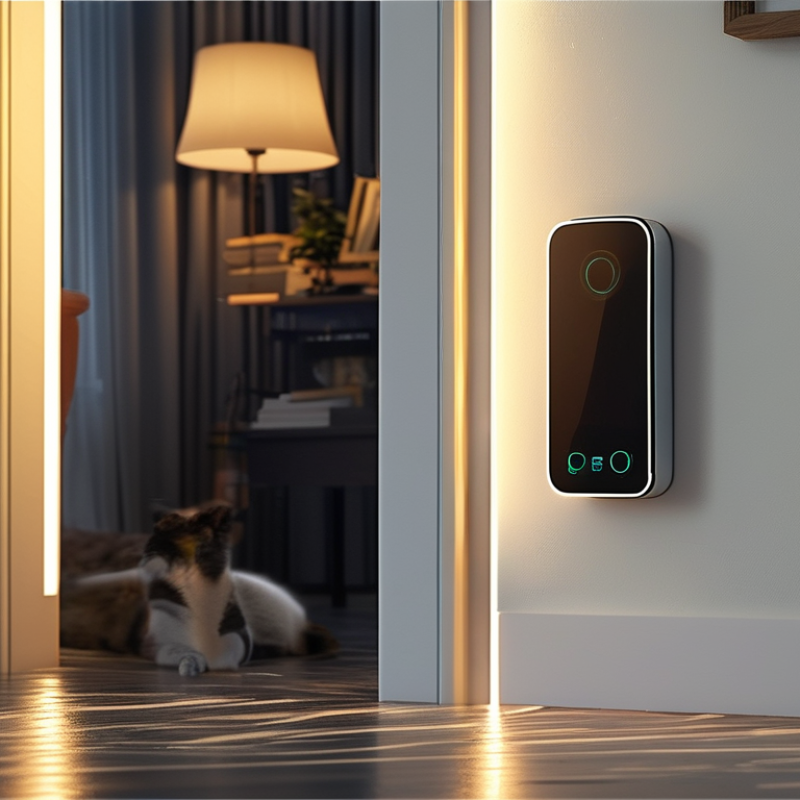
Electric sensor switches are innovative devices that provide a seamless way to control lighting and other electrical systems. They operate based on various sensing principles, detecting motion, light, or temperature to activate circuits. According to recent industry reports, the global smart sensor market is projected to reach $63 billion by 2026, showing significant growth in automated systems.
These switches utilize technologies like infrared and ultrasonic sensors. Infrared sensors detect body heat, making them perfect for security applications. Ultrasonic sensors emit sound waves to sense movement. Both types enhance energy efficiency by ensuring that lights and appliances are only on when needed. It's vital to understand their functionalities for optimal use.
Tip: Test your electric sensor switch in different scenarios to gauge responsiveness. Adjusting the sensitivity settings can prevent unnecessary activations.
User experience with electric sensor switches varies. Some find them too sensitive, causing lights to flicker unexpectedly. Users should consider placement carefully. A poorly positioned sensor may lead to false triggers or missed activations.
Tip: Regular maintenance checks can prolong the life of your sensor switch. Dust and debris can hinder performance, so keeping sensors clean is essential.
Electric sensor switches are becoming indispensable in modern applications. These devices rely on several key components to function properly. Understanding these components can help you appreciate how these switches operate.
At the heart of an electric sensor switch is the sensor itself. This device detects changes in the environment, such as motion or light. It converts these changes into electrical signals. Common types include infrared sensors and photoelectric sensors. These sensors can be sensitive. Sometimes, they might trigger falsely due to nearby movement or varying light levels.
Another crucial component is the control circuit. This circuit processes the signals generated by the sensor. It determines whether to activate or deactivate the load connected to the switch. Reliability is essential here. However, issues like circuit interference can occur. Lastly, the actuator is responsible for executing the switch's actions. It physically opens or closes the circuit. Each component plays a crucial role, yet they can also present challenges that require careful management.
Electric sensor switches utilize sensors to detect motion, light, or temperature changes. They are commonly found in homes and offices. These devices enhance energy efficiency by controlling lights and appliances based on activity. When someone enters a room, the sensor detects the presence and activates the switch, turning on the lights automatically. This functionality reduces energy waste and improves convenience.
How these switches operate is fascinating. They contain sensing elements that respond to specific stimuli. For example, motion sensors use infrared technology to detect heat emitted by moving bodies. Light sensors gauge ambient light levels to adjust artificial lighting accordingly. These sensors send signals to the switch, which executes the command. However, environmental factors can cause false triggers. Pets, passing cars, or even fluctuating temperatures may lead to unintended activations.
Understanding the limitations of electric sensor switches is important. They may not work effectively in areas with constant motion or varying light conditions. Placement is critical; if positioned poorly, they may miss detecting activity. Regular maintenance helps ensure optimal functionality. While these devices offer modern convenience, users must consider their unique environments to maximize effectiveness.
This bar chart represents the performance efficiency of electric sensor switches over a 12-month period. The data represents the average response time (in milliseconds) measured each month, with a notable decrease in response time as technology improves.
Electric sensor switches are essential components in various applications, from smart homes to industrial systems. They can intelligently respond to environmental changes, enhancing efficiency and safety. There are several types of electric sensor switches commonly used today, each serving unique functions.
PIR (Passive Infrared) sensors detect motion by sensing changes in infrared radiation. They're popular in security systems and automatic lighting controls. According to industry reports, the demand for PIR sensors is expected to grow significantly, driven by increased security needs in residential sectors.
Another type is the photoelectric sensor. These devices use light to detect objects and are widely used in manufacturing for automation tasks. Reports indicate that the market for photoelectric sensors will expand due to advancements in technology.
In harsh environments, inductive proximity switches are favored for their reliability in detecting metallic objects without contact. This reliability is crucial in situations where precision is vital. As these technologies evolve, considering their limitations and areas for improvement remains essential for future developments.
Electric sensor switches are widely used in various applications due to their ability to detect changes in the environment. These devices respond to physical stimuli like temperature, light, or motion. In homes, they enhance convenience and energy efficiency, automatically controlling lights when someone enters a room. In offices, they adjust heating or cooling based on occupancy, helping save energy.
In industrial settings, electric sensor switches are vital. They monitor machinery performance and can trigger alarms for malfunctions. Such proactive monitoring minimizes downtime. In the automotive industry, these sensors assist in safety features, like automatic braking systems. They provide real-time data, contributing to more efficient operations.
Despite their advantages, electric sensor switches can pose challenges. False triggers can occur from nearby movements or vibrations. Regular maintenance is needed to ensure accuracy. Understanding the environment where these switches are used is crucial for optimal performance. This requires continuous evaluation to adapt to new conditions.
| Feature | Description | Applications |
|---|---|---|
| Type | Infrared Sensor Switch | Automatic lighting control, security systems |
| Sensitivity | Adjustable sensitivity levels | Motion-detection lighting |
| Power Supply | AC or DC voltage | Smart home systems |
| Control Method | Remote control and automation | Home automation |
| Response Time | Less than 1 second | Immediate lighting activation |
| Range | Up to 10 meters | Wide area detection in offices and homes |
| Durability | Weather-resistant for outdoor use | Exterior lighting control |
„Thanks to the LUVIR technology, the solder resist process could be switched directly from the previously used mask exposure to direct exposure. As an outstanding digital solution on the market, this technology has been able to demonstrate fast process times and superior quality on our certified conventional ink in production. This allowed us to fully digitize the solder mask process at low cost – without process or ink adjustments. An excellent benefit to our production in Rot am See.“
Ralf Göhringer (Head of Production WE Rot am See)
I would definitely recommend the Limata machine and team for a future company purchase
Michael Greenaway
Compunetics Inc.
“The Limata ldi has been amazing!! Best thing we did was buy this machine”
Richard Brady
GM
Circuitlabs
“Since 2019, we have been running the Limata X1000 LDI system (including LUVIR for solder mask imaging) in daily production as an addition to our current process with film. The machine was capable of properly exposing Taiyo PSR-4000 BN (DI) solder mask types on normal to high-copper boards using a new and unique direct imaging process. The machine operating interface is very user friendly which allowed for a quick technical training curve. The pre-registration processing reduced several seconds of production time at every print. Limata support and service staff is incomparable. They supported our team every step of the way at basically any time of the day or night, with literally, an immediate response time, customizing the software interface to best fit our Operations and needs.
We have exposed more than 8,000 prints since end of October, on various solder mask colors and some resist film panels. Limata, has proven to be very capable and innovative. They are a strong contender in the industry.
We have very much enjoyed this project, and working with the team!
Thank you Limata for the continued support and being a part of our growth.”
Bill Sezate
Vice President, GM
Summit Interconnect
As a replacement to our current contact exposure process with film, the LIMATA X2000 system including LUVIR-Technology was capable of properly exposing non-LDI solder mask types using a direct imaging process. The machine offers cutting edge software with a very intuitive operating interface which allowed for quick technician training curve. The dual drawer system combined with pre-registration processing reduced several seconds of production time at every machine cycle. Limata support and service staff is world class. They added software patches to keep production running at shortest possible response times, customized the software interface to best fit our in-house Operations system, and even wrote a step-by-step machine processing manual. As a result of the project, we have exposed more than 16,000 times on various product types and solder mask brands/colors. Limata, in a very short timeframe as a company, has definitely shown they are truly innovative and will be challenging the industry of direct imaging for the top spot.
Kevin Beattie
Process Engineer
TTM Technologies
Forest Grove Division
