Outdoor switchgear plays a critical role in energy distribution and management. It protects electrical systems from faults and environmental factors. According to the latest report by the International Energy Agency (IEA), the demand for outdoor switchgear is expected to grow by 7% annually over the next five years. Industry expert Dr. Emily Chen emphasizes the importance of reliability, stating, “The effectiveness of outdoor switchgear directly impacts the resilience of our energy grids.”
Engineers and project managers often face challenges when selecting outdoor switchgear. With numerous features available, understanding what truly matters can be overwhelming. Key features like environmental protection, modularity, and maintenance accessibility are crucial for efficient operations. The complexity of modern electrical systems also amplifies the need for advanced outdoor switchgear that can adapt to evolving grid demands.
While industry advancements have improved outdoor switchgear performance, there is still room for improvement. Some systems may lack adequate insulation, increasing vulnerability to extreme weather. This highlights the importance of continuous innovation and rigorous testing in the industry. Addressing these challenges can lead to more reliable energy solutions for the future.
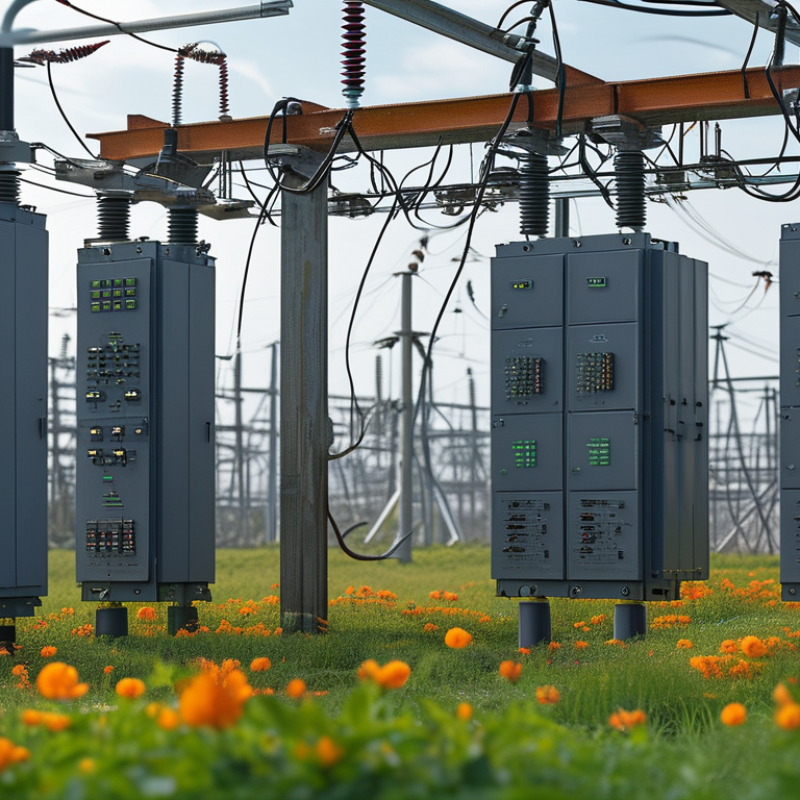
Outdoor switchgear plays a vital role in electrical systems. Understanding its key components is essential for efficient operation. The main components include circuit breakers, disconnectors, and transformers. Circuit breakers protect against overloads by interrupting the current flow. Disconnectors isolate portions of the system for maintenance. Transformers adjust voltage levels to match specific needs.
In addition to these components, outdoor switchgear must be designed for environmental durability. Weather-resistant materials ensure long-lasting performance. It’s crucial to consider the location of installation. Areas prone to flooding or high winds require additional measures.
Tip: Regular inspection and maintenance help prevent unexpected failures. Check connections and insulation regularly. Use temperature monitoring systems to detect overheating. Taking these steps can improve reliability.
Choosing the right design is essential, yet can be challenging. Each installation poses unique challenges. Analyze factors like space, location, and voltage requirements before deciding. Engaging with experienced professionals can provide valuable insights. Remember, a well-informed decision leads to better longevity in outdoor switchgear systems.
This bar chart illustrates the key features of outdoor switchgear and their significance in the utility industry. The data highlights the various components and their performance metrics based on industry standards.
Outdoor switchgear plays a crucial role in power distribution systems. Understanding its types can enhance system efficiency and reliability. One common type is the air-insulated switchgear (AIS). AIS is widely used due to its robustness and cost-effectiveness. It functions effectively in various weather conditions, making it suitable for outdoor applications.
Another type is the gas-insulated switchgear (GIS). GIS is compact and offers excellent electrical performance. Its design minimizes the space requirements. This feature is particularly beneficial in urban settings where space is limited. However, GIS can be more expensive due to the advanced technology involved.
In areas with heavy rain or snow, outdoor switchgear must meet specific operational challenges. Selecting the right type based on local conditions ensures robust performance. Field testing reveals that even top-quality equipment may need adjustments over time. While standards exist, not every switchgear solution fits every scenario perfectly. A careful assessment of local environmental factors is essential for optimal deployment.
Outdoor switchgear is essential in power distribution. It ensures the safety and reliability of electrical systems in various weather conditions. Understanding safety features of outdoor switchgear is crucial for maintenance and operation.
One vital safety feature is insulation. It protects against electrical faults and environmental impacts. High-quality materials are used to ensure this protection. Proper grounding is another safety measure. Grounding helps prevent electrostatic discharge and reduces shock risks. Regular inspections are necessary. They help identify potential issues early.
Another aspect is the arc containment design. This feature controls arcs during switching operations. It minimizes risks and helps prevent equipment damage. Accessibility for maintenance is also critical. Technicians should easily reach all components for checks. This aspect often gets overlooked, but it's important for overall safety. Ignoring these factors can lead to serious consequences. Understanding these features fosters safer operational practices.
When selecting outdoor switchgear, several factors play a crucial role in the decision-making process. According to a recent industry report, environmental conditions, load requirements, and installation location are key considerations. Outdoor switchgear must withstand harsh weather, including high winds, extreme temperatures, and precipitation. For instance, switchgear installed in coastal areas should have corrosion-resistant materials to ensure longevity.
It's also essential to consider the equipment's insulation type. Air-insulated and gas-insulated switchgear have distinct advantages and disadvantages. In urban areas, gas-insulated switchgear is often preferred due to its compact design and reduced footprint. A study shows that the market for outdoor switchgear is projected to grow by 5% annually, driven largely by renewable energy sources and upgrades in electrical infrastructure.
Tip: Always assess the local environment and future load requirements. This foresight can prevent costly adjustments later.
Another factor is safety features. Protection against overloading and short circuits is vital. Many outdoor switchgear units now include advanced monitoring systems to ensure reliable operation. However, some systems might require regular updates to maintain effectiveness. Not everyone is aware of this, which could lead to operational risks.
Tip: Regularly review safety protocols and maintenance schedules. This helps to identify potential weaknesses in your switchgear system.
Maintaining outdoor switchgear is essential for optimal performance. Regular inspections and maintenance can prevent unexpected failures. Technicians should check for signs of wear and corrosion. This can include visual inspections of connections, terminals, and other exposed parts.
Cleaning is equally important. Dust and debris can accumulate, impacting performance. Scheduled cleaning reduces the risk of overheating and improves reliability. If neglected, even minor dirt can lead to significant issues. Technicians should use appropriate tools and methods to avoid damage.
Lubrication of moving parts is crucial. Proper lubrication minimizes friction and wear. However, too much lubricant can attract dirt. This creates a cycle of failure. Regularly monitoring the amount used is key. Adjustment and calibration of settings also play a vital role. Over time, components may drift from their optimal positions. Addressing these changes enhances system efficiency. These practices highlight the importance of vigilance and ongoing learning.
| Feature | Importance | Maintenance Practices | Frequency |
|---|---|---|---|
| Weather Resistance | Protects against environmental damage | Inspect seals and gaskets | Annually |
| Load Capacity | Ensures reliability under peak loads | Check load monitoring systems | Quarterly |
| Safety Features | Prevents accidents and injuries | Test operation of emergency systems | Biannually |
| Modularity | Allows flexible configurations | Inspect module connections | Annually |
| Monitoring and Control Systems | Enhances operational visibility | Update software and firmware | Quarterly |
„Thanks to the LUVIR technology, the solder resist process could be switched directly from the previously used mask exposure to direct exposure. As an outstanding digital solution on the market, this technology has been able to demonstrate fast process times and superior quality on our certified conventional ink in production. This allowed us to fully digitize the solder mask process at low cost – without process or ink adjustments. An excellent benefit to our production in Rot am See.“
Ralf Göhringer (Head of Production WE Rot am See)
I would definitely recommend the Limata machine and team for a future company purchase
Michael Greenaway
Compunetics Inc.
“The Limata ldi has been amazing!! Best thing we did was buy this machine”
Richard Brady
GM
Circuitlabs
“Since 2019, we have been running the Limata X1000 LDI system (including LUVIR for solder mask imaging) in daily production as an addition to our current process with film. The machine was capable of properly exposing Taiyo PSR-4000 BN (DI) solder mask types on normal to high-copper boards using a new and unique direct imaging process. The machine operating interface is very user friendly which allowed for a quick technical training curve. The pre-registration processing reduced several seconds of production time at every print. Limata support and service staff is incomparable. They supported our team every step of the way at basically any time of the day or night, with literally, an immediate response time, customizing the software interface to best fit our Operations and needs.
We have exposed more than 8,000 prints since end of October, on various solder mask colors and some resist film panels. Limata, has proven to be very capable and innovative. They are a strong contender in the industry.
We have very much enjoyed this project, and working with the team!
Thank you Limata for the continued support and being a part of our growth.”
Bill Sezate
Vice President, GM
Summit Interconnect
As a replacement to our current contact exposure process with film, the LIMATA X2000 system including LUVIR-Technology was capable of properly exposing non-LDI solder mask types using a direct imaging process. The machine offers cutting edge software with a very intuitive operating interface which allowed for quick technician training curve. The dual drawer system combined with pre-registration processing reduced several seconds of production time at every machine cycle. Limata support and service staff is world class. They added software patches to keep production running at shortest possible response times, customized the software interface to best fit our in-house Operations system, and even wrote a step-by-step machine processing manual. As a result of the project, we have exposed more than 16,000 times on various product types and solder mask brands/colors. Limata, in a very short timeframe as a company, has definitely shown they are truly innovative and will be challenging the industry of direct imaging for the top spot.
Kevin Beattie
Process Engineer
TTM Technologies
Forest Grove Division
