In the dynamic world of thermal spray applications, selecting the right wire can significantly affect outcomes. According to Dr. John Miller, a leading expert in thermal spray technology, “The success of any thermal coating starts with the quality of the wire.” His experience highlights the importance of choosing specific Wire for Thermal Spray to ensure durability and performance.
The wire for thermal spray must meet stringent standards. Different applications require different materials. For example, carbide wires offer excellent wear resistance, while aluminum wires provide superb corrosion protection. Each wire has unique properties that can influence the coating's effectiveness. Thus, understanding these characteristics is crucial for manufacturers.
Despite advancements, selecting the right wire for thermal spray is not always straightforward. Many factors, such as operating conditions and desired coatings, can complicate the process. It’s essential to weigh all options carefully. Not all wires are suitable for every application. Reflecting on this complexity can help industry professionals make informed decisions.
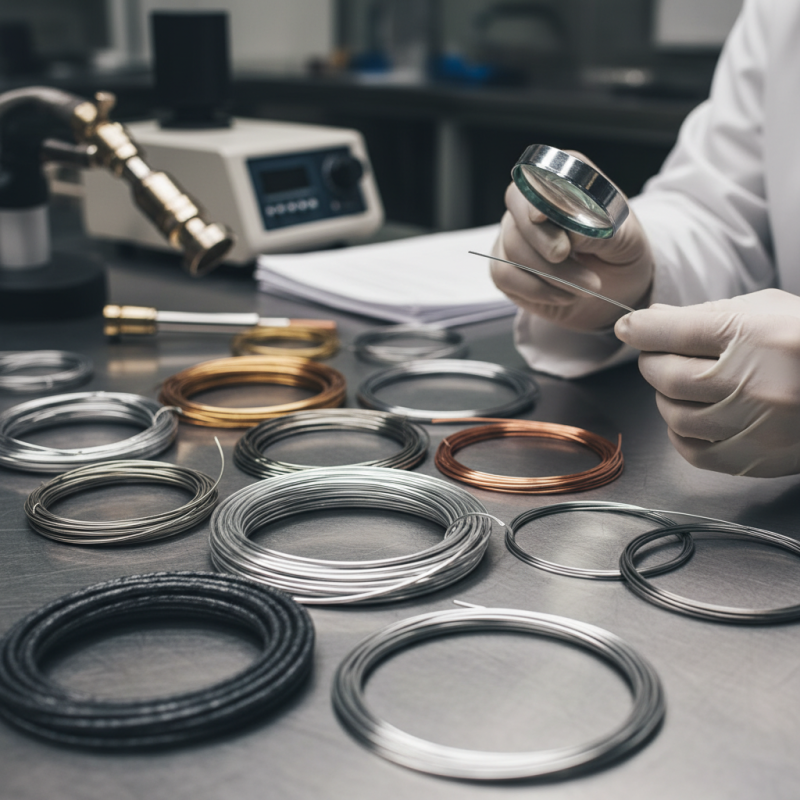
Thermal spray applications require specific materials and wire characteristics for effective performance. Understanding the demands of each project is crucial. The wire must withstand high temperatures and ensure strong adhesion to the substrate. This can vary based on the environmental conditions the final product will face.
Different industries use thermal spray for various purposes. For instance, aerospace components need corrosion resistance and durability. Conversely, automotive parts may focus more on wear resistance. Each application presents unique challenges. The wire's composition, diameter, and melting point all play vital roles in achieving optimal results. Assessing these factors can be complex but is necessary for success.
However, not every type of wire will deliver consistent results. Some materials may underperform or fail unexpectedly. It is essential to evaluate your choices critically. Conducting tests can provide valuable insights. Observing how different wires react under various conditions aids in making informed decisions. Continuous learning in this domain leads to better outcomes.
When it comes to thermal spraying, the choice of wire is crucial. Various types of wires are used, each suited for different applications. Common materials include tungsten, aluminum, and zinc. According to a recent industry report, approximately 30% of thermal spray applications use aluminum wire. This wire offers excellent corrosion resistance and is widely utilized in aerospace.
Copper-based wires are also popular. They provide good conductivity and wear resistance. The Global Thermal Spray Market is projected to reach $8 billion by 2025, driven by increasing demand for protective coatings in manufacturing. However, the selection process can be overwhelming due to the variety available.
Tip: Always evaluate the specific requirements of your application before choosing a wire. Consider factors like environmental exposure and required coating properties.
Coating thickness is a factor often overlooked. Standard thickness can range from 50 to 500 micrometers. Applying thicker coatings may increase durability but can also lead to more significant thermal stress. Therefore, fine-tuning coating parameters is essential.
Tip: Test various wire types in small batches. This allows for better understanding and adjustments before large-scale applications. Analyzing these factors thoroughly can lead to improved performance and cost-effectiveness.
When selecting wire for thermal spray applications, several critical factors come into play. The material composition of the wire significantly impacts the coating quality and adhesion. Reports indicate that wires made from tungsten, nickel, and chromium provide excellent results for wear resistance. The diameter of the wire also influences the spray process, as thinner wires produce finer coatings while thicker options offer increased material deposition rates.
It's essential to assess the intended application of the thermal spray. For example, if the goal is to enhance surface hardness, focusing on materials that can withstand high temperatures is vital. Industry data suggest that approximately 30% of application failures stem from improper wire selection. Therefore, evaluating the mechanical properties required for your specific use case is crucial.
Tip: Always consult recent technical guidelines and performance data before making a choice.
In addition to material and diameter, the surface preparation of the substrate plays a key role. Proper cleaning and roughening can improve the bond between the wire and the surface. Often overlooked, this step can make a significant difference in durability. Reflecting on your past projects might reveal surprising patterns in performance linked to wire selection. Understanding these intricacies can lead to better outcomes in future thermal spray applications.
When selecting wire materials for thermal spray applications, it is essential to consider performance attributes. Common materials include nickel-chromium, tungsten, and aluminum alloys. Each has unique properties that affect adhesion, wear resistance, and thermal conductivity. For example, nickel-chromium wires offer excellent corrosion resistance but can be more challenging to spray. Tungsten wires provide high melting points, making them suitable for high-temperature applications.
Durability is another crucial factor. Aluminum alloys are lightweight and provide decent coating quality. However, they can oxidize quickly in certain environments. The choice between these materials often depends on the specific application requirements and operational conditions. Users may find that initial costs vary significantly, which can complicate decision-making. It’s important to weigh the upfront investment against long-term benefits.
Moreover, some wires perform well under specific conditions but may fall short in others. Engineers should conduct thorough testing before committing to a single material. Finding the best wire involves balancing various factors, including cost, performance, and environmental compatibility. Relying solely on existing data can lead to oversight of potential failures in unique applications. A more comprehensive analysis could uncover better-suited options.
Choosing the right wire for thermal spray applications is crucial for optimal performance. The wire significantly influences the coating's adhesion, microstructure, and overall durability. When selecting your wire, prioritize materials that can withstand high temperatures and harsh environments. Using wires with compatible compositions ensures a strong bond between the coating and substrate.
Another essential aspect is the spray technique. Proper settings on the thermal spray equipment can enhance the coating's characteristics. Explore various spray distances and angles to achieve the best results. However, experimentation might lead to unexpected outcomes. Adjustments may be needed to refine the process. Don’t hesitate to review and analyze results regularly. Learning from each run is vital to improving performance.
Monitoring the thermal spray environment also plays a significant role in success. Controlling factors like humidity and temperature can affect the spray quality. Recognizing when conditions are suboptimal is key. It’s important to document changes and outcomes for future reference. A systematic approach can reduce errors and enhance reliability in thermal spray applications.
„Thanks to the LUVIR technology, the solder resist process could be switched directly from the previously used mask exposure to direct exposure. As an outstanding digital solution on the market, this technology has been able to demonstrate fast process times and superior quality on our certified conventional ink in production. This allowed us to fully digitize the solder mask process at low cost – without process or ink adjustments. An excellent benefit to our production in Rot am See.“
Ralf Göhringer (Head of Production WE Rot am See)
I would definitely recommend the Limata machine and team for a future company purchase
Michael Greenaway
Compunetics Inc.
“The Limata ldi has been amazing!! Best thing we did was buy this machine”
Richard Brady
GM
Circuitlabs
“Since 2019, we have been running the Limata X1000 LDI system (including LUVIR for solder mask imaging) in daily production as an addition to our current process with film. The machine was capable of properly exposing Taiyo PSR-4000 BN (DI) solder mask types on normal to high-copper boards using a new and unique direct imaging process. The machine operating interface is very user friendly which allowed for a quick technical training curve. The pre-registration processing reduced several seconds of production time at every print. Limata support and service staff is incomparable. They supported our team every step of the way at basically any time of the day or night, with literally, an immediate response time, customizing the software interface to best fit our Operations and needs.
We have exposed more than 8,000 prints since end of October, on various solder mask colors and some resist film panels. Limata, has proven to be very capable and innovative. They are a strong contender in the industry.
We have very much enjoyed this project, and working with the team!
Thank you Limata for the continued support and being a part of our growth.”
Bill Sezate
Vice President, GM
Summit Interconnect
As a replacement to our current contact exposure process with film, the LIMATA X2000 system including LUVIR-Technology was capable of properly exposing non-LDI solder mask types using a direct imaging process. The machine offers cutting edge software with a very intuitive operating interface which allowed for quick technician training curve. The dual drawer system combined with pre-registration processing reduced several seconds of production time at every machine cycle. Limata support and service staff is world class. They added software patches to keep production running at shortest possible response times, customized the software interface to best fit our in-house Operations system, and even wrote a step-by-step machine processing manual. As a result of the project, we have exposed more than 16,000 times on various product types and solder mask brands/colors. Limata, in a very short timeframe as a company, has definitely shown they are truly innovative and will be challenging the industry of direct imaging for the top spot.
Kevin Beattie
Process Engineer
TTM Technologies
Forest Grove Division
