Choosing the right Flat Bar Supplier can significantly impact your projects. Flat bars are versatile and widely used in construction and manufacturing. A reliable supplier ensures quality, timely delivery, and fair pricing.
However, navigating the market can be challenging. Not all suppliers offer the same level of service or products. Some may lack transparency, while others might not meet industry standards. Understanding your specific needs is crucial. What material specifications do you require? What dimensions are essential for your designs?
Evaluating potential suppliers is a process that requires attention to detail. Look for those with a solid reputation and experience in the industry. Customer reviews can provide insights, but they aren’t always sufficient. Engaging directly with suppliers can reveal their commitment to quality and reliability.
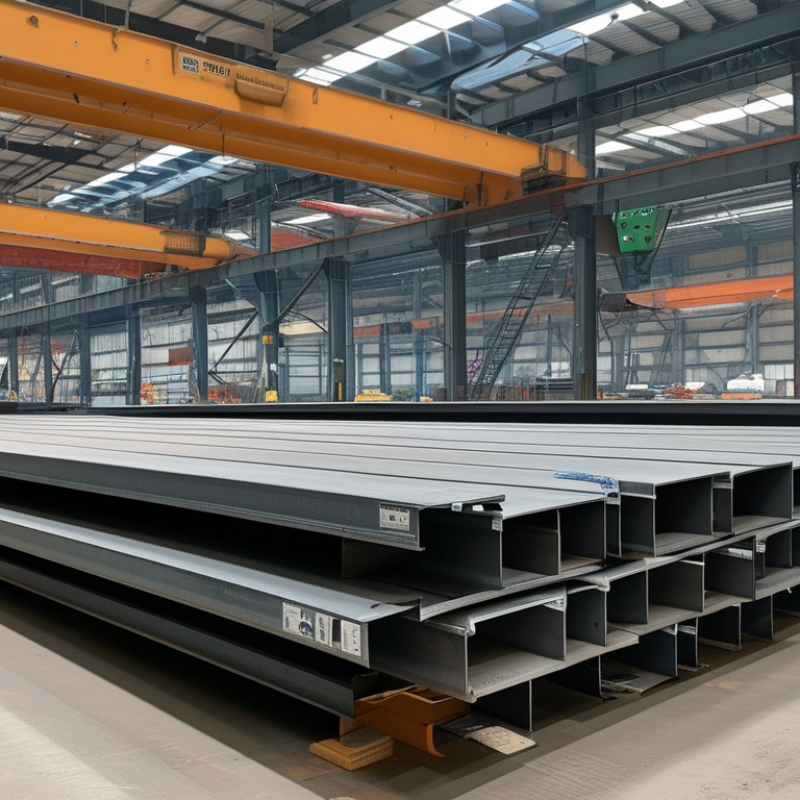
Flat bars are versatile steel products used in various industries. They are flat, rectangular pieces of metal that offer durability and strength. Flat bars play a crucial role in construction, manufacturing, and industrial applications. Their flat shape makes them easy to handle and transport. Builders frequently use them for structural support, while manufacturers rely on them for machinery parts.
In the automotive industry, flat bars are often employed in framework and support structures. Their strength ensures vehicle stability. In the sign-making sector, flat bars serve as foundations for signs and displays. Artists and designers use flat bars for creative projects as well. Despite the many uses, choosing the right flat bar can be challenging. Factors such as material grade, thickness, and width are essential considerations.
One common misconception is that all flat bars are alike. Different specifications can lead to performance issues or product failure. Selecting a reliable supplier is crucial for obtaining high-quality flat bars. Potential buyers should research suppliers and their reputations. This ensures that they not only receive quality materials but also proper guidance regarding applications. Understanding these aspects can prevent costly mistakes.
| Dimension (mm) | Material Type | Common Applications | Industry | Supplier Location |
|---|---|---|---|---|
| 50 x 10 | Carbon Steel | Construction Beams | Construction | USA |
| 75 x 10 | Stainless Steel | Industrial Machinery | Manufacturing | Germany |
| 100 x 20 | Aluminum | Aerospace Components | Aerospace | Canada |
| 150 x 25 | Alloy Steel | Automotive Parts | Automotive | Japan |
| 200 x 50 | Mild Steel | Rail Tracks | Transportation | UK |
Flat bars play a critical role in various manufacturing processes. They are versatile, flat pieces of metal, typically made from steel or aluminum. These bars come in various dimensions, including thickness, width, and length. A well-chosen flat bar can enhance both the structural integrity and aesthetic appeal of a project. The most common specifications to consider include width, thickness, and material grade. According to a report by the World Steel Association, flat products represent over 40% of global steel demand. This highlights their importance in many industries.
Another aspect to consider is the surface finish. Depending on the application, certain finishes may be required to meet strength and corrosion resistance standards. For example, an uncoated flat bar may suffice for indoor projects, while a galvanized version is necessary for outdoor use. The American Society for Testing and Materials (ASTM) provides various standards that dictate the quality of flat bars. Compliance with these standards ensures reliability in their performance.
Furthermore, pay attention to the supplier’s reputation in the industry. Quality inconsistencies can arise from poor sourcing practices. Selecting a supplier with a proven track record and positive reviews is essential. Verify their certifications and inquire about their quality control measures. This inquiry helps to ensure the bars you select meet necessary specifications for your intended use.
In the flat bar supply chain, selecting the right material is crucial. The choice of material affects not only the durability but also the overall performance of the flat bars in various applications. Structural steel, for instance, offers excellent strength, making it a preferred option for construction projects. However, not all steel is created equal. Variations in alloy composition can significantly impact the material’s properties, requiring careful consideration.
When evaluating a flat bar supplier, one must consider their expertise in material selection. A knowledgeable supplier should understand the nuances of different materials. They should guide customers on how these materials perform under various conditions. It’s essential to assess the supplier’s ability to provide documentation on material certifications and testing, ensuring reliability and compliance with industry standards. Lack of clarity in these areas could lead to issues down the line.
Consider reviewing supplier samples to gauge material quality firsthand. Observing the physical characteristics, such as surface finish or dimensional accuracy, can reveal a lot. Don’t hesitate to ask for case studies or references from previous projects. Learning from others’ experiences can illuminate potential pitfalls. Lastly, recognize that material selection is not a one-size-fits-all approach; it requires ongoing reflection and adaptation as projects and technologies evolve.
When evaluating flat bar suppliers, reliability is paramount. Certifications and industry standards serve as important indicators of a supplier's credibility. A recent report by the Steel Construction Institute suggests that suppliers with ISO 9001 certification tend to have higher customer satisfaction rates, reaching up to 85%. This accreditation ensures that a supplier adheres to international quality management principles.
It's also essential to consider compliance with specific industry standards. For example, adherence to ASTM specifications can be a determining factor in product quality, especially in construction and manufacturing sectors. Suppliers that follow these standards are more likely to provide consistent, high-quality materials. Furthermore, the American Institute of Steel Construction has documented that projects utilizing certified materials have reduced failure rates by approximately 30%. However, not all suppliers prioritize these certifications, which can lead to supply chain risks.
Evaluating a supplier's history of compliance and quality can reveal much about their reliability. Many suppliers may present impressive credentials, yet a deeper analysis reveals inconsistencies in their practices. Engaging with industry reviews or requesting references can offer insights into a supplier's actual performance. Establishing a solid relationship with a reliable supplier is a process demanding careful scrutiny and ongoing reflection.
Understanding the cost factors of flat bar products is essential in 2023. Prices can fluctuate based on various elements. Raw material costs play a crucial role, often influenced by market demand and availability. The quality of steel used in flat bars directly affects pricing, with higher-grade materials commanding a premium. Labor costs also impact the final price, reflecting changes in the workforce dynamics.
Transportation expenses add another layer to the cost. Deliveries can vary based on distance and logistics. Regions with better infrastructure may see lower shipping costs. Additionally, supplier reputation affects pricing trends. Established suppliers may offer higher prices due to their reliability and the quality assurance they provide.
When selecting a flat bar supplier, consider their pricing strategy. Seek suppliers who are transparent about their cost breakdown. Evaluate the possibility of bulk purchasing to reduce overall expenses. Look for customer reviews to gauge supplier reliability. Always compare multiple quotes to avoid overpaying. Understanding these factors can guide you in making informed decisions and maximizing your investment.
„Thanks to the LUVIR technology, the solder resist process could be switched directly from the previously used mask exposure to direct exposure. As an outstanding digital solution on the market, this technology has been able to demonstrate fast process times and superior quality on our certified conventional ink in production. This allowed us to fully digitize the solder mask process at low cost – without process or ink adjustments. An excellent benefit to our production in Rot am See.“
Ralf Göhringer (Head of Production WE Rot am See)
I would definitely recommend the Limata machine and team for a future company purchase
Michael Greenaway
Compunetics Inc.
“The Limata ldi has been amazing!! Best thing we did was buy this machine”
Richard Brady
GM
Circuitlabs
“Since 2019, we have been running the Limata X1000 LDI system (including LUVIR for solder mask imaging) in daily production as an addition to our current process with film. The machine was capable of properly exposing Taiyo PSR-4000 BN (DI) solder mask types on normal to high-copper boards using a new and unique direct imaging process. The machine operating interface is very user friendly which allowed for a quick technical training curve. The pre-registration processing reduced several seconds of production time at every print. Limata support and service staff is incomparable. They supported our team every step of the way at basically any time of the day or night, with literally, an immediate response time, customizing the software interface to best fit our Operations and needs.
We have exposed more than 8,000 prints since end of October, on various solder mask colors and some resist film panels. Limata, has proven to be very capable and innovative. They are a strong contender in the industry.
We have very much enjoyed this project, and working with the team!
Thank you Limata for the continued support and being a part of our growth.”
Bill Sezate
Vice President, GM
Summit Interconnect
As a replacement to our current contact exposure process with film, the LIMATA X2000 system including LUVIR-Technology was capable of properly exposing non-LDI solder mask types using a direct imaging process. The machine offers cutting edge software with a very intuitive operating interface which allowed for quick technician training curve. The dual drawer system combined with pre-registration processing reduced several seconds of production time at every machine cycle. Limata support and service staff is world class. They added software patches to keep production running at shortest possible response times, customized the software interface to best fit our in-house Operations system, and even wrote a step-by-step machine processing manual. As a result of the project, we have exposed more than 16,000 times on various product types and solder mask brands/colors. Limata, in a very short timeframe as a company, has definitely shown they are truly innovative and will be challenging the industry of direct imaging for the top spot.
Kevin Beattie
Process Engineer
TTM Technologies
Forest Grove Division
