In the realm of grain processing, the Grain Destoner Machine plays a crucial role. This machine effectively separates stones and other dense impurities from grains. The process relies on specific principles of gravity, vibration, and air flow. Each component works together to ensure high-quality grain output.
Grain destoning is vital for food safety and quality assurance. Removing stones not only enhances the product’s value but also protects processing equipment. It reduces wear and tear, ensuring longer machine life. However, the effectiveness of a Grain Destoner Machine can vary based on factors like grain type and density. This inconsistency invites reflection on machine calibration and maintenance practices.
Investing in a reliable Grain Destoner Machine is essential for grain processors. It represents a commitment to quality and efficiency. Yet, the complexities of grain cleaning necessitate ongoing training and evaluation. Only through continuous improvement can producers achieve optimal results in their operations.
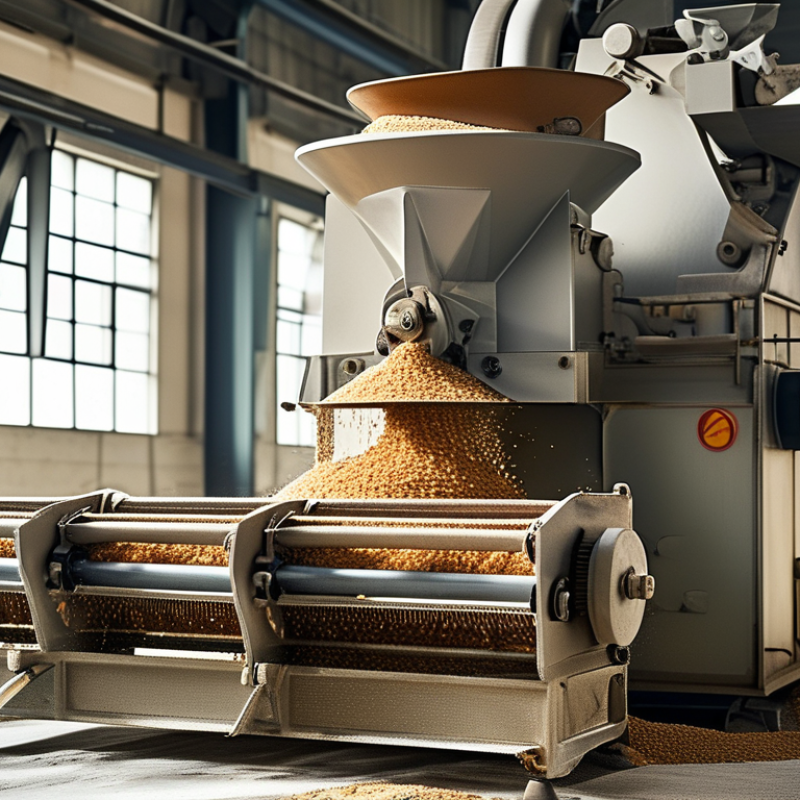
A grain destoner machine serves a crucial role in processing grains. Its primary purpose is to remove stones, dirt, and other impurities from bulk grains. By ensuring higher product quality, it improves food safety and processing efficiency. The design often features a vibratory mechanism that separates heavier particles from lighter grains. This separation relies on differences in density and size.
A well-functioning destoner can significantly enhance grain quality. For optimal performance, regularly check and maintain the machine. Over time, dust and debris can accumulate, affecting efficiency. Proper cleaning not only prolongs the equipment's lifespan but also ensures the grains remain uncontaminated.
When considering a grain destoner, focus on your specific needs. Different grains may require different settings and adjustments. An improper setup can lead to leftovers that could compromise quality. Seek advice from industry experts to tailor the machine to your operations. Regular training for staff in its operation can also prove beneficial.
Grain destoner machines play a critical role in the grain processing industry. Understanding their mechanisms helps improve efficiency and quality. These machines typically consist of several key components, including a vibrating screen, air separation system, and a feed hopper.
A grain destoner machine plays a crucial role in the processing of grains. It efficiently separates stones and heavy impurities from the desired product. This process is essential to ensure the purity and quality of grains before they reach consumers.
The operation of a grain destoner includes several steps. Initially, the raw grain is fed into the machine. The grains are then subjected to air currents that help remove lighter particles. The heavier stones continue downwards due to gravity. A vibrating bed further aids in separating heavier materials from the good grains. The entire process requires careful calibration to optimize efficiency. If the machine is not adjusted properly, some grains may get wasted.
Attention to detail is critical. Operators must regularly check for clogged screens or improper airflow, which can diminish effectiveness. Even with advanced technology, human judgment remains important in monitoring the performance of the destoner. Understanding these operational nuances can lead to better maintenance and higher quality output. Adjustments based on previous experiences will foster continuous improvement in grain processing.
Grain destoner machines play a vital role in the agricultural industry. They effectively separate stones and impurities from grains. This ensures high-quality grain for various applications. In regions with heavy grain production, destoners are essential for maintaining crop standards. These machines are used in mills, processing plants, and storage facilities. Their effectiveness directly impacts grain quality.
In the food processing sector, destoners ensure that quality grains are used in products. In developing regions, the importance of these machines can’t be overstated. They help improve food safety. However, some may overlook regular maintenance, leading to reduced efficiency. This not only affects output quality but can also increase operational costs.
Tips: Always check the machine's settings before use. Proper calibration is essential for optimal performance. Regular inspections can identify issues early. Neglecting these aspects may lead to costly repairs.
Grain destoner machines are essential in grain processing. They help separate stones and impurities from grains, ensuring high-quality produce. Their effectiveness can be measured by performance metrics like purity level, throughput capacity, and energy consumption. According to industry reports, efficient destoners can increase grain purity rates by up to 98%. This level of efficiency ensures that end products meet strict quality standards.
Operators should monitor and evaluate their destoner's performance regularly. Energy consumption is a crucial factor. A destoner that consumes less energy while maintaining output can significantly reduce operational costs. Implementing routine maintenance checks is imperative to enhance effectiveness. Small adjustments, like recalibrating airflow, can boost performance without major overhauls.
Tips: Always keep destoners clean to prevent malfunction. Regular training for operators can lead to more efficient use of the equipment. Finally, collect data to identify areas needing improvement in the processing line. Staying informed about the latest technologies can also provide insights into enhancing grain processing efficiency.
| Metric | Description | Value |
|---|---|---|
| Capacity | Maximum throughput of the machine (tons per hour) | 10 tons/hour |
| Power Consumption | Average energy usage during operation (kW) | 5 kW |
| Separation Efficiency | Percentage of impurities removed from grains | 98% |
| Operating Cost | Estimated cost per ton of grain processed | $2.50/ton |
| Maintenance Frequency | Average time interval between maintenance sessions (months) | 6 months |
„Thanks to the LUVIR technology, the solder resist process could be switched directly from the previously used mask exposure to direct exposure. As an outstanding digital solution on the market, this technology has been able to demonstrate fast process times and superior quality on our certified conventional ink in production. This allowed us to fully digitize the solder mask process at low cost – without process or ink adjustments. An excellent benefit to our production in Rot am See.“
Ralf Göhringer (Head of Production WE Rot am See)
I would definitely recommend the Limata machine and team for a future company purchase
Michael Greenaway
Compunetics Inc.
“The Limata ldi has been amazing!! Best thing we did was buy this machine”
Richard Brady
GM
Circuitlabs
“Since 2019, we have been running the Limata X1000 LDI system (including LUVIR for solder mask imaging) in daily production as an addition to our current process with film. The machine was capable of properly exposing Taiyo PSR-4000 BN (DI) solder mask types on normal to high-copper boards using a new and unique direct imaging process. The machine operating interface is very user friendly which allowed for a quick technical training curve. The pre-registration processing reduced several seconds of production time at every print. Limata support and service staff is incomparable. They supported our team every step of the way at basically any time of the day or night, with literally, an immediate response time, customizing the software interface to best fit our Operations and needs.
We have exposed more than 8,000 prints since end of October, on various solder mask colors and some resist film panels. Limata, has proven to be very capable and innovative. They are a strong contender in the industry.
We have very much enjoyed this project, and working with the team!
Thank you Limata for the continued support and being a part of our growth.”
Bill Sezate
Vice President, GM
Summit Interconnect
As a replacement to our current contact exposure process with film, the LIMATA X2000 system including LUVIR-Technology was capable of properly exposing non-LDI solder mask types using a direct imaging process. The machine offers cutting edge software with a very intuitive operating interface which allowed for quick technician training curve. The dual drawer system combined with pre-registration processing reduced several seconds of production time at every machine cycle. Limata support and service staff is world class. They added software patches to keep production running at shortest possible response times, customized the software interface to best fit our in-house Operations system, and even wrote a step-by-step machine processing manual. As a result of the project, we have exposed more than 16,000 times on various product types and solder mask brands/colors. Limata, in a very short timeframe as a company, has definitely shown they are truly innovative and will be challenging the industry of direct imaging for the top spot.
Kevin Beattie
Process Engineer
TTM Technologies
Forest Grove Division
