A Hose Clip is a simple yet essential tool in various applications, from plumbing to automotive. It serves the fundamental purpose of securing hoses and ensuring that they remain firmly attached to fittings. However, choosing the right Hose Clip isn’t always straightforward. Various types and sizes exist, each tailored for specific tasks. Understanding your needs and the specifics of the hose you are working with is critical.
A reliable Hose Clip can prevent leaks, ensuring that liquids flow smoothly without wastage. Consider factors like material, size, and clamp type. For instance, stainless steel clips offer durability and resistance to corrosion. In contrast, plastic clips may suffice for lighter tasks. Yet, many overlook these differences, leading to potential issues and frustrations.
It’s essential to analyze your application carefully. A poorly chosen Hose Clip can lead to disconnections, leaks, or even equipment damage. Reflecting on past experiences with hose fittings can guide you in making informed decisions. Trusting expert opinions can also provide insights into which options work best for specific scenarios.
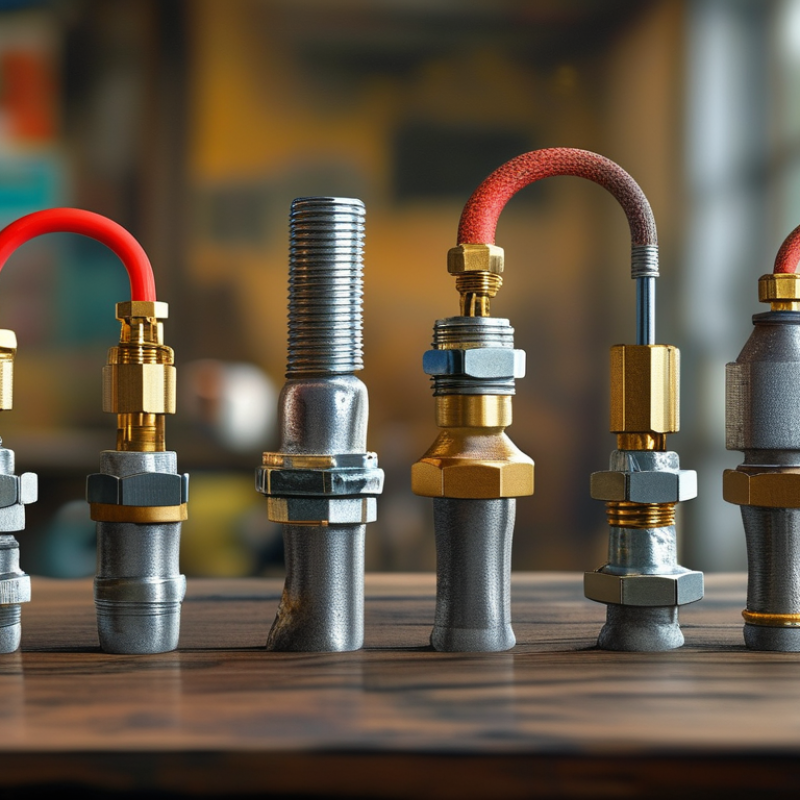
A hose clip, commonly known as a hose clamp, is a simple yet essential device used to secure hoses onto fittings. Its primary purpose is to prevent leaks in fluid delivery systems. The right hose clip ensures a snug fit that withstands pressure and temperature variations. It might seem trivial, but choosing the wrong clip can lead to significant issues. Industry reports estimate that leaks in industrial settings can lead to losses ranging from thousands to millions of dollars annually.
These clips come in various materials, such as stainless steel, plastic, and even brass. Each type has its advantages and limitations. Stainless steel clips are often praised for their durability, particularly in high-pressure environments. However, a report from the Hose Clamp Manufacturers Association indicates that improper installation can reduce effectiveness by up to 20%. Therefore, understanding the application and the environment is crucial in making a choice.
Many customers overlook the size factor. A clip that’s too loose won’t hold the hose securely. Conversely, a clip that's too tight can damage the hose. According to research conducted by the Fluid Power Institute, proper sizing is among the top three factors affecting hose life. Thoughtful selection and installation can make a difference, but it requires attention to detail.
Hose clips are essential tools for securing hoses in various applications. They come in different types, each designed for specific needs. Understanding these types can help you make an informed choice.
One common type is the worm drive clip. This clip adjusts easily and provides a strong grip. It's ideal for standard hoses used in plumbing and automotive settings. Another type is the spring clamp. This clip is more suited for softer hoses or lightweight applications. Its design allows for easy installation and removal.
When choosing a hose clip, consider the material of your hoses. Metal clips work well for high-pressure applications. Plastic clips, however, are excellent for anti-corrosion needs. Always match the clip size to the hose diameter. A too-loose clip can lead to leaks.
Tips: Always check the clip’s load rating. This rating indicates how much pressure it can handle. Overloading it can cause failures. Regular inspections are also important. Look for signs of wear or rust. This proactive approach can extend the lifespan of both your clips and hoses.
| Type of Hose Clip | Material | Size Range | Common Uses | Advantages | Disadvantages |
|---|---|---|---|---|---|
| Screw Hose Clip | Stainless Steel | 6mm - 50mm | Automotive, Plumbing | Strong hold, Adjustable | Can corrode over time |
| Spring Hose Clip | Zinc-Plated Steel | 8mm - 25mm | Fuel Lines, Radiators | Easy to apply, Reusable | Limited adjustability |
| O-Lock Hose Clip | Plastic | 10mm - 30mm | Home Use, Garden Hoses | Lightweight, Corrosion resistant | Not as strong as metal clips |
| Worm Gear Hose Clip | Stainless Steel | 8mm - 68mm | Industrial Applications | High strength, Versatile | Can be expensive |
| Rubber Hose Clip | Rubber & Stainless Steel | 12mm - 50mm | Plumbing, HVAC | Flexible, Secure | Can degrade over time |
When choosing a hose clip, several key factors come into play. The size of the hose is critical. A clip must fit securely without being overly tight or too loose. Measure the outer diameter of your hose. This measurement ensures the clip will hold the hose in place effectively. If the fit is incorrect, leaks can occur.
Material choice is another important consideration. Clips are often made from stainless steel, plastic, or rubber. Stainless steel is durable and resistant to corrosion. However, it may not be suitable for every environment. Plastic is lightweight and often used in less demanding situations. Ensure the material you choose matches the conditions your clip will face.
Another point to consider is tension. Some applications require a higher holding force than others. It's essential to assess the intended use of your hose clip. Too little tension can lead to hose failure. Conversely, excessive tension might damage the hose. Balancing these factors creates a reliable connection. Remember, not all clips are the same. Choosing the right one requires careful thought and attention to detail.
When installing a hose clip, it’s crucial to ensure the right fit. Begin by selecting the appropriate size for your hose. Measure the outer diameter of the hose accurately. A snug fit is essential to avoid leaks. If the clip is too loose, it may not hold properly. Conversely, a clip that is too tight can damage the hose material.
Next, position the hose clip over the connection point. Ensure that it sits evenly around the hose. Tighten the clip gradually. Use a screwdriver or wrench, depending on the clip design. Be cautious not to overtighten. Extreme pressure can deform the clip or the hose. A good installation should feel secure but not constricting. Check for any signs of leakage after installation.
Regular inspections of the hose clip are important. Look for signs of wear or corrosion. If you notice any damage, replace the clip promptly. Ignoring these issues may lead to bigger problems down the line. Maintaining a proper installation of a hose clip can save time and prevent costly repairs.
Hose clips play a crucial role in securing hoses and preventing leaks. To ensure their longevity, regular maintenance is essential. Begin by inspecting the clips for signs of wear, like rust or deformation. A small dent may seem harmless but can lead to inadequate sealing. Replace any damaged clips immediately to avoid failures.
Cleaning is another critical aspect. Accumulated dirt can compromise the clip's grip. Wipe down the clips regularly with a damp cloth. If you notice any corrosion, use a gentle sandpaper to remove the rust. This action can extend their lifespan significantly.
Additionally, ensure that clips are not over-tightened. Over-tightening can cause stress fractures, leading to premature failure. Adjust the tension according to the hose material and its diameter. A well-maintained hose clip can last for years, providing security and reliability for your applications.
„Thanks to the LUVIR technology, the solder resist process could be switched directly from the previously used mask exposure to direct exposure. As an outstanding digital solution on the market, this technology has been able to demonstrate fast process times and superior quality on our certified conventional ink in production. This allowed us to fully digitize the solder mask process at low cost – without process or ink adjustments. An excellent benefit to our production in Rot am See.“
Ralf Göhringer (Head of Production WE Rot am See)
I would definitely recommend the Limata machine and team for a future company purchase
Michael Greenaway
Compunetics Inc.
“The Limata ldi has been amazing!! Best thing we did was buy this machine”
Richard Brady
GM
Circuitlabs
“Since 2019, we have been running the Limata X1000 LDI system (including LUVIR for solder mask imaging) in daily production as an addition to our current process with film. The machine was capable of properly exposing Taiyo PSR-4000 BN (DI) solder mask types on normal to high-copper boards using a new and unique direct imaging process. The machine operating interface is very user friendly which allowed for a quick technical training curve. The pre-registration processing reduced several seconds of production time at every print. Limata support and service staff is incomparable. They supported our team every step of the way at basically any time of the day or night, with literally, an immediate response time, customizing the software interface to best fit our Operations and needs.
We have exposed more than 8,000 prints since end of October, on various solder mask colors and some resist film panels. Limata, has proven to be very capable and innovative. They are a strong contender in the industry.
We have very much enjoyed this project, and working with the team!
Thank you Limata for the continued support and being a part of our growth.”
Bill Sezate
Vice President, GM
Summit Interconnect
As a replacement to our current contact exposure process with film, the LIMATA X2000 system including LUVIR-Technology was capable of properly exposing non-LDI solder mask types using a direct imaging process. The machine offers cutting edge software with a very intuitive operating interface which allowed for quick technician training curve. The dual drawer system combined with pre-registration processing reduced several seconds of production time at every machine cycle. Limata support and service staff is world class. They added software patches to keep production running at shortest possible response times, customized the software interface to best fit our in-house Operations system, and even wrote a step-by-step machine processing manual. As a result of the project, we have exposed more than 16,000 times on various product types and solder mask brands/colors. Limata, in a very short timeframe as a company, has definitely shown they are truly innovative and will be challenging the industry of direct imaging for the top spot.
Kevin Beattie
Process Engineer
TTM Technologies
Forest Grove Division
