The shift towards sustainable energy solutions is rapidly growing. All in One Home Energy Storage systems are at the forefront of this revolution. Recent industry reports indicate that the global market for home energy storage will reach $19.2 billion by 2027. This showcases the increasing demand for integrated solutions that combine solar power generation and energy storage.
Homeowners seek efficiency and reliability in their energy management. The All in One Home Energy Storage solution offers an attractive pathway to achieve energy independence. It allows users to harness solar energy and store excess power for later use. However, selecting the right system can be overwhelming. Not all solutions provide the same level of performance or longevity. Understanding your energy needs is vital.
It's essential to assess factors like battery type, capacity, and warranty. Many products on the market may not meet expectations. Homes vary widely in energy use, making it crucial to choose wisely. Research and expert recommendations play key roles in making informed choices. Careful evaluation can lead to significant long-term savings and environmental benefits.
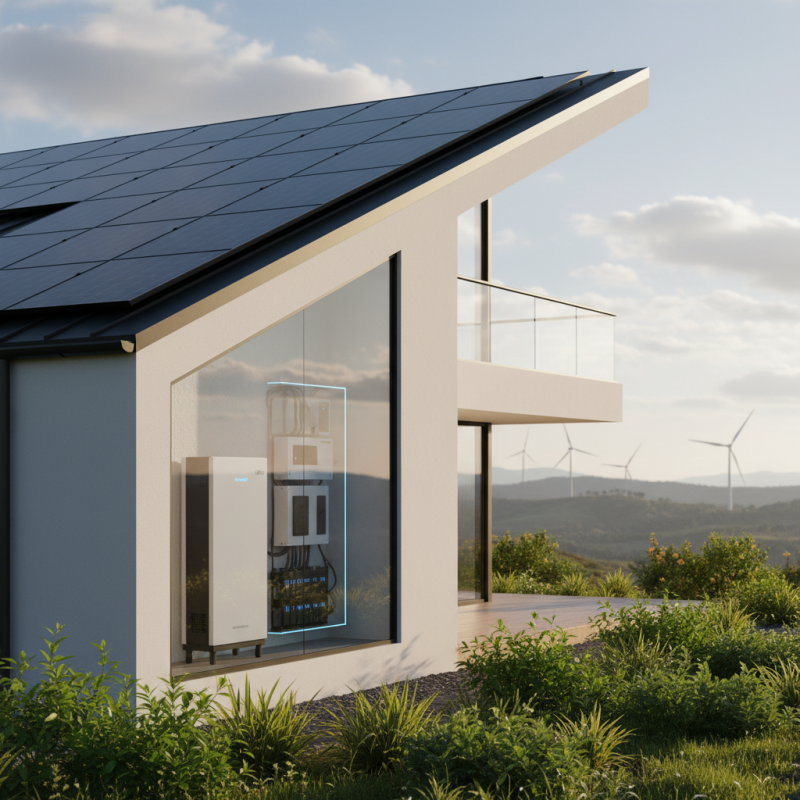
In 2026, the market for all-in-one home energy storage solutions has expanded significantly. Homeowners now have various options to consider. These solutions often combine solar panels, batteries, and management systems. This integration simplifies energy management and enhances efficiency.
One popular type is lithium-ion battery systems. These batteries are known for their efficiency and relatively small size. They discharge energy quickly and can recharge rapidly. However, they may require specific installation conditions. Homeowners should evaluate their space and energy needs.
Another option is lead-acid battery systems. While these are often cheaper, their lifespan is shorter. They also need more maintenance. This makes them less appealing for long-term investment.
Tips: Always check the warranty and lifespan of the battery system you choose. A longer warranty often indicates higher quality and reliability. Consider your household energy consumption carefully. This helps in selecting the right capacity for your needs.
While these solutions provide many benefits, they also come with some challenges. Installation can be complex, and the initial investment might be high. Researching various options and consulting experts can help in making informed decisions.
When selecting a home energy storage system, several factors come into play. One critical factor is capacity. This indicates how much energy the system can store. A family with high energy demands might require a larger capacity. Consider your daily energy usage and future needs. A system that seems sufficient today may not be enough in a few years.
Another important aspect is the system's efficiency. This refers to how well the battery can convert energy from solar panels into stored energy. Look for specifications that indicate round-trip efficiency. Systems with higher efficiency can result in lower energy costs over time. The charge and discharge rates are also crucial, especially during peak usage times.
Durability and warranty are often overlooked. How long will the system last? A good warranty often indicates a reliable product. Make sure to check the lifespan of the battery and the conditions covered in the warranty. A longer warranty might seem ideal, but it can also lead to higher upfront costs. Reflect on your budget and the potential value over time.
When selecting an all-in-one home energy storage solution, understanding capacity and efficiency is vital. Capacity describes how much energy a unit can store, typically measured in kilowatt-hours (kWh). For instance, a well-regarded report illustrates that the average capacity for residential systems ranges from 5kWh to 15kWh. Such figures guide users on whether the system meets their energy needs.
Efficiency refers to how effectively stored energy can be used. Consider round-trip efficiency, which indicates the percentage of energy stored that can be utilized later. Many systems claim efficiencies of over 90%. However, some reports highlight that real-world efficiency may fall short, often around 85%. Users must carefully analyze these metrics, as they directly impact cost-effectiveness and energy savings.
Some options offer scalable solutions, allowing homeowners to increase capacity as their energy demands grow. This flexibility brings value but may lead to overspending if not carefully planned. It’s crucial to evaluate long-term energy needs against the varying costs and benefits of different systems. Always review independent studies and user feedback to ensure reliable data drives your choice.
When considering home energy storage solutions, installation requirements vary significantly. Homeowners must evaluate their electrical system, space availability, and local building codes. Reliable installation typically requires a certified electrician to ensure safety and adherence to regulations. This step minimizes risks associated with improper installations, which can lead to costly mistakes.
Costs are another crucial factor. Expenses can fluctuate widely, depending on the system's capacity and installation complexity. Hidden fees might arise, such as permits or additional wiring, which require careful budgeting. Some homeowners find themselves underprepared for these additional costs, leading to financial strain. A detailed assessment of the total investment is essential to avoid unexpected surprises.
Understanding your energy needs plays a vital role in selecting a suitable solution. Oversizing or undersizing the system can lead to inefficiencies, impacting performance. Evaluating historical energy usage helps in making a more informed choice. Engaging with professional consultants can provide valuable insights. However, not all consultations lead to clear answers. This requires homeowners to balance advice with their unique circumstances and preferences.
| Feature | Description | Average Cost ($) | Installation Requirements |
|---|---|---|---|
| Storage Capacity | Typically ranges from 5kWh to 20kWh | 5,000 - 15,000 | Must match with home energy needs |
| Battery Type | Lithium-ion is most common | 3,000 - 10,000 | Requires specific inverter compatibility |
| Warranty Period | Usually 10 years | N/A | Verify warranty terms with provider |
| Installation Time | Typically takes 1-3 days | N/A | Requires professional technician |
| Monitoring Software | Most systems include app-based monitoring | Included in package | Smart device compatibility |
Choosing an all-in-one home energy storage solution involves careful consideration. Evaluating manufacturer reputation is crucial. Research the company's history. Check how long they have been in the market. A well-established manufacturer often indicates reliability. Customer reviews can provide insights into their performance.
Warranties are another important factor. A strong warranty can reflect the manufacturer's confidence in their product. Look for warranties that cover key components for several years. Some warranties might even offer performance guarantees. Understanding these terms helps reveal potential hidden issues. Not all warranties are created equal; some exclude common problems.
Finally, don’t overlook certifications. These validate the product's safety and efficiency. Products without certifications might expose you to risks. Take your time to weigh your options. Consider seeking professional advice for clarity. It’s wise to troubleshoot complexities before making a commitment. A comprehensive approach ensures you're making an informed decision about energy storage.
„Thanks to the LUVIR technology, the solder resist process could be switched directly from the previously used mask exposure to direct exposure. As an outstanding digital solution on the market, this technology has been able to demonstrate fast process times and superior quality on our certified conventional ink in production. This allowed us to fully digitize the solder mask process at low cost – without process or ink adjustments. An excellent benefit to our production in Rot am See.“
Ralf Göhringer (Head of Production WE Rot am See)
I would definitely recommend the Limata machine and team for a future company purchase
Michael Greenaway
Compunetics Inc.
“The Limata ldi has been amazing!! Best thing we did was buy this machine”
Richard Brady
GM
Circuitlabs
“Since 2019, we have been running the Limata X1000 LDI system (including LUVIR for solder mask imaging) in daily production as an addition to our current process with film. The machine was capable of properly exposing Taiyo PSR-4000 BN (DI) solder mask types on normal to high-copper boards using a new and unique direct imaging process. The machine operating interface is very user friendly which allowed for a quick technical training curve. The pre-registration processing reduced several seconds of production time at every print. Limata support and service staff is incomparable. They supported our team every step of the way at basically any time of the day or night, with literally, an immediate response time, customizing the software interface to best fit our Operations and needs.
We have exposed more than 8,000 prints since end of October, on various solder mask colors and some resist film panels. Limata, has proven to be very capable and innovative. They are a strong contender in the industry.
We have very much enjoyed this project, and working with the team!
Thank you Limata for the continued support and being a part of our growth.”
Bill Sezate
Vice President, GM
Summit Interconnect
As a replacement to our current contact exposure process with film, the LIMATA X2000 system including LUVIR-Technology was capable of properly exposing non-LDI solder mask types using a direct imaging process. The machine offers cutting edge software with a very intuitive operating interface which allowed for quick technician training curve. The dual drawer system combined with pre-registration processing reduced several seconds of production time at every machine cycle. Limata support and service staff is world class. They added software patches to keep production running at shortest possible response times, customized the software interface to best fit our in-house Operations system, and even wrote a step-by-step machine processing manual. As a result of the project, we have exposed more than 16,000 times on various product types and solder mask brands/colors. Limata, in a very short timeframe as a company, has definitely shown they are truly innovative and will be challenging the industry of direct imaging for the top spot.
Kevin Beattie
Process Engineer
TTM Technologies
Forest Grove Division
