Choosing the right Electrical Breakers is crucial for safety and efficiency. Electrical breakers serve as your first line of defense against overloads and short circuits. This guide will help you navigate through various options available in the market.
Consider factors like amperage, voltage ratings, and the type of electrical system in your home. Different electrical breakers suit different needs, and choosing one can be overwhelming. It’s about matching the breaker to your specific requirements. Reliable brands often offer better performance, so do your research and read reviews.
Many people overlook the importance of compatibility between breakers and your electrical panel. A mismatch can lead to significant issues. Additionally, always consult a professional if you are unsure about your choices. The safety of you and your family depends on having the right electrical breakers. Make informed decisions and ensure peace of mind.
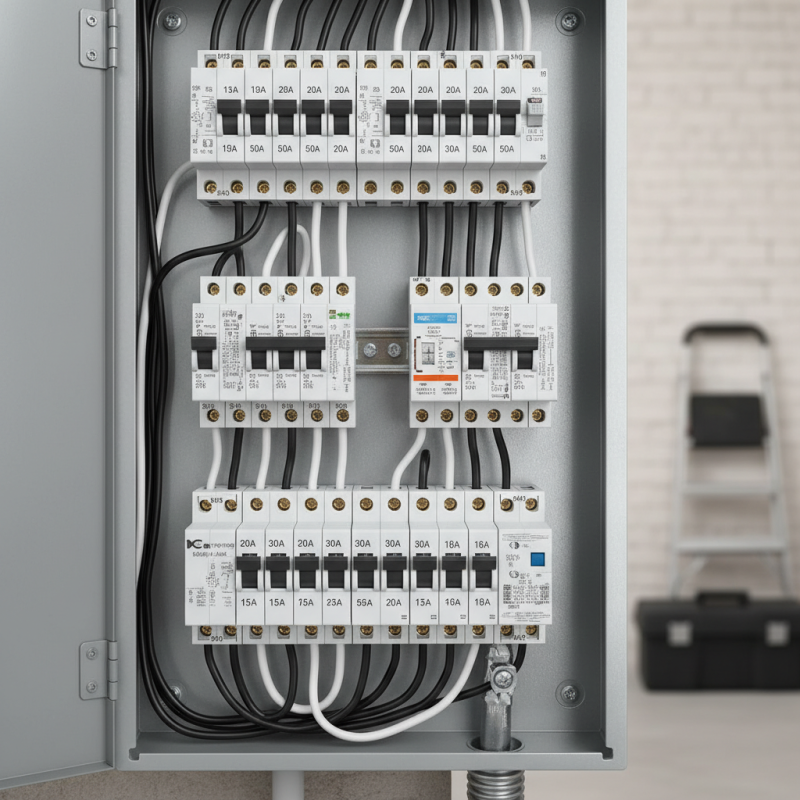
Understanding electrical breakers is crucial for safety and functionality in any electrical system. These devices are designed to protect circuits from overloads and short circuits. There are several types of electrical breakers. The two most common types are circuit breakers and fuse systems. Circuit breakers can be reset after tripping, while fuses must be replaced after blowing. Each serves its unique purpose, but understanding their differences is key.
Choosing the right breaker requires consideration of several factors. The amperage rating is vital. It determines how much current the breaker can handle. A breaker with too high a rating may not trip when it should. On the other hand, an undersized breaker can trip frequently, causing frustration. Additionally, consider the specific application. Residential and commercial settings often have different requirements. For instance, larger commercial spaces typically use more robust breakers to accommodate heavier loads.
Electrical safety is paramount. Regular checks of breakers can prevent potential hazards. Ideally, inspect for signs of wear or damage. This might include physical cracks or unusual noises. If you notice such signs, consult a professional electrician for advice. Relying on expertise can ensure proper installation and functioning of electrical systems. Selecting the right breaker is not just about compliance; it's about creating a safe environment for everyone.
When selecting electrical breakers, certain key factors are essential. Understanding your electrical load is crucial. According to the National Fire Protection Association (NFPA), improper load calculations contribute to 20% of electrical failures. Assess the amperage needed for your specific application. Consider peak loads as well as continuous demands. This assessment will help you select breakers that meet both safety and operational standards.
Next, think about the breaker type. There are several designs, each suited for different applications. For example, ground fault circuit interrupters (GFCIs) are vital in wet areas. Reports show that GFCIs reduce the risk of electrocutions by over 50%. Moreover, consider the trip settings. You want a breaker that trips under overload but remains reliable during normal fluctuations.
Finally, do not overlook safety ratings and certifications. Breakers should meet standards set by reputable organizations. Researching this information can prevent potential hazards. A well-informed choice can significantly enhance reliability. Reflect on past choices, and remember that the right breaker can safeguard both property and lives.
When evaluating electrical load requirements, it is crucial to consider your specific needs. Start by calculating the total wattage of the devices you plan to use. This includes lights, appliances, and electronics. Each device has its own power requirement. Take time to gather accurate data. Misestimating can lead to inadequate power supply.
Beyond wattage, think about peak demand. Some devices use more power at startup. These spikes can strain your electrical system. Consider adding a buffer to your calculations. It’s also wise to allow for future additions. You may want to expand your setup later.
Don't forget about safety. Improperly rated breakers can lead to hazards. Research and seek advice from professionals. They can guide you in matching breakers to your calculated load. Always prioritize reliability in your electrical choices. The right breaker protects both your devices and home.
When selecting electrical breakers, safety standards are paramount. These standards ensure that breakers function properly under fault conditions. Compliance is not just about following guidelines; it reflects a commitment to safety. Regular testing and certifications from recognized organizations help verify the reliability of electrical breakers.
Different regions have varied safety regulations. It's essential to research what applies before making a choice. For instance, UL standards in the U.S. provide a baseline for safety. Familiarizing yourself with these guidelines can prevent choosing a subpar product. Not every breaker complies, even if it appears to.
Reviewing installation practices is also crucial. An improperly installed breaker can fail, even if it meets all safety standards. Checking the compatibility with your existing electrical system is vital. Seek expert reviews or consult professionals during the selection process. Knowledge gaps can lead to oversights. This reflection on safety can shape better decisions.
When it comes to electrical breakers, maintenance is key. Regular inspections can help identify potential issues before they escalate. According to the National Fire Protection Association (NFPA), faulty breakers are a leading cause of electrical fires. This statistic alone highlights the importance of proactive maintenance.
Cleaning dust and debris from breakers can improve their longevity. Keep the surrounding area dry to prevent moisture buildup, as it can lead to rust and malfunction. An estimated 25% of electrical failures result from poor environmental conditions. It’s crucial to monitor the breaker environment regularly and make adjustments as needed.
Replacement is sometimes necessary. Breakers typically have a life span of about 10 to 30 years, depending on usage. Signs that replacement is needed include frequent tripping, visible wear, or unusual noise. It’s always better to err on the side of caution. Replacement of problematic breakers can significantly reduce risks and increase safety. Remember, electrical systems should always be handled by professionals to ensure compliance and safety.
| Breaker Type | Amp Rating | Voltage Rating | Application | Maintenance Frequency | Replacement Indicator |
|---|---|---|---|---|---|
| Single-Pole Circuit Breaker | 15A | 120V | Lighting Circuits | Every 6 months | Tripping Frequently |
| Double-Pole Circuit Breaker | 30A | 240V | Appliance Circuits | Annually | Visible Damage |
| GFCI Breaker | 20A | 120V | Wet Locations | Every 3 months | Failure to Reset |
| AFCI Breaker | 15A | 120V | Bedroom Circuits | Every 6 months | Frequent Nuisance Trips |
| Three-Pole Circuit Breaker | 50A | 480V | Industrial Equipment | Every 2 years | Inconsistent Performance |
„Thanks to the LUVIR technology, the solder resist process could be switched directly from the previously used mask exposure to direct exposure. As an outstanding digital solution on the market, this technology has been able to demonstrate fast process times and superior quality on our certified conventional ink in production. This allowed us to fully digitize the solder mask process at low cost – without process or ink adjustments. An excellent benefit to our production in Rot am See.“
Ralf Göhringer (Head of Production WE Rot am See)
I would definitely recommend the Limata machine and team for a future company purchase
Michael Greenaway
Compunetics Inc.
“The Limata ldi has been amazing!! Best thing we did was buy this machine”
Richard Brady
GM
Circuitlabs
“Since 2019, we have been running the Limata X1000 LDI system (including LUVIR for solder mask imaging) in daily production as an addition to our current process with film. The machine was capable of properly exposing Taiyo PSR-4000 BN (DI) solder mask types on normal to high-copper boards using a new and unique direct imaging process. The machine operating interface is very user friendly which allowed for a quick technical training curve. The pre-registration processing reduced several seconds of production time at every print. Limata support and service staff is incomparable. They supported our team every step of the way at basically any time of the day or night, with literally, an immediate response time, customizing the software interface to best fit our Operations and needs.
We have exposed more than 8,000 prints since end of October, on various solder mask colors and some resist film panels. Limata, has proven to be very capable and innovative. They are a strong contender in the industry.
We have very much enjoyed this project, and working with the team!
Thank you Limata for the continued support and being a part of our growth.”
Bill Sezate
Vice President, GM
Summit Interconnect
As a replacement to our current contact exposure process with film, the LIMATA X2000 system including LUVIR-Technology was capable of properly exposing non-LDI solder mask types using a direct imaging process. The machine offers cutting edge software with a very intuitive operating interface which allowed for quick technician training curve. The dual drawer system combined with pre-registration processing reduced several seconds of production time at every machine cycle. Limata support and service staff is world class. They added software patches to keep production running at shortest possible response times, customized the software interface to best fit our in-house Operations system, and even wrote a step-by-step machine processing manual. As a result of the project, we have exposed more than 16,000 times on various product types and solder mask brands/colors. Limata, in a very short timeframe as a company, has definitely shown they are truly innovative and will be challenging the industry of direct imaging for the top spot.
Kevin Beattie
Process Engineer
TTM Technologies
Forest Grove Division
