Choosing the right Filter Cartridges begins with understanding the fluid, not browsing a product list. Water, oil, chemicals, beverages, and compressed air each create different filtration demands. A cartridge that performs well in clean water may fail quickly in viscous oil. Worse, it may appear acceptable while allowing harmful particles through.
Dr. David W. Hand, a respected water-treatment researcher, explains, “A filter must be selected for the water, the process, and the goal—not by pore size alone.” That principle remains practical on a busy production floor. Operators should examine particle size, flow rate, temperature, pressure, chemical compatibility, and required cleanliness. A 5-micron rating alone says very little without knowing the testing method. Nominal and absolute ratings are not interchangeable.
Small details matter. A cartridge may fit the housing but still seal poorly. A high-capacity model may reduce replacement work, yet its initial cost can be higher. A finer filter may improve clarity, but it can also create pressure loss and increase energy use. Real operating data helps more than attractive specifications. Measure differential pressure. Record service life. Inspect the removed cartridge.
There is no perfect choice. Sometimes, the first selection is wrong. That is not failure; ignoring the evidence is. A reliable decision balances protection, operating cost, maintenance time, and product quality. This guide explores those factors carefully, helping readers choose Filter Cartridges that match actual process conditions rather than assumptions.
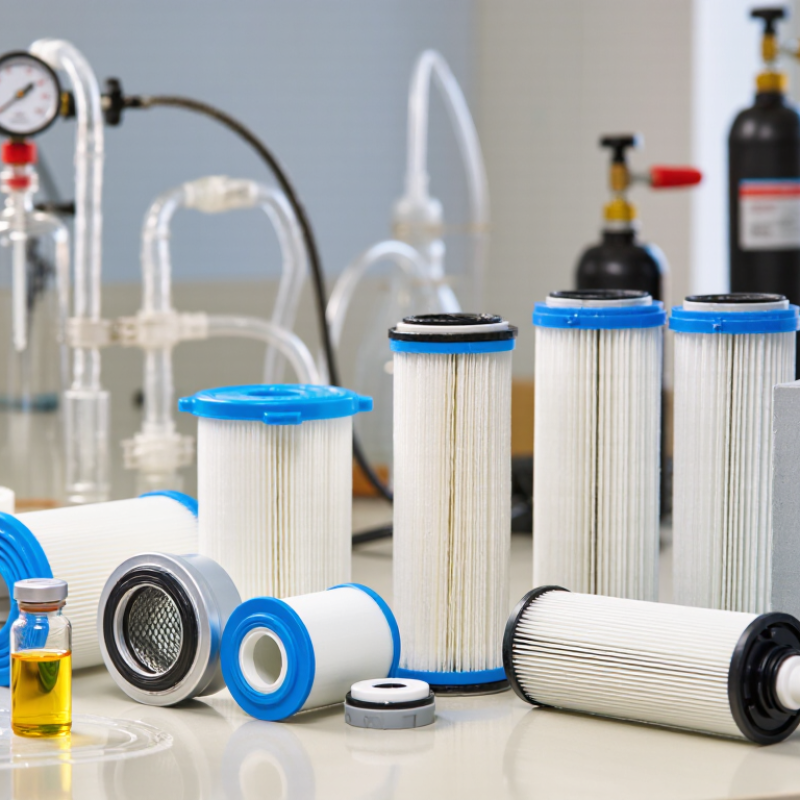
Choosing a filter cartridge starts with understanding how each type handles contamination. Pleated cartridges provide high dirt-holding capacity for water, chemicals, and process fluids. Depth cartridges trap particles throughout their structure, making them useful for cloudy liquids with changing contamination levels. Membrane cartridges offer finer separation when precise particle control matters. Activated carbon cartridges help reduce chlorine, odors, and certain organic compounds.
The application decides more than the micron rating. Check fluid compatibility, operating temperature, pressure, flow rate, and required cleanliness. A cartridge may look suitable but soften, swell, or release fibers in the wrong fluid. In maintenance reviews, unclear replacement intervals often cause pressure loss and unstable production. That detail is easy to miss.
Tips: Compare the cartridge material with the fluid before installation. Use a differential-pressure gauge when possible. Record inlet pressure, outlet pressure, and replacement dates. Verify test data from reliable technical documents, not only sales descriptions. A staged system may work better than one very fine cartridge, because early blockage can increase energy use.
Coarse prefiltration can protect a finer membrane downstream. For drinking-water or sensitive processes, confirm applicable safety requirements and validation records. Do not assume a smaller micron rating always means better performance. Field conditions can challenge laboratory results, and that deserves honest review.
Identifying contaminants is the real starting point for cartridge selection. Do not choose by size alone. Name the contaminant. Water may contain sand, rust, dissolved metals, oil, or microorganisms. Each requires a different treatment approach. Use a laboratory report when possible. If testing is unavailable, collect a clean sample and record its color, odor, source, and operating conditions. A cloudy sample gives useful clues, but it does not provide a complete diagnosis. This step is often overlooked.
Match the cartridge to the contaminant and the process. Size matters. For suspended solids, compare the micron rating with the particle size and expected pressure drop. Nominal ratings and absolute ratings do not offer the same level of control. Dissolved chemicals may require adsorption or another specialized medium. Microbial control requires validated performance, not a simple visual inspection. Check chemical compatibility, temperature, pH, viscosity, and flow rate. Materials can swell. Seal failure can follow.
Capacity also deserves careful attention. Estimate contaminant loading before choosing cartridge length or replacement intervals. During a trial, record inlet pressure, outlet pressure, flow, and operating hours. A cartridge that lasts unusually long may not be capturing enough material. I have seen selection decisions rely too heavily on clean-looking water. That assumption needs challenge. Independent test data and a small pilot run can reveal pressure loss, early blockage, or unexpected chemical incompatibility before full installation.
How to Choose the Right Filter Cartridges?
Matching Cartridge Materials to Fluid Compatibility
Filter cartridge material must match the fluid, temperature, pressure, and cleaning method. A suitable pore size is not enough. Polypropylene often works well with many aqueous fluids and mild chemicals. Nylon offers strength and useful compatibility with several water-based processes. Polyethersulfone is commonly selected when low protein binding matters. PTFE can resist aggressive chemicals, solvents, and gases, but its cost and wetting behavior need attention.
Check the complete fluid profile before selecting a cartridge. Record pH, concentration, operating temperature, exposure time, and flow rate. A cartridge may tolerate a chemical at room temperature but fail after repeated hot cleaning. Swelling, brittleness, discoloration, or a rising pressure drop can signal material stress. Small details matter. Even the housing, adhesive, and support layers may contact the fluid.
Compatibility charts are helpful, but they are not a final verdict. Practical testing should use the actual fluid, not only a laboratory substitute. Measure flow, extractables, pressure change, and cartridge integrity before full operation. For critical applications, request documented test data and review the supplier’s technical specifications. I have seen selection decisions rely too heavily on one chart. That shortcut can miss temperature cycling or mixed chemicals. When uncertainty remains, test a small batch under real conditions and inspect the cartridge afterward.
Choosing the right filter cartridge depends on more than the smallest particle you want to remove. Micron rating and flow capacity must work together. A cartridge rated at 1 micron may capture finer particles, but it can create higher pressure loss. That matters in pumps, housings, and continuous production lines.
Start by identifying the contaminant size and type. Use an absolute rating when consistent particle removal is critical. A nominal rating may be suitable for general prefiltration, but its performance can vary. Check the fluid’s viscosity and temperature, too. Thick fluids move slowly through tight media. Water and light liquids usually require less pressure. I have seen systems fail because operators selected ratings from water tests for a much heavier fluid.
Flow capacity should match the real operating range, not just the advertised maximum. Leave room for loading, temperature changes, and occasional flow surges. Compare the cartridge’s clean pressure drop with the system’s available pressure. Keep the pressure drop within the equipment maker’s safe limit. The first estimate is rarely perfect. Field conditions expose that quickly. Measure inlet and outlet pressure during operation, then adjust the cartridge length, surface area, or micron rating if needed. A larger cartridge often supports higher flow and longer service life. However, it may not solve a poor housing fit or an undersized pump. Check seals, connections, and replacement access before approving the final selection.
Choosing the right filter cartridge starts with the installation environment, not the label on the box. Confirm the housing size, flow direction, operating pressure, temperature, and liquid compatibility. Check the seal carefully. During installation, clean the housing, wet the gasket when permitted, and seat the cartridge without forcing it. An incorrectly fitted seal can create bypass, even when the cartridge appears clean. That small mistake matters.
When I inspect a working system, I look for pressure changes, reduced flow, unusual odors, and visible leakage. Record readings under similar conditions; otherwise, comparisons can mislead. Do not wait for failure. However, a pressure gauge alone is not enough. Some contaminants reduce performance without causing a dramatic pressure rise. Sampling, visual checks, and process records provide stronger evidence. Maintenance intervals should reflect water quality, duty cycles, and actual cartridge loading. Calendar-based replacement is convenient, but sometimes wasteful. That deserves review.
Replace the cartridge when performance falls, the approved service interval ends, or contamination is suspected. Follow the housing maker’s instructions and applicable sanitation requirements. Use clean gloves. Keep the removed cartridge sealed during disposal, especially when its contents are unknown. After replacement, inspect the seal, flush the system, and verify stable flow. I would not treat a clear outlet as proof of complete protection. Testing may still be necessary. Good records should include the date, cartridge type, readings, replacement reason, and installer observations. Missed details happen. Review them before the next service.
| Decision Area | What to Check | Practical Guidance | Useful Indicator |
|---|---|---|---|
| Application | Fluid, temperature, pressure, and flow rate | Confirm that the cartridge materials and housing are suitable for the process fluid and operating conditions. The cartridge must also support the required flow without creating excessive pressure loss. | Process-fluid compatibility, operating temperature, working pressure, and required flow rate |
| Filtration Objective | Particle removal or microbial control | Select the filtration level according to the required water or process quality. A finer rating can improve particle removal but may increase pressure drop and clogging frequency. | Required particle size, cleanliness target, and allowable pressure drop |
| Cartridge Type | Depth, pleated, membrane, or specialty construction | Use depth cartridges for distributed dirt holding, pleated cartridges for higher surface area, and membrane cartridges when tighter separation or validated microbial reduction is required. | Dirt-loading capacity, retention requirement, and validation needs |
| Dimensions | Length, diameter, end configuration, and sealing method | Match the cartridge dimensions and end style to the housing. Check whether the design uses flat gaskets, O-rings, a single open end, or another connection arrangement. | Physical fit, seal type, and correct seating in the housing |
| Installation | Housing cleanliness and cartridge orientation | Isolate and depressurize the system before installation. Clean the housing, inspect sealing surfaces, install the cartridge in the correct orientation, and avoid damaging the filter media or seals. | No visible damage, secure seating, and leak-free closure |
| Sealing | O-rings, gaskets, and contact surfaces | Inspect seals for cuts, flattening, swelling, or hardening. Replace damaged seals and use only a lubricant that is compatible with the seal material and process fluid. | No bypass, dripping, or seal deformation after start-up |
| Start-Up | Air removal, flushing, and gradual pressurization | Open valves gradually, remove trapped air where the housing design permits, and flush the cartridge according to the filtration process requirements before sending product or treated water forward. | Stable flow, clear outlet, and normal operating pressure |
| Routine Maintenance | Pressure differential and flow performance | Record inlet and outlet pressure, calculate the differential pressure, and compare readings with the system's established operating limit. A rising differential pressure commonly indicates loading or fouling. | Increasing differential pressure or decreasing flow at the same operating conditions |
| Inspection | Leaks, cracks, discoloration, and structural damage | Inspect the housing, clamps, fasteners, connections, cartridge surface, and seals during planned service. Do not continue using components that show damage or cannot maintain a reliable seal. | Visible defects, abnormal odor or color, or repeated leakage |
| Replacement Timing | Pressure limit, flow loss, quality change, or scheduled service | Replace the cartridge when the permitted differential pressure is reached, flow becomes inadequate, filtrate quality changes, or the approved service interval expires. Do not rely on calendar time alone when loading varies. | Differential-pressure limit, quality result, reduced flow, or approved time limit |
| Contamination Control | Hygiene, handling, and disposal procedure | Use clean handling practices, prevent contact with filtered surfaces, and dispose of used cartridges according to the contaminants present and applicable local requirements. | Documented handling procedure and controlled waste route |
| Documentation | Traceability and maintenance records | Record the cartridge specification, installation date, operating readings, replacement reason, and any abnormal observations. Consistent records help establish a realistic replacement schedule. | Complete service log and repeatable replacement criteria |
Note: Pressure limits, compatibility data, flushing requirements, and replacement criteria should always be confirmed against the applicable equipment documentation, process conditions, and local safety requirements.
„Thanks to the LUVIR technology, the solder resist process could be switched directly from the previously used mask exposure to direct exposure. As an outstanding digital solution on the market, this technology has been able to demonstrate fast process times and superior quality on our certified conventional ink in production. This allowed us to fully digitize the solder mask process at low cost – without process or ink adjustments. An excellent benefit to our production in Rot am See.“
Ralf Göhringer (Head of Production WE Rot am See)
I would definitely recommend the Limata machine and team for a future company purchase
Michael Greenaway
Compunetics Inc.
“The Limata ldi has been amazing!! Best thing we did was buy this machine”
Richard Brady
GM
Circuitlabs
“Since 2019, we have been running the Limata X1000 LDI system (including LUVIR for solder mask imaging) in daily production as an addition to our current process with film. The machine was capable of properly exposing Taiyo PSR-4000 BN (DI) solder mask types on normal to high-copper boards using a new and unique direct imaging process. The machine operating interface is very user friendly which allowed for a quick technical training curve. The pre-registration processing reduced several seconds of production time at every print. Limata support and service staff is incomparable. They supported our team every step of the way at basically any time of the day or night, with literally, an immediate response time, customizing the software interface to best fit our Operations and needs.
We have exposed more than 8,000 prints since end of October, on various solder mask colors and some resist film panels. Limata, has proven to be very capable and innovative. They are a strong contender in the industry.
We have very much enjoyed this project, and working with the team!
Thank you Limata for the continued support and being a part of our growth.”
Bill Sezate
Vice President, GM
Summit Interconnect
As a replacement to our current contact exposure process with film, the LIMATA X2000 system including LUVIR-Technology was capable of properly exposing non-LDI solder mask types using a direct imaging process. The machine offers cutting edge software with a very intuitive operating interface which allowed for quick technician training curve. The dual drawer system combined with pre-registration processing reduced several seconds of production time at every machine cycle. Limata support and service staff is world class. They added software patches to keep production running at shortest possible response times, customized the software interface to best fit our in-house Operations system, and even wrote a step-by-step machine processing manual. As a result of the project, we have exposed more than 16,000 times on various product types and solder mask brands/colors. Limata, in a very short timeframe as a company, has definitely shown they are truly innovative and will be challenging the industry of direct imaging for the top spot.
Kevin Beattie
Process Engineer
TTM Technologies
Forest Grove Division
