Choosing the right Screw Fasteners for your project is crucial for ensuring stability and longevity. According to a recent industry report by TechNavio, the global screw fasteners market is projected to reach $85 billion by 2026, highlighting its significance in manufacturing. This growth reflects the increasing demand across various sectors, including automotive and construction.
Expert in fastener technology, Dr. John Smith, states, “Selecting the proper screw fastener can make or break a project.” This emphasizes the importance of material, size, and thread type. Selecting inappropriate fasteners can lead to product failure, compromising safety and performance.
Understanding your specific needs in screw fasteners can seem overwhelming. There are dozens of materials, sizes, and coatings available. Each choice affects durability and corrosion resistance. Mistakes in selection can lead to costly repairs and project delays. Therefore, careful consideration and expert guidance are essential for optimizing your fastener choices.
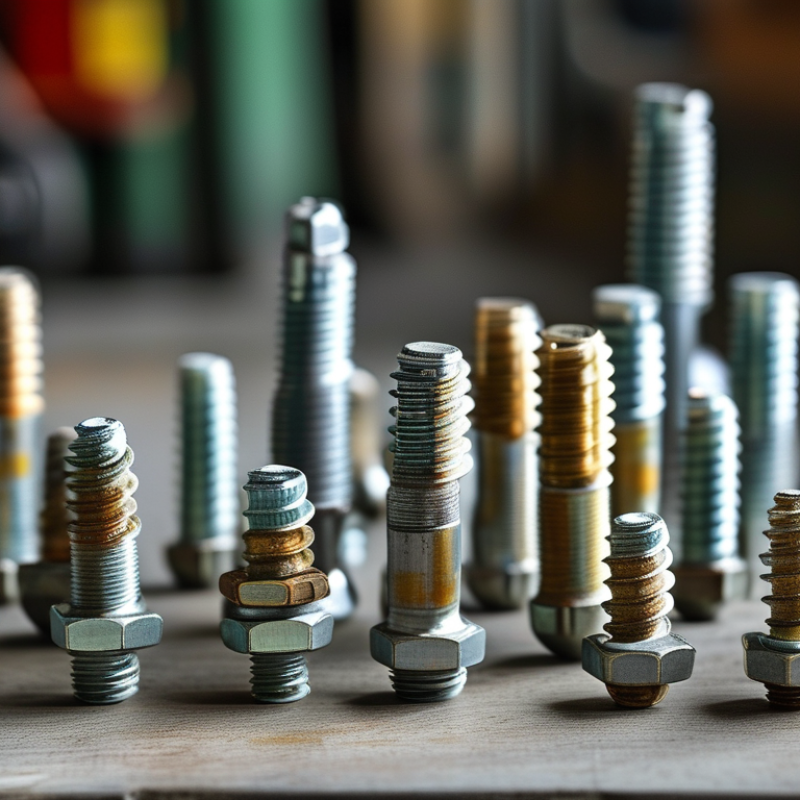
Screw fasteners come in various types, each designed for specific applications. Wood screws, for instance, are ideal for fastening together wooden components. They have deep threads that provide strong holding power in wood. Self-tapping screws, on the other hand, are engineered to create their own hole as they are driven in. This feature simplifies installation in metal or plastic materials.
Then there are machine screws, which are frequently used in securing machinery parts. These screws require nuts or female threads to properly fasten. They are made from robust materials like stainless steel to withstand stress. Lag screws, noted for their heavy-duty capability, are common in construction. Their large size and unique thread structure offer incredible strength for securing wooden beams.
It's crucial to match the screw type to your application for optimal performance. Selecting the wrong fastener can lead to structural failures. Always consider the materials and load requirements before choosing. Not every screw will fit every scenario. The variety can be overwhelming at times, and even experienced professionals may not always get it right. Choosing fasteners is as much an art as it is a science.
When selecting screw fasteners, consider the material type. Screws come in various materials like stainless steel, brass, or plastic. Each has its own application. For example, stainless steel is corrosion-resistant, ideal for outdoor use. Brass offers good aesthetics and is suitable for light-duty applications. Plastic screws are lightweight and work well in non-load-bearing scenarios.
Pay attention to screw size and thread pitch. A mismatch can lead to poor fastening. The right size ensures a secure hold, while the thread type affects the screw's grip. Coarse threads work best in softer materials, while fine threads provide better tension in harder surfaces.
Think about the specific application requirements. Do you need waterproof screws? Or perhaps those that resist high temperatures? Every detail matters. Reflecting on these needs helps you make informed choices. Sometimes, the decision may not be straightforward. Testing different options can reveal the best fit for your project.
When selecting screw fasteners, the material plays a crucial role. Common options include stainless steel, carbon steel, and aluminum. Stainless steel is known for its corrosion resistance, making it ideal for outdoor and marine applications. However, its increased cost might be a drawback for some users. Carbon steel offers strength and durability. It is often treated to enhance resistance to wear, but it can rust without a protective coating.
Aluminum screws are lightweight and resistant to corrosion. They are perfect for lightweight applications but may not provide the strength needed for heavy-duty tasks. Consider also specialty materials like brass and nylon. Brass is aesthetically pleasing and resists corrosion, but it is softer and may not hold up in high-stress scenarios. Nylon screws are non-corrosive and electrically insulating, which can be beneficial in electronic applications.
Choosing the right material requires careful thought. Evaluate your specific needs and the environment in which the fasteners will be used. Sometimes the best choice isn't the most obvious one. Inconsistent performance in varying conditions can lead to failure. It’s essential to weigh the benefits against potential drawbacks. Every application is unique, and finding the right fit is part of the journey.
Choosing the right screw fastener is crucial for any project. One integral aspect to consider is screw sizes and thread types. Various reports indicate that improper selection of screws can lead to structural failures or project inefficiencies. A study by the Fastener Quality Act reveals that about 30% of fastener failures result from incorrect thread types.
For example, screws come in different diameters and lengths, measured in inches or millimeters. A screw’s diameter typically affects its load-bearing capacity. Common sizes range from #0 (1.4 mm) to 1 inch in diameter. The length can vary significantly, from 1/4 inch to several inches. Choosing the correct size not only ensures proper fit but also enhances the overall strength of the assembly. It's essential to know the specifications needed for your specific application.
Thread types also play a critical role. There are coarse, fine, and extra fine threads, each serving distinct purposes. Coarse threads are better for soft materials, while fine threads are ideal for harder substrates. Nevertheless, many still overlook these nuances. This oversight can lead to stripped threads or loose connections. The failure to match thread type with material is a recurring issue in fastener applications. Understanding these details helps prevent costly mistakes and ensures long-lasting results.
When installing screw fasteners, proper practices are essential for longevity and performance. Start by selecting the right type of fastener for your material. For wood, use coarse-thread screws. For metal, lean towards fine-thread options. Pre-drilling is often necessary. It helps prevent the material from splitting and ensures a snug fit.
During installation, make sure to apply even pressure. Avoid overtightening, which can lead to stripped threads. Proper torque is key. Use a torque wrench to achieve optimal tightness without damaging the screw or the material. Regularly check installations for signs of loosening. This could indicate wear or improper installation.
Maintenance is crucial. Keep screws free from corrosion by using protective coatings or finishes. Check for rust on exposed screws regularly. If you notice any deterioration, replace the screw immediately. Remember, even well-installed screws may fail if neglected. Reflect on your practices periodically. Improvement is always possible in any project.
„Thanks to the LUVIR technology, the solder resist process could be switched directly from the previously used mask exposure to direct exposure. As an outstanding digital solution on the market, this technology has been able to demonstrate fast process times and superior quality on our certified conventional ink in production. This allowed us to fully digitize the solder mask process at low cost – without process or ink adjustments. An excellent benefit to our production in Rot am See.“
Ralf Göhringer (Head of Production WE Rot am See)
I would definitely recommend the Limata machine and team for a future company purchase
Michael Greenaway
Compunetics Inc.
“The Limata ldi has been amazing!! Best thing we did was buy this machine”
Richard Brady
GM
Circuitlabs
“Since 2019, we have been running the Limata X1000 LDI system (including LUVIR for solder mask imaging) in daily production as an addition to our current process with film. The machine was capable of properly exposing Taiyo PSR-4000 BN (DI) solder mask types on normal to high-copper boards using a new and unique direct imaging process. The machine operating interface is very user friendly which allowed for a quick technical training curve. The pre-registration processing reduced several seconds of production time at every print. Limata support and service staff is incomparable. They supported our team every step of the way at basically any time of the day or night, with literally, an immediate response time, customizing the software interface to best fit our Operations and needs.
We have exposed more than 8,000 prints since end of October, on various solder mask colors and some resist film panels. Limata, has proven to be very capable and innovative. They are a strong contender in the industry.
We have very much enjoyed this project, and working with the team!
Thank you Limata for the continued support and being a part of our growth.”
Bill Sezate
Vice President, GM
Summit Interconnect
As a replacement to our current contact exposure process with film, the LIMATA X2000 system including LUVIR-Technology was capable of properly exposing non-LDI solder mask types using a direct imaging process. The machine offers cutting edge software with a very intuitive operating interface which allowed for quick technician training curve. The dual drawer system combined with pre-registration processing reduced several seconds of production time at every machine cycle. Limata support and service staff is world class. They added software patches to keep production running at shortest possible response times, customized the software interface to best fit our in-house Operations system, and even wrote a step-by-step machine processing manual. As a result of the project, we have exposed more than 16,000 times on various product types and solder mask brands/colors. Limata, in a very short timeframe as a company, has definitely shown they are truly innovative and will be challenging the industry of direct imaging for the top spot.
Kevin Beattie
Process Engineer
TTM Technologies
Forest Grove Division
