The Hydraulic Directional Control Valve is a crucial component in hydraulic systems. This device directs fluid flow, allowing machines to operate efficiently. As hydraulic expert Dr. John Smith states, “A well-functioning hydraulic directional control valve can change the game in precision engineering.” His insights highlight the valve's importance in controlling various machinery functions.
In hydraulic applications, the directional control valve influences performance significantly. It can determine the movement direction of hydraulic actuators and regulate fluid flow. Understanding its mechanism helps engineers design systems that are both effective and reliable. While many systems operate smoothly, the potential for malfunction exists. Regular maintenance and testing are essential for optimal performance.
Despite advancements, some challenges remain in hydraulic systems. Users often overlook the importance of these valves until issues arise. Therefore, evaluating the Hydraulic Directional Control Valve's conditions is critical for sustained operation. Engaging with industry experts can improve system reliability and efficiency.
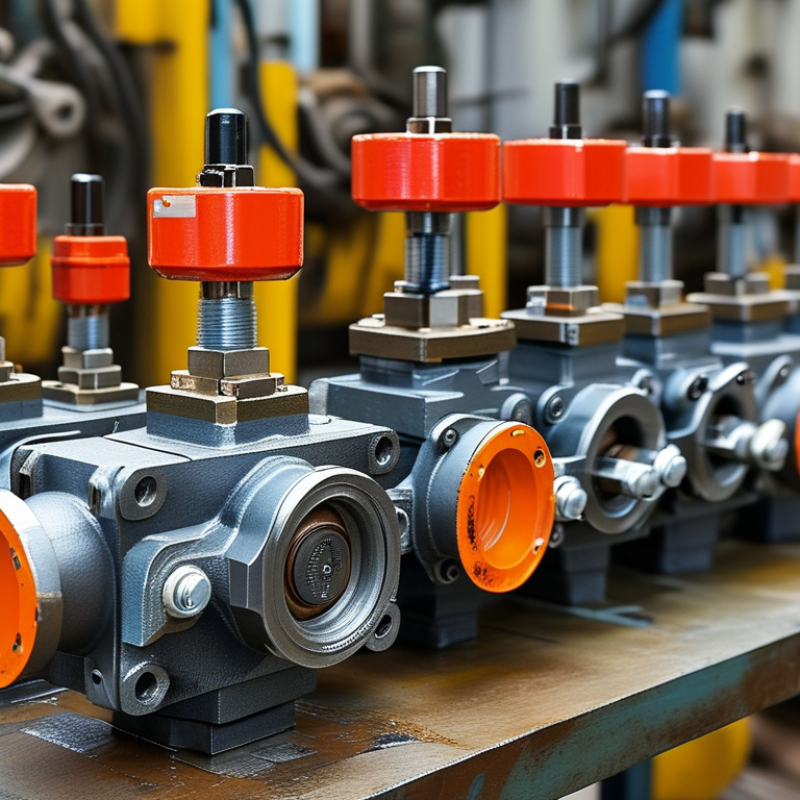
A hydraulic directional control valve is a vital component in fluid power systems. It directs the flow of hydraulic fluid to various actuators or components. This functionality is essential in machinery, ensuring efficient operation. According to industry reports, these valves can optimize performance by up to 30%, enhancing energy use in hydraulic setups.
Typically, directional control valves feature various ports and actuators. The most common configurations include 2-way, 3-way, and 4-way valves. Each of these controls fluid in different ways. For example, a 4-way valve is crucial in systems that require complex movements, such as hydraulic cylinders. Many operators overlook the importance of selecting the right valve type, which can lead to reduced efficiency and potential system failures.
Understanding the operation of these valves is crucial. They utilize spool mechanisms to control flow paths. These spools can be manually operated or automated using solenoids. Improper adjustments or malfunctions can lead to unanticipated movement or system inefficiencies. Maintenance strategies should include regular checks for leaks and proper alignment to ensure longevity and reliability. This attention to detail can prevent costly breakdowns and enhance overall system performance.
Hydraulic directional control valves are essential in hydraulic systems. They direct fluid flow to different actuators. Understanding their key components is crucial for effective functioning.
The main components include the spool, actuator, and spring. The spool controls the flow paths. It moves inside the valve body. The actuator, often hydraulic, moves the spool based on input signals. Springs ensure the spool returns to a neutral position when not activated.
Tips: Regular maintenance of these parts enhances performance. Check for wear and tear. Replace worn seals promptly to avoid leaks. Keep the system clean to prevent dirt accumulation, which can cause malfunctions.
People often overlook the importance of proper calibration. An improperly calibrated valve can lead to erratic flow and damage. Adjustments should be tested thoroughly. Furthermore, ensure compatibility of the valve with the rest of your hydraulic system. This attention to detail can prevent future complications.
Hydraulic directional control valves are essential components in hydraulic systems. They direct the flow of hydraulic fluid and control the movement of actuators. There are several types of these valves, and each serves a unique purpose. Common types include spool valves, poppet valves, and rotary valves. Each type has distinct structures and applications.
Spool valves are popular for their versatility. They have a sliding spool that moves to open or block different ports. This design allows for multiple paths of fluid flow, making them ideal for complex machines. Poppet valves, on the other hand, function like a light switch. They either fully open or close, providing clear flow control. They are simpler and often used for basic applications. Rotary valves utilize a rotating mechanism to manage flow, often seen in applications requiring precise control.
Understanding these different types is crucial. Each valve has a specific function and must be chosen based on the application needs. Mistakes in selecting a valve can lead to inefficiencies or damage. Therefore, proper knowledge and application are essential in hydraulic system design.
Hydraulic directional control valves are crucial in directing fluid flow within a hydraulic system. These valves ensure the correct operation of hydraulic components, such as cylinders and motors. They manage the flow path, allowing for precise control over machinery movement.
The operating principles of these valves are based on the concept of changing the direction of hydraulic fluid. When activated, the valve shifts to open or close specific flow paths. This action can occur using manual levers, solenoids, or pilot pressure. Each method affects how quickly and accurately the valve responds.
A common challenge is ensuring the valve operates smoothly over time. Wear and tear can lead to inefficiencies. Regular maintenance is essential to keep the system performing well. Users should remain vigilant for signs of leakage or sticking, which can impact the overall performance. Understanding these nuances can help in troubleshooting issues effectively, and it serves as a reminder of the importance of regular inspection in hydraulic systems.
This chart illustrates the flow rate (in liters per minute) of various hydraulic directional control valves (Valve A, Valve B, Valve C, Valve D) tested at different pressure levels (in bar).
Hydraulic directional control valves play a crucial role in many industries. They manage the flow of hydraulic fluid to various actuators and tools. These valves can change the direction of flow in a hydraulic system, allowing for better control of machinery. For example, in construction, these valves enable heavy equipment, like excavators, to move efficiently. Operators can manipulate levers to adjust movements, achieving precise control over heavy loads.
In manufacturing, these valves are essential for automated machines. They change the flow direction quickly and accurately. This ensures the machinery operates smoothly. However, not all systems work perfectly. Some may experience leaks or failures over time. Routine maintenance is often necessary to avoid costly downtime. The performance of these valves can vary based on installation and environmental conditions.
In agriculture, hydraulic directional control valves are essential for tractors and other equipment. They help in lifting, plowing, and tilling. These applications enhance productivity and efficiency. Still, the design of these valves can be complex. This complexity may lead to operational challenges. Users must understand the system thoroughly. Proper training and knowledge will lead to better outcomes in various applications.
„Thanks to the LUVIR technology, the solder resist process could be switched directly from the previously used mask exposure to direct exposure. As an outstanding digital solution on the market, this technology has been able to demonstrate fast process times and superior quality on our certified conventional ink in production. This allowed us to fully digitize the solder mask process at low cost – without process or ink adjustments. An excellent benefit to our production in Rot am See.“
Ralf Göhringer (Head of Production WE Rot am See)
I would definitely recommend the Limata machine and team for a future company purchase
Michael Greenaway
Compunetics Inc.
“The Limata ldi has been amazing!! Best thing we did was buy this machine”
Richard Brady
GM
Circuitlabs
“Since 2019, we have been running the Limata X1000 LDI system (including LUVIR for solder mask imaging) in daily production as an addition to our current process with film. The machine was capable of properly exposing Taiyo PSR-4000 BN (DI) solder mask types on normal to high-copper boards using a new and unique direct imaging process. The machine operating interface is very user friendly which allowed for a quick technical training curve. The pre-registration processing reduced several seconds of production time at every print. Limata support and service staff is incomparable. They supported our team every step of the way at basically any time of the day or night, with literally, an immediate response time, customizing the software interface to best fit our Operations and needs.
We have exposed more than 8,000 prints since end of October, on various solder mask colors and some resist film panels. Limata, has proven to be very capable and innovative. They are a strong contender in the industry.
We have very much enjoyed this project, and working with the team!
Thank you Limata for the continued support and being a part of our growth.”
Bill Sezate
Vice President, GM
Summit Interconnect
As a replacement to our current contact exposure process with film, the LIMATA X2000 system including LUVIR-Technology was capable of properly exposing non-LDI solder mask types using a direct imaging process. The machine offers cutting edge software with a very intuitive operating interface which allowed for quick technician training curve. The dual drawer system combined with pre-registration processing reduced several seconds of production time at every machine cycle. Limata support and service staff is world class. They added software patches to keep production running at shortest possible response times, customized the software interface to best fit our in-house Operations system, and even wrote a step-by-step machine processing manual. As a result of the project, we have exposed more than 16,000 times on various product types and solder mask brands/colors. Limata, in a very short timeframe as a company, has definitely shown they are truly innovative and will be challenging the industry of direct imaging for the top spot.
Kevin Beattie
Process Engineer
TTM Technologies
Forest Grove Division
