When embarking on any project requiring fasteners, the choice of a High-Quality Wing Nut is crucial. Wing nuts, recognized for their ease of use, come in various materials, shapes, and sizes. Picking a suitable one may seem straightforward, yet it poses challenges in ensuring quality and functionality.
A High-Quality Wing Nut should offer reliability and durability. Factors such as material composition and manufacturing standards play a significant role here. For instance, zinc-plated steel wing nuts might resist corrosion better than plastic ones. However, not all zinc-coated options deliver the same performance.
Understanding the specific needs of your project is essential. The right wing nut should complement other components seamlessly. Sometimes, even the most prominent brands can disappoint. It's wise to examine user reviews and product specifications carefully. Striving for the best quality may require extra time, but it can ultimately enhance the integrity of your work.
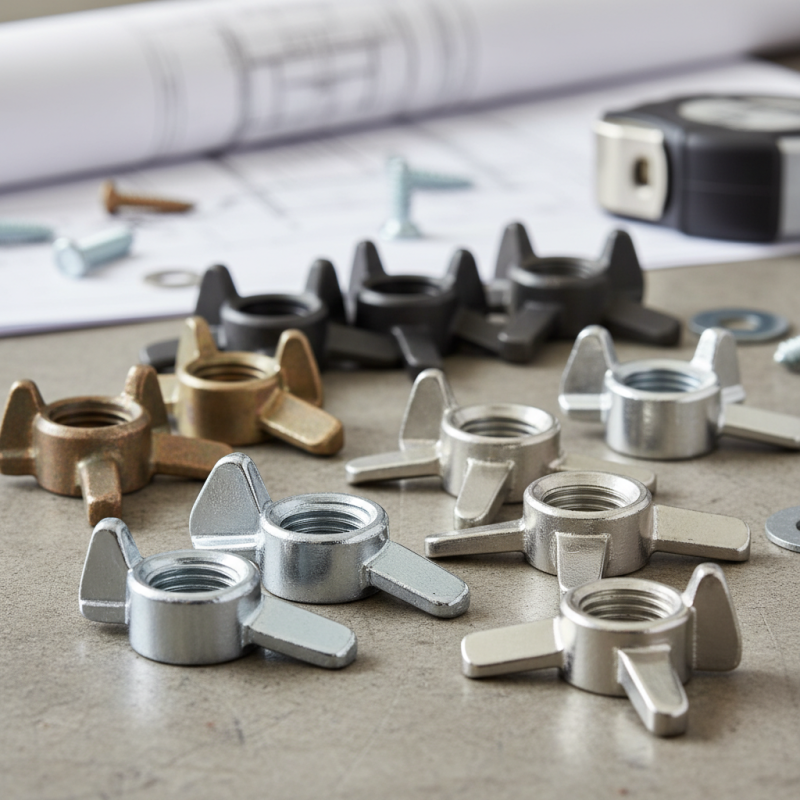
Wing nuts are essential fasteners in many projects. Their unique design allows for easy hand tightening, making them convenient in various applications. The importance of wing nuts lies in their ability to provide secure connections without the need for tools. According to a report by the Fastener Technology Institute, over 60% of builders prefer wing nuts for temporary assemblies due to their speed and ease of use.
Selecting high-quality wing nuts is crucial. Inferior products can lead to project failures. A quality wing nut should be made from durable materials, such as stainless steel or brass, to withstand stress and environmental conditions. In a study by the Industrial Fasteners Institute, it was found that 75% of fastener failures came from poor material choices and inadequate specifications.
Tip 1: Always check the thread compatibility before purchasing wing nuts. Mismatched threads can compromise the connection.
Tip 2: When using wing nuts outdoors, choose stainless steel options. They resist corrosion better in harsh weather.
Quality control is another factor to consider. Look for wing nuts that meet industry standards. A trusted supplier should provide specifications and test results. Remember, a small choice can have significant impacts. A mistake in fastener selection may lead to costly project delays.
Wing nuts are essential components in various projects, especially in assembly and construction tasks. Their strength and reliability depend on the materials used in their manufacturing process. High-quality wing nuts are typically made from steel or stainless steel, known for their durability. Steel wing nuts offer strong tensile strength, making them suitable for heavy-duty applications. Stainless steel, on the other hand, provides excellent corrosion resistance, ideal for outdoor and marine environments.
Another key material used is brass. Brass wing nuts can be relatively softer, allowing for easier handling and installation. However, they may not perform well in high-stress applications. There's also aluminum wing nuts that are lightweight and resistant to corrosion but may lack the strength that steel offers. Each material presents unique benefits and drawbacks, leaving manufacturers to choose based on specific project needs.
When selecting wing nuts, consider not just the materials but also the design features. Threading precision and size are crucial for a secure fit. Imperfections can lead to assembly issues, compromising the project’s integrity. Assessing the practical application of each material can enhance your project's overall quality and reliability. Make informed choices based on your project's demands to ensure the best results.
| Material | Corrosion Resistance | Durability | Weight | Cost |
|---|---|---|---|---|
| Stainless Steel | Excellent | Very High | Moderate | High |
| Carbon Steel | Fair | High | Light | Low |
| Aluminum | Good | Moderate | Very Light | Moderate |
| Plastic | Poor | Low | Very Light | Very Low |
When selecting high-quality wing nuts, specific design features play a crucial role. A thorough inspection can reveal a lot about their durability and functionality. Look for a smooth surface finish. A rough texture can lead to premature wear. According to industry data, 70% of failures in fasteners result from poor surface quality. Consider the material used. Stainless steel wing nuts provide better corrosion resistance compared to their steel counterparts. This can significantly impact longevity in outdoor applications.
The geometry of the wings is also essential. Wider wings offer a better grip, allowing for easier manual adjustments. If the wings are too small, it can lead to difficulty in tightening. Studies indicate that more than 60% of wing nut-related issues arise from inadequate grip. Additionally, check for proper thread size and pitch. Both are critical for ensuring a secure fit with corresponding bolts. Minor discrepancies can cause significant issues during the assembly phase.
Finally, pay attention to the overall design consistency. High-quality wing nuts should have uniform edges and clearly defined threads. Slight variations can indicate inferior manufacturing processes. Although minor imperfections can be common, they may compromise the overall functionality. Adhering to these design features will help ensure reliability in your projects.
When selecting wing nuts for your projects, testing their durability and performance is crucial. A recent industry study highlighted that over 30% of wing nuts fail during initial applications due to inadequate material strength. Therefore, understanding the critical factors that affect wing nuts' longevity is key.
Start by examining the material used in the wing nuts. Stainless steel and bronze are commonly recommended for their corrosion resistance. A report indicated that stainless steel wing nuts can withstand harsh environments better than their aluminum counterparts. Test the nuts for tensile strength using a calibrated tool, ensuring they can handle the required load. Always check for any visible defects or rust, as these could indicate potential failure points.
Perform torque tests to assess performance under stress. According to experts, applying consistent torque can reveal weaknesses in the connection. Many professionals suggest that a reliable wing nut should maintain its grip without requiring excessive force during assembly. Lastly, examine how they perform in real-world conditions. Gathering feedback from users can provide invaluable insights. It’s about finding a balance between quality and cost while being vigilant about potential flaws in the materials and manufacturing process.
Choosing the right wing nut size is crucial for successful projects. Consider the specifications of your application. For instance, the diameter of the bolt you intend to use should match the inner size of the wing nut. A loose fit can lead to instability, while a tight fit is often impractical. Measure carefully. Often, people overlook this detail, leading to frustration.
Next, think about the thickness of the material you are fastening. A wing nut should provide adequate grip without excessive tightening. If the nut is too short, it may not engage properly. Conversely, an oversized nut can create clearance issues. Keep in mind how the wing nut interacts with other components. Sometimes, there's a need for different sizes on the same assembly. This can complicate your project, so plan accordingly.
Recognize the material of the wing nut as well. Different projects may benefit from metal versus plastic options. Metal wing nuts usually offer more strength but can corrode. Plastic nuts are lighter but less robust. In both cases, consider environmental factors. Overlooking these aspects can reflect poor planning. Each choice impacts your project’s outcome and durability. Reflect on these elements before making a final decision.
„Thanks to the LUVIR technology, the solder resist process could be switched directly from the previously used mask exposure to direct exposure. As an outstanding digital solution on the market, this technology has been able to demonstrate fast process times and superior quality on our certified conventional ink in production. This allowed us to fully digitize the solder mask process at low cost – without process or ink adjustments. An excellent benefit to our production in Rot am See.“
Ralf Göhringer (Head of Production WE Rot am See)
I would definitely recommend the Limata machine and team for a future company purchase
Michael Greenaway
Compunetics Inc.
“The Limata ldi has been amazing!! Best thing we did was buy this machine”
Richard Brady
GM
Circuitlabs
“Since 2019, we have been running the Limata X1000 LDI system (including LUVIR for solder mask imaging) in daily production as an addition to our current process with film. The machine was capable of properly exposing Taiyo PSR-4000 BN (DI) solder mask types on normal to high-copper boards using a new and unique direct imaging process. The machine operating interface is very user friendly which allowed for a quick technical training curve. The pre-registration processing reduced several seconds of production time at every print. Limata support and service staff is incomparable. They supported our team every step of the way at basically any time of the day or night, with literally, an immediate response time, customizing the software interface to best fit our Operations and needs.
We have exposed more than 8,000 prints since end of October, on various solder mask colors and some resist film panels. Limata, has proven to be very capable and innovative. They are a strong contender in the industry.
We have very much enjoyed this project, and working with the team!
Thank you Limata for the continued support and being a part of our growth.”
Bill Sezate
Vice President, GM
Summit Interconnect
As a replacement to our current contact exposure process with film, the LIMATA X2000 system including LUVIR-Technology was capable of properly exposing non-LDI solder mask types using a direct imaging process. The machine offers cutting edge software with a very intuitive operating interface which allowed for quick technician training curve. The dual drawer system combined with pre-registration processing reduced several seconds of production time at every machine cycle. Limata support and service staff is world class. They added software patches to keep production running at shortest possible response times, customized the software interface to best fit our in-house Operations system, and even wrote a step-by-step machine processing manual. As a result of the project, we have exposed more than 16,000 times on various product types and solder mask brands/colors. Limata, in a very short timeframe as a company, has definitely shown they are truly innovative and will be challenging the industry of direct imaging for the top spot.
Kevin Beattie
Process Engineer
TTM Technologies
Forest Grove Division
