Choosing among the top evaporator manufacturers for global buyers requires more than comparing prices and catalogue capacities. The right supplier must match the process, product sensitivity, plant location, and maintenance reality. In practice, a stainless-steel evaporator can look impressive on paper yet perform poorly when fouling, steam quality, or cleaning access receives little attention. Small details matter.
Warren L. McCabe, a respected chemical engineering authority, wrote, “The purpose of evaporation is to concentrate a solution consisting of a nonvolatile solute and a solvent.” This principle still guides responsible equipment selection. Modern Evaporation Evaporators may use falling-film, rising-film, forced-circulation, or mechanical vapor recompression designs. Each option brings different energy, viscosity, residence-time, and operating-cost implications.
No ranking is perfect. Buyer priorities differ. A dairy processor may value gentle heating and hygienic design, while a chemical producer may require high vacuum performance and corrosion resistance. Global buyers should examine factory testing, material certificates, heat-transfer data, control-system quality, spare-parts support, and documented customer references. Ask how the manufacturer handles commissioning across time zones. Ask who responds when production stops at 2 a.m.
Reliable manufacturers explain limitations instead of promising universal efficiency. Their engineers connect laboratory trials with full-scale performance. They also describe cleaning procedures clearly, including dead-leg risks, gasket replacement, and inspection intervals. This guide introduces leading manufacturers through a practical lens, not a promotional one. The final choice should rest on verified evidence, process trials, lifecycle cost, and realistic service commitments. Supplier reputation helps. It never replaces technical due diligence.
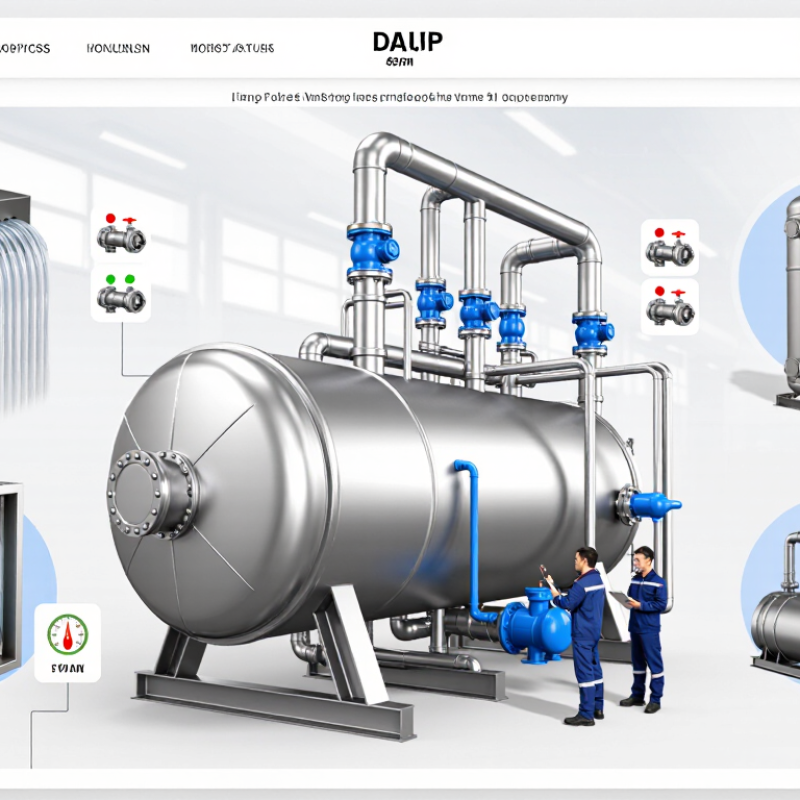
Top Evaporator Manufacturers for Global Buyers?
Evaporator Types and Their Main Industrial Applications
Evaporators remove water or other solvents by applying controlled heat. Their design strongly affects product quality, energy use, and maintenance demands. Falling-film evaporators suit temperature-sensitive liquids, such as fruit juice, dairy concentrates, and botanical extracts. Liquid flows downward as a thin film over heated tubes. Short residence time helps protect color and flavor.
Rising-film units work well with low-viscosity liquids and stable boiling behavior. Forced-circulation evaporators handle concentrated, viscous, or easily crystallized fluids. A pump drives liquid through the heating chamber, reducing local overheating. These systems often serve chemical processing, mineral solutions, and industrial wastewater treatment. They need reliable pumps and careful control of scaling.
Wiped-film and plate evaporators support specialized duties. Wiped-film designs process heat-sensitive materials with high viscosity, including certain oils and pharmaceutical intermediates. Plate evaporators offer compact layouts and efficient heat transfer for food and beverage plants. Multiple-effect systems reuse vapor across several stages, lowering steam consumption. Vacuum operation can reduce boiling temperatures.
Experienced buyers should compare feed composition, solids content, foaming tendency, and cleaning access. Material selection matters when chlorides or aggressive chemicals are present. Energy figures can look impressive on paper. Real performance may change with fouling, seasonal feed variation, or operator habits. That part is often underestimated. A dependable manufacturer should provide testing, control documentation, spare-part support, and measurable operating references. No design is perfect; pilot trials can reveal uncomfortable but valuable limitations.
Choosing an evaporator manufacturer requires more than comparing purchase prices. Experienced buyers inspect heat-transfer performance, material quality, and production consistency. Ask for test data showing evaporation capacity, steam consumption, vacuum stability, and outlet moisture levels. Stainless steel grade matters when processing corrosive liquids. Weld quality matters too. A small surface defect can become a serious maintenance problem.
Reliable manufacturers provide traceable drawings, inspection records, and clear operating limits. Check whether their engineers understand your feed properties, including viscosity, solids content, foaming tendency, and temperature sensitivity. Request evidence from comparable installations, not only attractive photographs. Factory acceptance testing can reveal vibration, leakage, or unstable control before shipment. International buyers should also review export packaging, installation guidance, spare-part availability, and response times across time zones. No supplier is perfect. That trade-off deserves honest discussion.
Tips: Compare total lifecycle cost, not the initial quotation. Confirm energy use under your real operating conditions. Visit a production facility when possible, and observe cleanliness, welding practices, and testing procedures. Ask for a written service schedule. It is easy to overlook operator training. Do not. Also, challenge unusually low prices; cheaper equipment may require thicker maintenance budgets later. Independent technical review is worthwhile when specifications seem vague or inconsistent.
Top Evaporator Manufacturers for Global Buyers?
Leading Evaporator Manufacturers by Technology and Market Focus
Evaporator manufacturers differ less by catalog size than by process fit. A falling-film evaporator works well for heat-sensitive liquids and continuous food production. Forced-circulation systems handle crystallizing fluids, higher viscosity, and heavier fouling. Wiped-film designs support gentle treatment when residence time must remain short. Plate evaporators can reduce installation space, but their channels may demand careful cleaning control.
Market focus matters just as much as technology. Dairy and beverage plants often prioritize hygienic design, clean-in-place performance, and stable concentration. Pharmaceutical facilities require documented materials, controlled surface finishes, and validated operating records. Wastewater operators usually examine energy consumption, solids handling, corrosion resistance, and unattended operation. Chemical processors may need vacuum capability and customized heat-transfer surfaces.
Experienced buyers inspect more than evaporation capacity. They review thermal calculations, material certificates, weld records, pressure-test reports, and commissioning support. Reliable manufacturers also explain feed variability instead of promising one ideal output. Factory acceptance testing can reveal weak instrumentation or difficult access points. Site trials still matter. Laboratory results do not always predict seasonal fouling, and operator training is sometimes overlooked. That mistake can quietly reduce uptime.
Comparative guide to major evaporator technology groups, typical applications, operating characteristics, and buyer considerations
| Technology Group | Typical Configuration | Common Feed or Product | Typical Market Focus | Key Operating Strength | Important Buyer Criteria |
|---|---|---|---|---|---|
| Falling-Film Evaporator | Vertical tubes with a thin liquid film flowing downward | Dairy concentrates, fruit juice, whey, sugar solutions, pharmaceutical liquids | Food and beverage, dairy, pharmaceutical, chemical processing | Short residence time and relatively low product temperature under vacuum | Viscosity increase during concentration, fouling tendency, cleaning-in-place design |
| Rising-Film Evaporator | Vapor lift creates upward liquid-film circulation inside heated tubes | Low- to medium-viscosity aqueous solutions | Chemical, food, and general process industries | Efficient heat transfer when natural circulation is stable | Feed distribution, circulation stability, sensitivity to high viscosity and suspended solids |
| Forced-Circulation Evaporator | External pump recirculates liquid through a heat exchanger and separator | Crystallizing liquors, brines, caustic solutions, high-solids streams | Industrial chemicals, mining, wastewater, zero-liquid-discharge systems | Handles high viscosity, scaling, suspended solids, and crystallization duties | Pump power, abrasion resistance, crystal management, separator design |
| Plate Evaporator | Gasketed, welded, or brazed plate heat-transfer surfaces | Heat-sensitive liquids, food ingredients, pharmaceutical solutions | Food, beverage, pharmaceutical, specialty chemical processing | Compact footprint and high heat-transfer efficiency | Gasket compatibility, cleanability, pressure rating, solids content |
| Agitated Thin-Film Evaporator | Mechanically wiped thin film on a heated cylindrical wall | Highly viscous, heat-sensitive, fouling, or difficult-to-concentrate products | Specialty chemicals, polymers, pharmaceuticals, food ingredients | Very short residence time and improved heat transfer for viscous products | Rotor design, seal reliability, product shear, material compatibility |
| Short-Path Evaporator | Wiped film with internal condenser positioned close to the heated surface | High-value, heat-sensitive, high-boiling-point materials | Pharmaceuticals, fine chemicals, nutraceuticals, specialty oils | Deep vacuum and low thermal exposure for sensitive products | Vacuum performance, condenser arrangement, residence time, contamination control |
| Multiple-Effect Evaporator | Two or more effects reuse vapor energy from one stage to the next | Large-volume aqueous streams and concentrated process liquors | Dairy, sugar, pulp and paper, chemicals, wastewater treatment | Lower steam consumption than a comparable single-effect system | Number of effects, steam economy, temperature profile, condensate recovery |
| Mechanical Vapor Recompression System | Vapor is compressed and reused as the heating medium | High-throughput aqueous streams with continuous operation | Dairy, food ingredients, chemicals, wastewater and resource recovery | Significantly reduced external steam demand during suitable operating conditions | Electricity price, compressor efficiency, vapor quality, turndown capability |
| Thermal Vapor Recompression System | A steam ejector recompresses part of the evaporated vapor | Continuous concentration duties with available motive steam | Food, dairy, sugar, chemical and mineral processing | Lower mechanical complexity than electrically driven vapor compression | Motive-steam pressure, steam economy, ejector sizing, operating flexibility |
| Vacuum Evaporation Package | Evaporation at reduced pressure using a shell-and-tube, plate, or wiped-film unit | Heat-sensitive products and low-boiling-point solvent or water systems | Pharmaceutical, food, chemical and environmental applications | Reduced boiling temperature and improved protection of heat-sensitive materials | Vacuum stability, condenser capacity, non-condensable removal, emissions control |
Quality begins with measurable evidence, not attractive product photographs. Experienced buyers should request material certificates, pressure-test records, and thermal performance data. A reliable manufacturer can explain its inspection process clearly. Factory traceability should connect each evaporator to drawings, weld records, and final test results. ISO 9001-based procedures can help, but certificates alone cannot prove consistent workmanship. Inspectors should check surface finish, tube alignment, leak protection, and insulation details. Small defects often become expensive during installation.
Customization requires more than changing dimensions. The supplier should study the fluid, operating temperature, pressure, flow rate, and available footprint. It should also confirm cleaning methods and maintenance access. In my project reviews, unclear process data caused avoidable redesigns. Specifications can still be misunderstood. A practical manufacturer asks questions before issuing a quotation. It may recommend a pilot unit or factory acceptance test for unusual applications. That step costs time, but it can expose weak assumptions early.
After-sales support should be specific and reachable. Buyers need installation manuals, spare-parts lists, wiring diagrams, and troubleshooting procedures. Response times should be written into the agreement. Remote support is useful when technicians inspect vibration, temperature readings, or unexpected pressure loss. Site service may be necessary for complex systems. I have seen technically strong equipment lose value because replacement parts arrived without clear identification. Support teams should keep service records and explain corrective actions honestly. Even excellent suppliers make mistakes; reliable ones document them and improve the process.
Top Evaporator Manufacturers for Global Buyers?
Global buyers should compare evaporator suppliers through measurable operating details, not polished catalog photos. Request the heat-transfer area, evaporation capacity, operating temperature, pressure range, material grade, and energy consumption. A supplier that asks about your fluid, feed rate, fouling risk, and installation climate is usually showing stronger technical judgment.
Ask for a formal quotation with identical specifications. Include delivery terms, packaging, installation support, spare parts, warranty coverage, and commissioning responsibilities. Request drawings, performance test records, material certificates, and references from comparable projects. For overseas purchases, confirm export experience and communication procedures. Small details matter. A missing voltage specification can delay installation.
Price deserves careful interpretation. A low quote may exclude controls, insulation, pumps, or testing. Compare the full ownership cost, including cleaning frequency and expected maintenance. I have found comparison sheets useful, but they are never perfect. Actual feed behavior can differ from laboratory data. Leave room for pilot testing or performance guarantees tied to clear conditions. Suppliers should explain assumptions openly and identify limits instead of promising unrealistic output.
When requesting quotes, send one structured document to every candidate. State the target capacity, available utilities, site location, preferred delivery date, and required documentation. Ask each manufacturer to list deviations separately. This makes technical differences visible before commercial negotiations begin. Look beyond the cheapest offer. Reliability is built through evidence, transparent calculations, and practical support after delivery.
„Thanks to the LUVIR technology, the solder resist process could be switched directly from the previously used mask exposure to direct exposure. As an outstanding digital solution on the market, this technology has been able to demonstrate fast process times and superior quality on our certified conventional ink in production. This allowed us to fully digitize the solder mask process at low cost – without process or ink adjustments. An excellent benefit to our production in Rot am See.“
Ralf Göhringer (Head of Production WE Rot am See)
I would definitely recommend the Limata machine and team for a future company purchase
Michael Greenaway
Compunetics Inc.
“The Limata ldi has been amazing!! Best thing we did was buy this machine”
Richard Brady
GM
Circuitlabs
“Since 2019, we have been running the Limata X1000 LDI system (including LUVIR for solder mask imaging) in daily production as an addition to our current process with film. The machine was capable of properly exposing Taiyo PSR-4000 BN (DI) solder mask types on normal to high-copper boards using a new and unique direct imaging process. The machine operating interface is very user friendly which allowed for a quick technical training curve. The pre-registration processing reduced several seconds of production time at every print. Limata support and service staff is incomparable. They supported our team every step of the way at basically any time of the day or night, with literally, an immediate response time, customizing the software interface to best fit our Operations and needs.
We have exposed more than 8,000 prints since end of October, on various solder mask colors and some resist film panels. Limata, has proven to be very capable and innovative. They are a strong contender in the industry.
We have very much enjoyed this project, and working with the team!
Thank you Limata for the continued support and being a part of our growth.”
Bill Sezate
Vice President, GM
Summit Interconnect
As a replacement to our current contact exposure process with film, the LIMATA X2000 system including LUVIR-Technology was capable of properly exposing non-LDI solder mask types using a direct imaging process. The machine offers cutting edge software with a very intuitive operating interface which allowed for quick technician training curve. The dual drawer system combined with pre-registration processing reduced several seconds of production time at every machine cycle. Limata support and service staff is world class. They added software patches to keep production running at shortest possible response times, customized the software interface to best fit our in-house Operations system, and even wrote a step-by-step machine processing manual. As a result of the project, we have exposed more than 16,000 times on various product types and solder mask brands/colors. Limata, in a very short timeframe as a company, has definitely shown they are truly innovative and will be challenging the industry of direct imaging for the top spot.
Kevin Beattie
Process Engineer
TTM Technologies
Forest Grove Division
