An LED Screen has revolutionized how we experience visuals in both personal and professional settings. These screens utilize light-emitting diodes for brighter, more vibrant displays. With applications in various fields, understanding LED screens is crucial for anyone looking to enhance their viewing experience.
Choosing the best LED screen can be overwhelming. Factors include size, resolution, and intended use. High-definition screens offer stunning detail, while size impacts viewing angles and distance. Without clarity on these criteria, buyers may struggle to make informed choices.
Despite the numerous benefits, many face challenges in selecting the right model. Not all LED screens deliver the same quality or durability. Researching brand reputation and customer reviews is vital. Potential buyers should reflect on their specific needs before making a purchase for an LED screen.
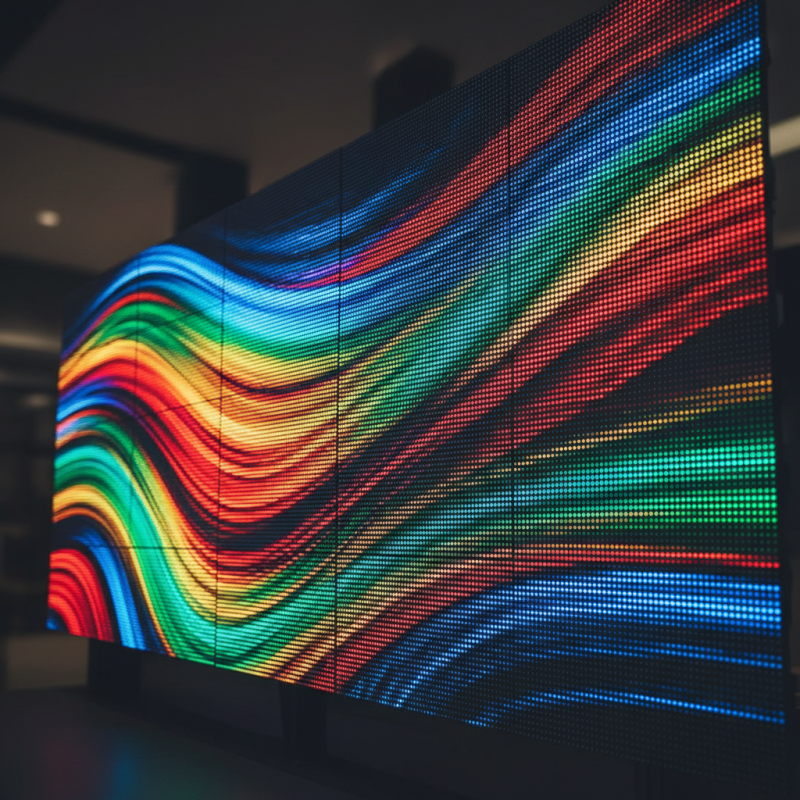
An LED screen is a display technology that uses light-emitting diodes to create vibrant images. These screens are known for their brightness and energy efficiency. They are widely used in televisions, computers, and advertising billboards. An LED screen can produce a wider color range, enhancing the viewing experience. The technology operates by illuminating the screen pixel by pixel, allowing for sharper contrasts between light and dark areas.
Choosing the right LED screen can be challenging. Factors like screen resolution, size, and refresh rate matter significantly. Higher resolution screens provide clearer images but can be more expensive. The size of the screen should fit your space. A smaller screen may not be sufficient for larger rooms. Additionally, the refresh rate affects how smooth the motion appears. A lower refresh rate can lead to motion blur during fast-paced scenes.
However, it’s essential to consider your specific needs. Some users prioritize portability, while others may want advanced features for professional use. We all have different preferences. The best LED screen varies depending on personal use and budget. Balancing quality and cost is vital. Reflecting on what you truly need will lead to a better choice in LED technology.
LED screens function based on a technology that involves semiconductor diodes. These diodes emit light when an electric current passes through them. The result is a vibrant and energy-efficient display. Brightness levels can reach up to 5,000 nits in some models, making them suitable for both indoor and outdoor use. Factors like pixel density and color accuracy are essential in determining the quality of the display.
When evaluating LED screens, consider the viewing angle. A good screen should maintain color consistency from various angles. Many high-performance LED screens can achieve a viewing angle of 160 degrees or more. However, not all LED screens perform well in this area. Users should be aware of potential color shifts when viewed from the side.
Another critical aspect is refresh rate. Higher refresh rates, usually above 60Hz, lead to smoother motion display. This factor is particularly important for video content. However, budget constraints may limit access to higher-end options. A balance between cost and technology is necessary to choose the right screen. Industry reports indicate that consumers often prioritize features over price, reflecting the growing emphasis on quality in the market.
When exploring LED screens, it’s essential to understand the various types available. LED technology has transformed visual displays, and knowing the differences can help in making an informed choice. For instance, you can find OLED, LCD, and Mini LED options. Each type has unique features, making some better suited for specific purposes.
OLED screens offer stunning contrast and vibrant colors. They are thinner and lighter, ideal for portable displays. On the other hand, LCDs are widespread and cost-effective. They work well in brightly lit environments but may lack the deep blacks of OLEDs. Mini LED screens bridge this gap. They enhance traditional LCD technology for better contrast and brightness.
Choosing the right LED screen depends on your needs. Think about the space where it’ll be used. Consider factors like resolution, size, and viewing angles. Keep in mind that spending more does not always guarantee better performance. Always evaluate your requirements against the options available, and weigh the pros and cons carefully. This reflection can lead to a choice that suits your needs better.
When selecting an LED screen, several key factors come into play. First, consider the resolution. Higher resolution screens provide clearer images, which is crucial for detailed visuals. Often, 1080p or 4K options are favored for vibrant displays. Sizes matter too; a larger screen can enhance viewing experiences in spacious rooms. However, this comes with its challenges. An oversized screen in a small area can overwhelm viewers.
Brightness and contrast ratio are essential for visibility. A screen’s brightness should align with your environment. For bright spaces, higher brightness levels are necessary. Contrast ratio affects clarity. A higher ratio delivers deeper blacks and brighter whites, enhancing overall quality. Also, check the viewing angle. A wide angle ensures everyone enjoys the image, regardless of where they sit.
Lastly, connectivity features can impact usability. Ensure the screen supports HDMI, USB, or other essential connections. It's also worth assessing the screen’s durability and energy efficiency. These factors often go unnoticed but can affect long-term costs and performance. Many consumers initially overlook these aspects, which may lead to regrettable choices down the line.
| Feature | Description | Importance |
|---|---|---|
| Resolution | The number of pixels used to display an image, usually represented by width x height (e.g., 1920x1080). | High resolution ensures better image clarity and detail. |
| Brightness | Measured in nits, this indicates how bright the screen can get. | Essential for visibility in different lighting conditions. |
| Refresh Rate | The number of times the image refreshes per second, measured in Hertz (Hz). | Higher rates lead to smoother visuals, especially for videos and games. |
| Viewing Angle | The maximum angle at which the screen can be viewed without a significant loss in quality. | Wider angles allow for more flexibility in viewing positions. |
| Size | The diagonal measurement of the screen, typically in inches. | Larger screens can enhance the viewing experience but require more space. |
| Pixel Pitch | The distance between the centers of two adjacent pixels. | A smaller pitch offers higher resolution and detail at closer viewing distances. |
| Durability | Refers to the screen's ability to withstand environmental factors like weather and physical impact. | Important for outdoor installations or high-traffic areas. |
| Cost | The total investment required for purchasing and maintaining the screen. | A critical factor for budget constraints and overall value. |
When selecting the best LED screen, consider key factors that distinguish top brands and models. Picture quality is often prioritized. Look for higher contrast ratios and better color accuracy. These features make a significant difference in viewing experience. Viewing angles are crucial, too. A wide angle ensures everyone sees the same vibrant colors, no matter where they sit.
Many reputable brands offer various models, catering to specific needs. Some focus on ultra-thin designs, ideal for modern spaces. Others excel in outdoor capabilities, showcasing durability. It's important to reflect on what environment you'll use the screen most. Will it be indoors or outdoors? Will it be used for personal or professional purposes? These questions help narrow down your options.
Price remains a concern for many consumers. Budget constraints can limit choices. However, investing in quality often pays off in the long run. While some budget models may suffice, they may lack in longevity and performance. Researching reviews and expert opinions adds value. It can guide you toward a decision you won't regret later. A mistake in choosing could cost more than just money. It may lead to dissatisfaction with your purchase.
„Thanks to the LUVIR technology, the solder resist process could be switched directly from the previously used mask exposure to direct exposure. As an outstanding digital solution on the market, this technology has been able to demonstrate fast process times and superior quality on our certified conventional ink in production. This allowed us to fully digitize the solder mask process at low cost – without process or ink adjustments. An excellent benefit to our production in Rot am See.“
Ralf Göhringer (Head of Production WE Rot am See)
I would definitely recommend the Limata machine and team for a future company purchase
Michael Greenaway
Compunetics Inc.
“The Limata ldi has been amazing!! Best thing we did was buy this machine”
Richard Brady
GM
Circuitlabs
“Since 2019, we have been running the Limata X1000 LDI system (including LUVIR for solder mask imaging) in daily production as an addition to our current process with film. The machine was capable of properly exposing Taiyo PSR-4000 BN (DI) solder mask types on normal to high-copper boards using a new and unique direct imaging process. The machine operating interface is very user friendly which allowed for a quick technical training curve. The pre-registration processing reduced several seconds of production time at every print. Limata support and service staff is incomparable. They supported our team every step of the way at basically any time of the day or night, with literally, an immediate response time, customizing the software interface to best fit our Operations and needs.
We have exposed more than 8,000 prints since end of October, on various solder mask colors and some resist film panels. Limata, has proven to be very capable and innovative. They are a strong contender in the industry.
We have very much enjoyed this project, and working with the team!
Thank you Limata for the continued support and being a part of our growth.”
Bill Sezate
Vice President, GM
Summit Interconnect
As a replacement to our current contact exposure process with film, the LIMATA X2000 system including LUVIR-Technology was capable of properly exposing non-LDI solder mask types using a direct imaging process. The machine offers cutting edge software with a very intuitive operating interface which allowed for quick technician training curve. The dual drawer system combined with pre-registration processing reduced several seconds of production time at every machine cycle. Limata support and service staff is world class. They added software patches to keep production running at shortest possible response times, customized the software interface to best fit our in-house Operations system, and even wrote a step-by-step machine processing manual. As a result of the project, we have exposed more than 16,000 times on various product types and solder mask brands/colors. Limata, in a very short timeframe as a company, has definitely shown they are truly innovative and will be challenging the industry of direct imaging for the top spot.
Kevin Beattie
Process Engineer
TTM Technologies
Forest Grove Division
