In the realm of cryogenic technology, the Liquid Nitrogen Dosing System stands out as a vital innovation. It is widely used in various industries, particularly food processing and pharmaceuticals. According to a recent report from the Cryogenics Society, the market for liquid nitrogen systems is projected to grow by 6% annually, driven by rising demands for efficient temperature control.
Dr. Emily Chen, a renowned expert in cryogenic technologies, notes, "The Liquid Nitrogen Dosing System enhances product quality while ensuring safety." This system allows precise control over nitrogen application, which is crucial for preserving the integrity of sensitive materials. However, implementing this technology is not without challenges. Ensuring proper dosage requires meticulous calibration and ongoing maintenance. Even small errors can affect outcomes.
As with any technology, the Liquid Nitrogen Dosing System necessitates continuous evaluation and adaptation. Companies must invest in training personnel to maximize its benefits. Despite its effectiveness, the complexity of this system invites ongoing discussions on optimization. Each implementation offers valuable lessons, driving improvements in the industry.
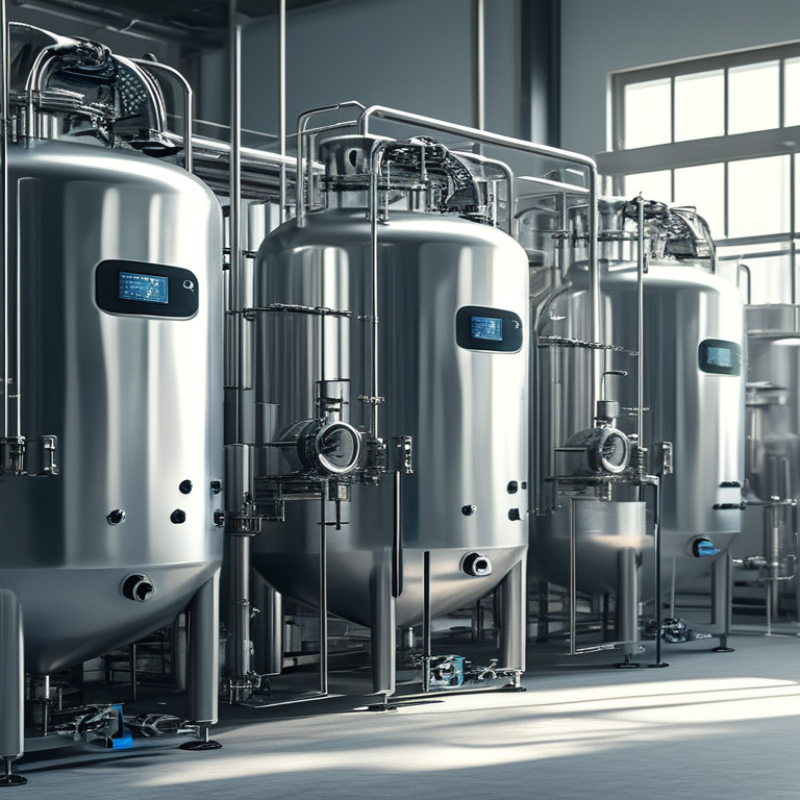
A liquid nitrogen dosing system is a technology used to deliver precise amounts of liquid nitrogen. It's commonly found in various industries, including food and beverages, pharmaceuticals, and manufacturing. The system operates by storing liquid nitrogen in a cryogenic tank, maintaining extremely low temperatures. This allows for effective preservation and cooling processes.
The dispensing mechanism involves specialized valves and pumps. These components work together to control the flow of nitrogen gas. As the liquid nitrogen expands, it transforms into gas, which can effectively chill products or create inert environments. This flexibility promotes innovation in product design, especially in freezing and packaging.
While liquid nitrogen dosing systems offer many benefits, they can pose risks. Proper training is essential for handling cryogenic materials. Safety measures must be in place to prevent accidents. Mismanagement may lead to equipment failure or safety hazards. Continuous evaluation of processes is crucial to optimize the efficiency and safety of these systems.
Liquid nitrogen dosing systems are essential in various industrial and scientific applications. These systems utilize several key components that work together to achieve precise temperature control and delivery of liquid nitrogen.
One of the main components is the nitrogen tank. It stores liquid nitrogen under high pressure. This storage ensures a constant and reliable supply for dosing. The pressure regulator is another important part. It controls the flow of nitrogen, reducing pressure to safe levels for use. Valves are used to manage the release of nitrogen, helping to maintain precise dosing.
Another critical element is the dosing nozzle. This piece delivers a controlled amount of nitrogen to the desired application. Sensors monitor temperature and pressure, ensuring optimal performance. These components must work seamlessly together. Any malfunction can lead to inefficiencies. Regular maintenance is essential to avoid potential failures. Each part must be chosen carefully based on the specific requirements of the application. This attention to detail can prevent costly mistakes down the line.
Liquid nitrogen dosing systems utilize the unique properties of liquid nitrogen to regulate temperature and preserve products. The process begins with the careful storage of liquid nitrogen in insulated tanks. Through a controlled release system, nitrogen vapor is precisely dosed into a chamber or onto specific items. This ensures that the temperature remains optimal for various applications, particularly in food preservation or pharmaceuticals.
The operational mechanism relies on the rapid evaporation of liquid nitrogen, which absorbs heat as it transforms into gas. This evaporation creates a chilling effect that can stabilize temperatures quickly. The system often includes sensors to monitor temperature changes, ensuring consistent performance. However, calibration can be challenging, leading to potential oversights in temperature management.
In practice, operators must balance efficiency and safety. Too much nitrogen might lead to excessive cooling, while too little may fail to achieve desired results. Understanding the nuances of each application is crucial. Regular maintenance and operator training are essential for reliable operation. The potential for human error highlights the need for clear protocols and frequent reviews to improve functionality.
Liquid nitrogen dosing systems play a crucial role across various industries. These systems provide precise control over the amount of liquid nitrogen delivered for specific applications. In food processing, they are essential for cryogenic freezing. This method preserves flavors and textures remarkably well. A controlled dosing system ensures uniform freezing, which is vital in maintaining product quality.
In the pharmaceutical industry, liquid nitrogen dosing is used for inerting and cooling processes. This practice keeps sensitive materials stable and extends shelf life. The ability to dose accurately prevents waste, a key consideration for companies looking to optimize resources. However, reliance on technology also raises concerns. If not monitored properly, systems can malfunction, leading to unnecessary nitrogen loss.
Tip: Regular maintenance checks are essential. Ensure that all components are functioning correctly to prevent costly errors. Additionally, training staff on operational procedures can enhance efficiency.
In the semiconductor industry, these systems are employed for cooling and maintaining clean environments. Liquid nitrogen ensures that the production processes are not compromised. However, miscalculating dosage can lead to uneven cooling, which may affect product integrity. It’s a fine balance between efficiency and accuracy.
Tip: Keep safety in mind. Liquid nitrogen can be hazardous if handled improperly. Always use protective gear and follow safety protocols to minimize risks.
| Application | Industry | Functionality | Benefits |
|---|---|---|---|
| Food Preservation | Food & Beverage | Rapid freezing of food items | Extended shelf life, maintains quality |
| Cryogenic Cooling | Medical Technology | Cooling during surgical procedures | Enhanced precision and reduced thermal injury |
| Metal Processing | Manufacturing | Thermal treatment of metals | Improved strength and durability of materials |
| Research & Development | Laboratories | Cooling samples for experiments | Accurate results, efficient experimentation |
| Injection Molding | Plastic Industry | Cooling molds quickly | Faster production cycles, improved part quality |
Liquid nitrogen dosing systems are critical in various industries, including food preservation and pharmaceuticals. However, the handling of liquid nitrogen carries inherent risks. Understanding safety considerations is essential for effective and safe use.
One key aspect is proper training for operators. They should be well-acquainted with the properties of liquid nitrogen. It can cause severe frostbite and asphyxiation in enclosed spaces. Safety equipment, such as gloves and goggles, must be readily available. Regular safety drills can ensure that employees react correctly during emergencies.
Compliance with safety standards is also crucial. Facilities should adhere to guidelines from organizations like OSHA. Regular inspections can help identify potential hazards. Additionally, a risk assessment should be conducted frequently. These steps not only enhance safety but also instill a culture of awareness. Relying solely on technology without human oversight can lead to oversights. Balancing technology with human vigilance is vital for maintaining safe operations.
„Thanks to the LUVIR technology, the solder resist process could be switched directly from the previously used mask exposure to direct exposure. As an outstanding digital solution on the market, this technology has been able to demonstrate fast process times and superior quality on our certified conventional ink in production. This allowed us to fully digitize the solder mask process at low cost – without process or ink adjustments. An excellent benefit to our production in Rot am See.“
Ralf Göhringer (Head of Production WE Rot am See)
I would definitely recommend the Limata machine and team for a future company purchase
Michael Greenaway
Compunetics Inc.
“The Limata ldi has been amazing!! Best thing we did was buy this machine”
Richard Brady
GM
Circuitlabs
“Since 2019, we have been running the Limata X1000 LDI system (including LUVIR for solder mask imaging) in daily production as an addition to our current process with film. The machine was capable of properly exposing Taiyo PSR-4000 BN (DI) solder mask types on normal to high-copper boards using a new and unique direct imaging process. The machine operating interface is very user friendly which allowed for a quick technical training curve. The pre-registration processing reduced several seconds of production time at every print. Limata support and service staff is incomparable. They supported our team every step of the way at basically any time of the day or night, with literally, an immediate response time, customizing the software interface to best fit our Operations and needs.
We have exposed more than 8,000 prints since end of October, on various solder mask colors and some resist film panels. Limata, has proven to be very capable and innovative. They are a strong contender in the industry.
We have very much enjoyed this project, and working with the team!
Thank you Limata for the continued support and being a part of our growth.”
Bill Sezate
Vice President, GM
Summit Interconnect
As a replacement to our current contact exposure process with film, the LIMATA X2000 system including LUVIR-Technology was capable of properly exposing non-LDI solder mask types using a direct imaging process. The machine offers cutting edge software with a very intuitive operating interface which allowed for quick technician training curve. The dual drawer system combined with pre-registration processing reduced several seconds of production time at every machine cycle. Limata support and service staff is world class. They added software patches to keep production running at shortest possible response times, customized the software interface to best fit our in-house Operations system, and even wrote a step-by-step machine processing manual. As a result of the project, we have exposed more than 16,000 times on various product types and solder mask brands/colors. Limata, in a very short timeframe as a company, has definitely shown they are truly innovative and will be challenging the industry of direct imaging for the top spot.
Kevin Beattie
Process Engineer
TTM Technologies
Forest Grove Division
