A Load Isolation Switch is a crucial component in electrical systems. It provides safety and reliability in managing electrical loads. This device is designed to isolate a section of the electrical circuit, making maintenance and repairs safer.
Understanding how a Load Isolation Switch operates is essential for both homeowners and professionals. It allows users to shut off power to specific areas without affecting the entire system. This targeted shutdown can prevent accidents and ensure a stable electrical environment.
However, many people overlook the importance of this switch. Neglecting its function can lead to unsafe situations. It's vital to recognize that maintaining electrical safety is a shared responsibility. Being informed about tools like the Load Isolation Switch can greatly enhance this safety.
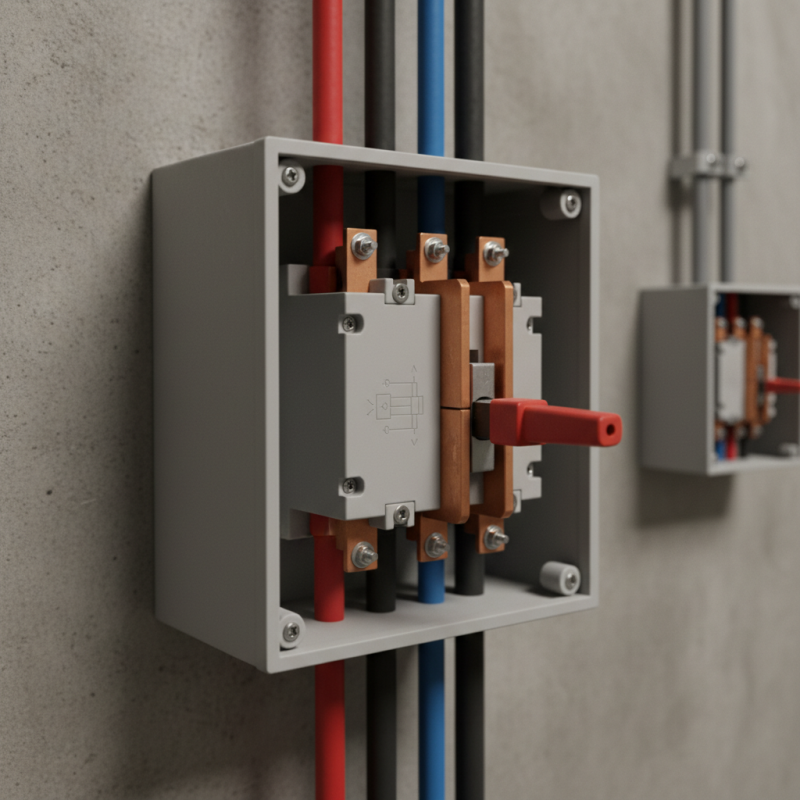
A load isolation switch is a crucial component in electrical systems. Its primary purpose is to disconnect power in a safe manner. This ensures both equipment safety and personnel protection during maintenance. Without this switch, working on live circuits could be hazardous.
Load isolation switches come in various configurations. They can be used in residential settings or large industrial facilities. These switches allow for control over electrical loads without interrupting the entire system. When operating, it's essential to ensure that the load is de-energized. This process requires training and experience. New users may find it challenging to understand proper procedures.
Proper installation is key to prevent accidents. Misplacement can lead to malfunction or safety risks. It’s vital to consult a professional for installation. Regular inspections can further enhance reliability. Ultimately, while load isolation switches are effective, understanding their operation is just as important.
This bar chart represents the distribution of load isolation switches used across various application areas, highlighting their significance in commercial, industrial, residential, and renewable energy sectors.
A load isolation switch is crucial for electrical safety and system maintenance. Understanding its components helps users appreciate its significant role.
The main component of a load isolation switch is the actuator, which provides manual or automated operation. This engaging mechanism allows users to ensure that power is safely disconnected during maintenance.
Then, there’s the contact assembly, which includes fixed and movable contacts. These components manage electrical flow, ensuring the switch can interrupt power effectively when necessary.
Enclosures are another vital part. They protect internal components from environmental factors. Yet, not all enclosures are created equal. Some may have gaps that could allow dust or moisture to enter, compromising safety. It’s essential to assess enclosure integrity regularly.
Lastly, indicator lights show the switch's current status. These visual cues are critical for safe operation, but sometimes they can fail or mislead users. Regular testing and maintenance keep the equipment reliable.
Load isolation switches are crucial in electrical systems. Their primary function is to disconnect power during maintenance or emergencies. These switches can handle high voltage and current, ensuring safety for both equipment and personnel. A recent industry report highlights that over 30% of electrical failures are linked to improper switching mechanisms. This suggests the importance of using reliable load isolation switches.
These switches operate by either manually or automatically isolating the load from the supply. When a fault occurs, they efficiently interrupt current flow. The switch’s design incorporates robust materials to withstand harsh conditions. The National Electrical Manufacturers Association reports that proper maintenance can extend the life of load isolation switches by up to 50%. This can significantly reduce operational costs, yet many installations fail due to lack of regular checks.
Many users overlook the need for periodical testing. This oversight can lead to premature failure. A study found that 20% of businesses had untested load isolation switches, putting their operations at risk. By ensuring these switches are routinely evaluated, risks diminish, protecting both infrastructure and safety. Regular checks can reveal potential faults, increasing reliability and performance.
Load isolation switches play a crucial role in electrical systems. They provide a means to disconnect power from specific circuits. By doing so, they enhance safety and allow for maintenance. According to a report by the International Electrotechnical Commission, around 30% of electrical failures stem from improper isolation procedures. Thus, using load isolation switches is not just a safety measure but also a practical necessity.
In industrial settings, load isolation switches are vital. They are used in various applications, from power distribution to renewable energy systems. Many facilities rely on these switches to protect equipment during maintenance. A study in the IEEE Transactions on Power Systems indicates that poorly managed electrical systems lead to downtime, which can cost industries thousands of dollars per hour. The integration of load isolation switches helps mitigate these risks.
Load isolation switches are not foolproof. Regular maintenance and inspections are essential. Some users may overlook this, leading to potential failures. Reports show that 10% of electrical accidents involve switch malfunctions due to lack of upkeep. Therefore, while these devices are critical, their effectiveness relies on consistent monitoring and proper handling by trained personnel.
Load isolation switches are crucial for electrical safety. Regular maintenance is essential to ensure their reliability. A thorough inspection can prevent unexpected failures. Check the connections for corrosion or loose wires. It is also important to test the switch regularly.
When maintaining load isolation switches, follow the guidelines provided in the manufacturer’s manual. Ensure that the switch is de-energized during maintenance. Use appropriate tools and wear personal protective equipment. This minimizes the risk of accidents. It’s advisable to keep detailed records of maintenance activities for future reference.
Safety considerations go beyond just hardware. Training personnel on the correct use of load isolation switches is vital. Even minor oversights can lead to serious incidents. Clear communication about switch status can help prevent misuse. Remaining vigilant and proactive in these areas is crucial for overall safety.
| Aspect | Details |
|---|---|
| Definition | A device used to isolate electrical circuits for safe maintenance and operation. |
| Functionality | Disconnects the load from the power source, preventing electrical hazards. |
| Common Applications | Used in industrial settings, commercial buildings, and electrical panels. |
| Safety Considerations | Ensure proper installation, regular inspection, and adhere to voltage ratings. |
| Maintenance Tips | Perform visual inspections, check for wear and tear, and test functionality regularly. |
| Voltage Ratings | Commonly rated from 250V to 600V, depending on the application. |
| Types | Manual and automatic load isolation switches. |
„Thanks to the LUVIR technology, the solder resist process could be switched directly from the previously used mask exposure to direct exposure. As an outstanding digital solution on the market, this technology has been able to demonstrate fast process times and superior quality on our certified conventional ink in production. This allowed us to fully digitize the solder mask process at low cost – without process or ink adjustments. An excellent benefit to our production in Rot am See.“
Ralf Göhringer (Head of Production WE Rot am See)
I would definitely recommend the Limata machine and team for a future company purchase
Michael Greenaway
Compunetics Inc.
“The Limata ldi has been amazing!! Best thing we did was buy this machine”
Richard Brady
GM
Circuitlabs
“Since 2019, we have been running the Limata X1000 LDI system (including LUVIR for solder mask imaging) in daily production as an addition to our current process with film. The machine was capable of properly exposing Taiyo PSR-4000 BN (DI) solder mask types on normal to high-copper boards using a new and unique direct imaging process. The machine operating interface is very user friendly which allowed for a quick technical training curve. The pre-registration processing reduced several seconds of production time at every print. Limata support and service staff is incomparable. They supported our team every step of the way at basically any time of the day or night, with literally, an immediate response time, customizing the software interface to best fit our Operations and needs.
We have exposed more than 8,000 prints since end of October, on various solder mask colors and some resist film panels. Limata, has proven to be very capable and innovative. They are a strong contender in the industry.
We have very much enjoyed this project, and working with the team!
Thank you Limata for the continued support and being a part of our growth.”
Bill Sezate
Vice President, GM
Summit Interconnect
As a replacement to our current contact exposure process with film, the LIMATA X2000 system including LUVIR-Technology was capable of properly exposing non-LDI solder mask types using a direct imaging process. The machine offers cutting edge software with a very intuitive operating interface which allowed for quick technician training curve. The dual drawer system combined with pre-registration processing reduced several seconds of production time at every machine cycle. Limata support and service staff is world class. They added software patches to keep production running at shortest possible response times, customized the software interface to best fit our in-house Operations system, and even wrote a step-by-step machine processing manual. As a result of the project, we have exposed more than 16,000 times on various product types and solder mask brands/colors. Limata, in a very short timeframe as a company, has definitely shown they are truly innovative and will be challenging the industry of direct imaging for the top spot.
Kevin Beattie
Process Engineer
TTM Technologies
Forest Grove Division
