In industrial settings, the safety of storage tanks is paramount. A Flame Arrestor For Tanks plays a critical role in mitigating fire risks. These devices prevent flames from traveling back into the tank, thus protecting both the facility and the environment.
The importance of having a Flame Arrestor For Tanks cannot be overstated. Without it, a small spark could lead to catastrophic explosions. This is especially true for facilities storing flammable liquids, where even minor accidents can escalate quickly. Flame arrestors are not just supplementary; they are essential safety equipment.
Despite their significance, some operators may underestimate the importance of proper installation and maintenance of these devices. Regular inspections can reveal potential failures. It is crucial to address these issues promptly. Addressing flaws in flame arrestor systems can prevent disasters and ensure ongoing compliance with safety regulations.
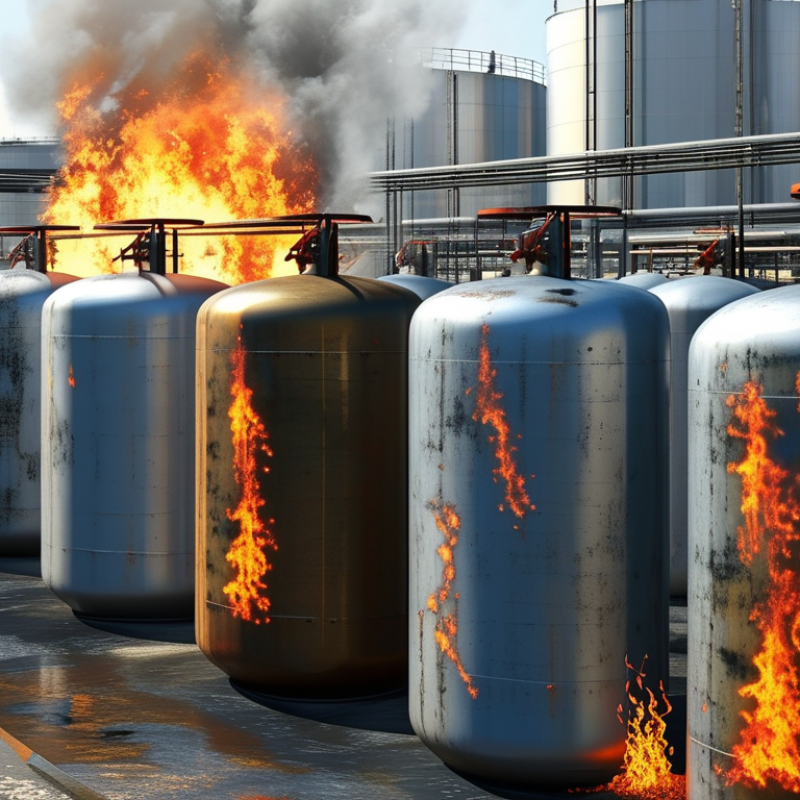
Flame arrestors play a critical role in tank safety regulations. They are essential for preventing fire and explosions in storage tanks. These devices allow the safe venting of gases while blocking flames that may travel back into the tank. This is crucial in environments where flammable vapors are present.
In many industries, the presence of volatile substances increases the risk of fire hazards. Proper installation of flame arrestors can significantly reduce this risk. However, some facilities may overlook their importance or fail to maintain them properly. Regular inspections and adherence to safety protocols ensure that these devices function effectively. It’s worrying to think about the potential consequences of neglecting this aspect of safety.
Moreover, the regulations surrounding tank safety are stringent. Compliance is not just a legal requirement; it ensures the protection of personnel and the environment. Yet, many organizations still underinvest in training and resources related to flame arrestors. This gap can lead to catastrophic outcomes. The need for education on fire safety and proper equipment maintenance cannot be overstated. Understanding these aspects deeply impacts overall safety in industries dealing with hazardous materials.
Flame arrestors are vital for vapor control in storage tanks. They prevent flames from traveling back into a tank, reducing the risk of catastrophic fires or explosions. According to the National Fire Protection Association, nearly 10% of industrial fires can be attributed to vapors igniting in storage facilities. Understanding the mechanism behind flame arrestors is crucial for maintaining safety in these environments.
Flame arrestors function by using a mesh or baffle system that cools the flame and reduces its energy. When a fire occurs, vapor ignites, and the flame moves towards the tank. The arrestor dissipates the heat, effectively stopping the flame before it can enter the tank. This simple yet effective technology has demonstrated a 70% reduction in incidents related to vapor ignition, according to a report by the Fire Protection Research Foundation.
When selecting and installing flame arrestors, ensure they meet industry standards. Regular maintenance checks are essential as blockages can compromise their effectiveness. Incorporating these safety devices into your storage system not only protects assets but also safeguards lives. Practicing rigorous safety protocols will enhance the overall safety culture in hazardous environments.
Tank explosions are a critical concern in industrial settings. According to a report from the National Fire Protection Association (NFPA), approximately 70% of tank-related explosions stem from ignition sources. These sources may include static electricity, sparks, or other potential risks. When flame arrestors are absent, the likelihood of catastrophic incidents increases significantly.
Data from a study published by the Chemical Safety Board shows that nearly 50% of tank explosions without flame arrestors result in fatalities or severe injuries. These accidents often lead to significant property damage and environmental contamination. The lack of proper ignition protection in tanks has proven to be a costly oversight in many facilities.
In practical terms, installations relying on flame arrestors have reported up to an 80% reduction in ignition occurrences. Despite this, some facilities still operate without such essential safety measures. This oversight raises questions about industry standards and employee safety. It’s essential for operators to reflect on their safety protocols and consider the far-reaching implications of neglecting flame protection equipment.
When installing a flame arrestor for tanks, it's crucial to follow industry standards. These standards guide the selection and placement of flame arrestors. They help prevent explosions by allowing gases to flow while blocking flames. Compliance with these guidelines ensures safety and reliability.
Installation recommendations emphasize proper sizing and positioning. The flame arrestor must fit the tank's specifications. Experts recommend checking for correct orientation, as this affects its performance. Regular maintenance also plays a vital role. Blocked or damaged devices can lead to dangerous situations.
Training staff on the importance of flame arrestors is essential. Awareness reduces risks associated with tank operations. It's crucial to review and reflect on instances where lapses occurred. Each incident offers lessons on improving safety measures. The goal is to create a culture that prioritizes safety and compliance.
Flame arrestors play a crucial role in industrial safety, especially in tank storage facilities. They prevent flames from spreading into tanks filled with flammable vapors. An effective flame arrestor can make the difference between a minor incident and a devastating fire. A notable case involved a petrochemical plant where a vapor leak ignited. The flame arrestor successfully contained the initial explosion, preventing it from reaching storage tanks. This incident highlights the need for robust fire safety systems in high-risk environments.
Another case study from a refinery showed mixed results. The facility had installed flame arrestors, but maintenance was often overlooked. During an inspection, corrosion was found in some units. When a fire erupted, the compromised units failed, leading to significant damages. This emphasizes the importance of regular checks and proactive maintenance. Facilities must recognize that flame arrestors are not a one-time installation but an ongoing commitment to safety.
These examples illustrate the varying effectiveness of flame arrestors in real-world scenarios. Their design and maintenance significantly influence outcomes in the event of a fire. Ultimately, understanding these nuances can help industries better prepare for potential hazards.
| Case Study | Industry | Incident Summary | Effectiveness of Flame Arrestor | Outcome |
|---|---|---|---|---|
| Case Study 1 | Petrochemical | Explosion occurred while filling tank | Prevented fire from spreading | No injuries, equipment saved |
| Case Study 2 | Food Processing | Flammable vapors ignited | Stopped backflash into tank | Minimal damage, safe evacuation |
| Case Study 3 | Chemical Manufacturing | Chemical leak led to ignition | Flame arrestor contained the explosion | Significant damage avoided |
| Case Study 4 | Oil & Gas | Vapor cloud explosion near storage | Prevented escalation | Safety protocols upheld |
„Thanks to the LUVIR technology, the solder resist process could be switched directly from the previously used mask exposure to direct exposure. As an outstanding digital solution on the market, this technology has been able to demonstrate fast process times and superior quality on our certified conventional ink in production. This allowed us to fully digitize the solder mask process at low cost – without process or ink adjustments. An excellent benefit to our production in Rot am See.“
Ralf Göhringer (Head of Production WE Rot am See)
I would definitely recommend the Limata machine and team for a future company purchase
Michael Greenaway
Compunetics Inc.
“The Limata ldi has been amazing!! Best thing we did was buy this machine”
Richard Brady
GM
Circuitlabs
“Since 2019, we have been running the Limata X1000 LDI system (including LUVIR for solder mask imaging) in daily production as an addition to our current process with film. The machine was capable of properly exposing Taiyo PSR-4000 BN (DI) solder mask types on normal to high-copper boards using a new and unique direct imaging process. The machine operating interface is very user friendly which allowed for a quick technical training curve. The pre-registration processing reduced several seconds of production time at every print. Limata support and service staff is incomparable. They supported our team every step of the way at basically any time of the day or night, with literally, an immediate response time, customizing the software interface to best fit our Operations and needs.
We have exposed more than 8,000 prints since end of October, on various solder mask colors and some resist film panels. Limata, has proven to be very capable and innovative. They are a strong contender in the industry.
We have very much enjoyed this project, and working with the team!
Thank you Limata for the continued support and being a part of our growth.”
Bill Sezate
Vice President, GM
Summit Interconnect
As a replacement to our current contact exposure process with film, the LIMATA X2000 system including LUVIR-Technology was capable of properly exposing non-LDI solder mask types using a direct imaging process. The machine offers cutting edge software with a very intuitive operating interface which allowed for quick technician training curve. The dual drawer system combined with pre-registration processing reduced several seconds of production time at every machine cycle. Limata support and service staff is world class. They added software patches to keep production running at shortest possible response times, customized the software interface to best fit our in-house Operations system, and even wrote a step-by-step machine processing manual. As a result of the project, we have exposed more than 16,000 times on various product types and solder mask brands/colors. Limata, in a very short timeframe as a company, has definitely shown they are truly innovative and will be challenging the industry of direct imaging for the top spot.
Kevin Beattie
Process Engineer
TTM Technologies
Forest Grove Division
