Neodymium Magnets, known for their incredible strength and versatility, play a vital role across various industries. According to a report by the Research and Markets, the global neodymium magnet market is projected to grow significantly, reaching $20 billion by 2025. This growth reflects the increasing demand in sectors such as electronics, automotive, and renewable energy.
These magnets are made from an alloy of neodymium, iron, and boron. Their remarkable magnetic properties make them ideal for applications like electric motors and hard disk drives. In fact, they are about 10 times stronger than traditional ferrite magnets. Yet, their production is not without challenges. The mining of rare earth metals raises environmental and ethical concerns.
Understanding the role of neodymium magnets involves exploring their benefits and implications. As industries increasingly rely on advanced technology, reflecting on these factors becomes crucial. The strength of neodymium magnets will likely drive innovation while challenging sustainable practices. Exploring their usage offers a lens through which to view future advancements and their potential impacts.
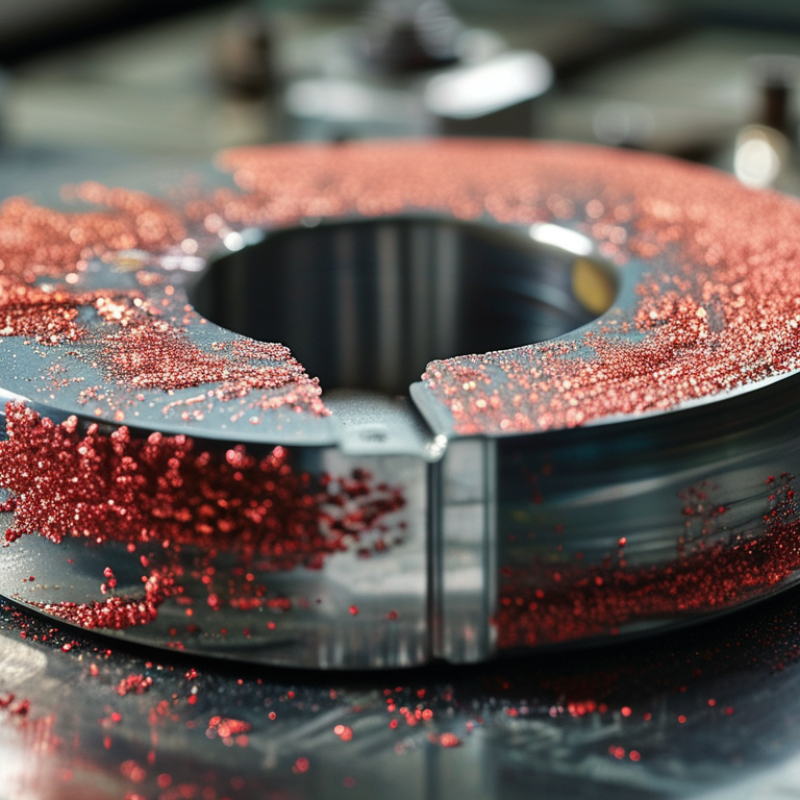
Neodymium magnets are powerful magnets made from an alloy of neodymium, iron, and boron. They are known for their high magnetic strength and energy density. In fact, these magnets are among the strongest permanent magnets available, offering a magnetic force several times greater than standard magnets. According to a recent market analysis, the global neodymium magnet market is projected to reach over $60 billion by 2027, indicating their increasing importance across various industries.
These magnets are commonly used in applications such as motors, generators, and medical devices. Their compact size allows for powerful magnetic fields within a small volume. In the automotive industry, for instance, neodymium magnets enhance the efficiency of electric motors, contributing to the shift toward electric vehicles. However, the reliance on rare earth elements raises concerns about supply chains and environmental impacts.
Tips: When handling neodymium magnets, always be cautious. Their strong attraction can cause injury if fingers are caught between them. Store them properly to prevent damage and ensure safety.
Despite their many benefits, challenges remain. The production of neodymium magnets involves complex processes that can lead to environmental concerns. Moreover, fluctuations in the supply of raw materials can impact pricing and availability. It is crucial to consider these factors when investing in neodymium magnets for any project.
Neodymium magnets are renowned for their strength and unique properties. They are made from an alloy of neodymium, iron, and boron. This combination yields remarkable magnetic performance. In fact, neodymium magnets are the strongest permanent magnets available in industry today. A typical neodymium magnet can lift over 1,000 times its weight, making them invaluable in various applications.
These magnets exhibit a high magnetic field strength, often exceeding 1.4 Tesla. They maintain their magnetism over wide temperature ranges but can lose it if exposed to extreme heat. According to industry reports, the global neodymium magnet market is projected to grow at a CAGR of over 10% through 2026. This growth reflects increasing demand in sectors like electronics and renewable energy.
**Tips:**
- Store neodymium magnets away from heat sources to preserve their strength.
- Use caution when handling; their strength can lead to pinching injuries.
Despite their advantages, neodymium magnets are brittle. They can break if subjected to high stress or impact. This fragility calls for careful design in applications involving heavy machinery. Understanding the balance of their power and limitations is essential for effective use.
Neodymium magnets, known for their strong magnetic properties, have a wide range of applications across various industries. These powerful magnets are commonly used in electronics, automotive, and medical devices. In the electronics industry, they play a critical role in speakers, headphones, and hard drives. Research indicates that the demand for neodymium magnets in consumer electronics is expected to grow by 8.9% annually, driven by the increasing need for compact and efficient designs.
In the automotive sector, neodymium magnets are essential for electric vehicle motors and sensors. They enhance the efficiency and performance of these vehicles. According to a report from Markets and Markets, the electric vehicle market is projected to reach over $800 billion by 2027, leading to an increased demand for neodymium magnets. These applications contribute significantly to energy savings, but they can also raise recycling concerns. The environmental impact of mining the raw materials is a complex issue that needs addressing.
In the medical field, neodymium magnets are utilized in magnetic resonance imaging (MRI) and advanced therapeutic devices. MRI machines rely on these magnets to create high-quality images for diagnosis. However, the accessibility of these technologies poses challenges. While the benefits are clear, the reliance on specific raw materials can lead to supply chain vulnerabilities. It is crucial for industries to explore sustainable practices while leveraging the advantages of neodymium magnets.
| Application | Description | Typical Uses |
|---|---|---|
| Consumer Electronics | Neodymium magnets are widely used in speakers, headphones, and microphones due to their strong magnetic fields and compact size. | Speakers, Earbuds, Microphones |
| Industrial Applications | Used in various industrial applications including magnetic separators and lifting devices due to their strength and reliability. | Magnetic Lifting Equipment, Magnetic Separation |
| Medical Equipment | Neodymium magnets are utilized in MRI machines to produce high-quality images due to their strong magnetism. | MRI Machines, Diagnostic Equipment |
| Renewable Energy | These magnets are crucial in wind turbines and electric motors to improve efficiency and power generation. | Wind Turbines, Electric Motors |
| Toys and Crafts | Commonly found in toys and hobbies for their strong holding capability and ease of use. | Magnets for Crafts, Educational Toys |
The manufacturing process of neodymium magnets involves several detailed steps that require precision and expertise. The primary raw materials include neodymium, iron, and boron, which are combined to form a compound. This mixture is then melted in a furnace at high temperatures. The process demands careful monitoring of temperature and time to ensure a homogeneous blend.
Once the desired composition is achieved, the molten mixture is cooled and powdered. This powdered form is pressed into molds, which helps define the shape of the magnets. It's crucial to apply the right pressure during this stage. Insufficient pressure can lead to weak magnets, affecting their overall performance. After pressing, the magnets undergo a sintering process, where they are heated again to solidify their structure.
After sintering, the magnets are subjected to surface treatments and coatings. These coatings enhance their resistance to oxidation, extending their lifespan. However, the choice of coating materials can sometimes lead to imperfections, as they might not bond perfectly with the magnet's surface. Quality control is essential throughout the process. Regular testing ensures that the magnets meet the required specifications. Every step reflects the complexity and precision required in crafting neodymium magnets.
When handling neodymium magnets, safety is paramount. These magnets are remarkably strong and can snap together with great force. This can lead to pinched fingers or even injuries if precautions are not taken. Always work in a clear area to avoid accidents. Keep loose items away from the workspace to prevent unintentional attractions.
Proper storage is essential for safety. Neodymium magnets should be stored in pairs with a spacer in between. This prevents them from attracting each other and causing damage or injury. Use protective gloves when handling large magnets. It’s easy to underestimate their strength, which can lead to careless handling.
Education on the risks is crucial. Although neodymium magnets are useful, people must acknowledge their potential hazards. It is important to inform all users of the dangers involved. Regularly reviewing safety practices can prevent incidents. Magnets can break if dropped, creating sharp shards. Always dispose of broken pieces safely to minimize injury risks.
„Thanks to the LUVIR technology, the solder resist process could be switched directly from the previously used mask exposure to direct exposure. As an outstanding digital solution on the market, this technology has been able to demonstrate fast process times and superior quality on our certified conventional ink in production. This allowed us to fully digitize the solder mask process at low cost – without process or ink adjustments. An excellent benefit to our production in Rot am See.“
Ralf Göhringer (Head of Production WE Rot am See)
I would definitely recommend the Limata machine and team for a future company purchase
Michael Greenaway
Compunetics Inc.
“The Limata ldi has been amazing!! Best thing we did was buy this machine”
Richard Brady
GM
Circuitlabs
“Since 2019, we have been running the Limata X1000 LDI system (including LUVIR for solder mask imaging) in daily production as an addition to our current process with film. The machine was capable of properly exposing Taiyo PSR-4000 BN (DI) solder mask types on normal to high-copper boards using a new and unique direct imaging process. The machine operating interface is very user friendly which allowed for a quick technical training curve. The pre-registration processing reduced several seconds of production time at every print. Limata support and service staff is incomparable. They supported our team every step of the way at basically any time of the day or night, with literally, an immediate response time, customizing the software interface to best fit our Operations and needs.
We have exposed more than 8,000 prints since end of October, on various solder mask colors and some resist film panels. Limata, has proven to be very capable and innovative. They are a strong contender in the industry.
We have very much enjoyed this project, and working with the team!
Thank you Limata for the continued support and being a part of our growth.”
Bill Sezate
Vice President, GM
Summit Interconnect
As a replacement to our current contact exposure process with film, the LIMATA X2000 system including LUVIR-Technology was capable of properly exposing non-LDI solder mask types using a direct imaging process. The machine offers cutting edge software with a very intuitive operating interface which allowed for quick technician training curve. The dual drawer system combined with pre-registration processing reduced several seconds of production time at every machine cycle. Limata support and service staff is world class. They added software patches to keep production running at shortest possible response times, customized the software interface to best fit our in-house Operations system, and even wrote a step-by-step machine processing manual. As a result of the project, we have exposed more than 16,000 times on various product types and solder mask brands/colors. Limata, in a very short timeframe as a company, has definitely shown they are truly innovative and will be challenging the industry of direct imaging for the top spot.
Kevin Beattie
Process Engineer
TTM Technologies
Forest Grove Division
