In the world of material handling, the Non-Powered Roller plays a vital role. This simple yet effective tool is widely used in various industries. It facilitates the smooth movement of goods without the need for electricity or complex machinery.
Non-Powered Rollers can be found in assembly lines and distribution centers. These rollers rely on gravity and human effort for operation. They are designed to support a range of products, from small boxes to heavy pallets. However, they require intentional placement and alignment. Users need to ensure proper incline and spacing to maximize efficiency.
While Non-Powered Rollers are efficient, their limitations must be acknowledged. They rely solely on the operator for movement, which may lead to slower processes. Additionally, when misused, they can cause damage. Regular inspections and maintenance are crucial for ensuring reliability. Understanding their strengths and weaknesses helps in optimizing their usage in the supply chain.
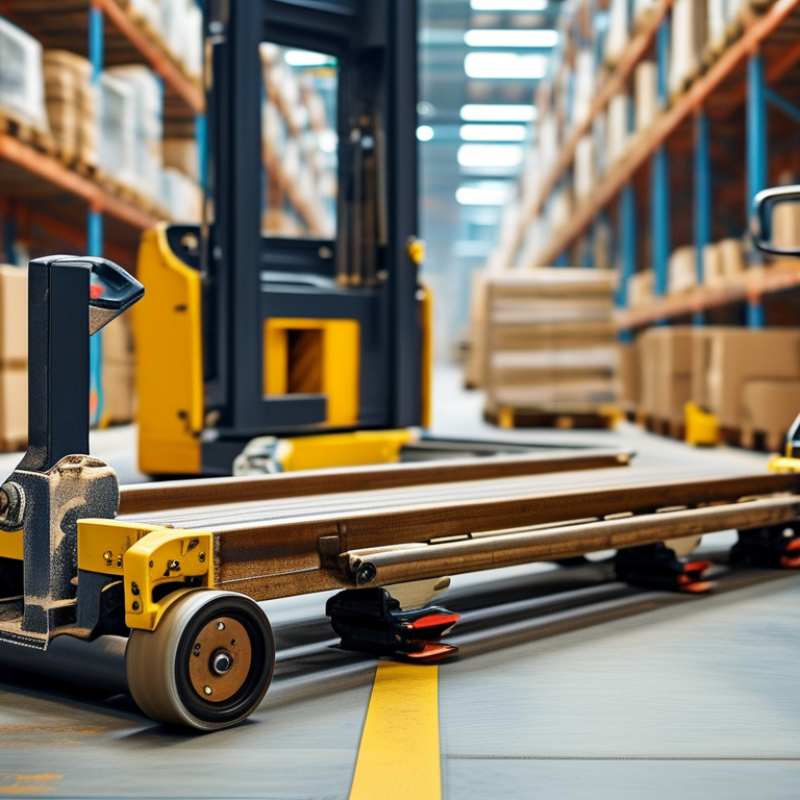
Non-powered roller systems are essential in material handling. These systems utilize gravity and manual force to move items. They consist of rollers mounted on frames, allowing objects to slide over them. This design minimizes energy consumption, making operations more efficient. Non-powered rollers are common in warehouses, distribution centers, and assembly lines.
One advantage is their simplicity. Non-powered roller systems are easy to install and require minimal maintenance. They can support various loads and adapt to different product sizes. However, careful planning is crucial. It’s important to ensure the right angle for proper movement. If the slope is too steep, items may roll too fast. If it's too gentle, they may not move at all.
Tips: Always monitor the weight distribution on rollers. Uneven loads can lead to damage or accidents. Ensure workers are trained in proper handling techniques. Using safety measures helps prevent injuries. Evaluate the system regularly to identify potential issues early. Non-powered rollers can be highly efficient when set up correctly.
This bar chart displays the performance metrics of non-powered roller systems, showcasing their load capacity, durability, maintenance frequency, and cost efficiency. These factors are essential for evaluating the effectiveness of non-powered roller systems in various applications.
Non-powered roller conveyors are essential in material handling systems. They rely on gravity or manual force to move items. Understanding their basic components helps optimize their use.
The primary parts include rollers, frames, and supports. Rollers facilitate smooth movement. Typically, they are made of durable materials like steel or plastic. Frame structures support the rollers. They are often designed with a modular approach, allowing for easy adjustments. Supports stabilize the conveyor, ensuring it can handle various loads. According to industry statistics, non-powered conveyors can reduce energy costs by up to 30% compared to powered systems.
Load capacity is vital when choosing components. Standard rollers can support varying weights, influencing design decisions. Furthermore, the spacing of rollers affects how smoothly items move. Proper calculation prevents disruptions. Observing wear patterns on rollers and frames over time can inform maintenance strategies. These real-world observations highlight the importance of regularly evaluating conveyor performance.
| Component | Description | Material | Usage |
|---|---|---|---|
| Rollers | Cylindrical components that facilitate the movement of goods | Steel, Plastic | Transportation of goods in various industries |
| Frame | Structural base that supports the rollers | Aluminum, Steel | Providing stability and strength to the conveyor system |
| Bearings | Components that allow the rollers to rotate smoothly | Ball bearings, Roller bearings | Reducing friction between static and moving parts |
| End Stops | Devices that prevent items from rolling off the conveyor | Plastic, Metal | Safety and organization during material handling |
| Gravity Assist | Inclined conveyor sections that help items move down | Steel, Aluminum | Utilizing gravity to facilitate the movement |
Non-powered rollers are simple devices used in material handling. They rely on gravity and manual effort for movement. Understanding their operation can help in various applications, from manufacturing to logistics.
The primary principle behind non-powered rollers is gravity. When an object is placed on the rollers, it naturally rolls down due to gravitational force. This mechanism allows for the efficient movement of items in a controlled manner. Various configurations can be designed to accommodate different loads and spaces. The smooth surface of these rollers minimizes friction.
However, challenges exist. Uneven surfaces can impede smooth movement. Operators must ensure that the load is stable to prevent accidents. Regular maintenance is necessary to keep rollers functioning well. Inspecting the rollers for wear and tear can avoid unexpected issues during operation. Combining these elements effectively can lead to more streamlined processes in handling materials.
Non-powered rollers are versatile components used in various industries. They facilitate the movement of goods without requiring additional energy sources. These rollers are commonly found in manufacturing, warehousing, and distribution centers. They help transport products along assembly lines or conveyor systems effectively.
In the manufacturing sector, non-powered rollers streamline processes. They provide a simple solution for moving heavy materials from one station to another. This reduces the need for manual handling, which can lead to worker fatigue and injury. Warehouses also utilize these rollers for efficient storage and retrieval. Items can slide easily, minimizing time spent on inventory management.
Another important application is in packaging. Non-powered rollers allow packages to flow seamlessly during the packing process. However, there can be challenges. For instance, improper alignment may cause jams. Regular maintenance is vital to avoid these issues. In many cases, industries overlook this, leading to costly downtime. It is crucial to recognize how small details, like alignment, can impact efficiency.
Non powered roller systems offer a unique approach to material handling. They utilize gravitational or manual force to move products along a track. This makes them cost-effective for many businesses. According to industries studies, using non powered roller conveyors can reduce energy consumption by up to 50% compared to powered systems.
One benefit of non powered rollers is their low maintenance. They have fewer moving parts, which means less wear and tear. This translates to lower costs over time. However, the downside can be the reliance on human labor or gravity. In environments with varying slopes or for heavy loads, this can pose challenges.
Another limitation is speed. Non powered rollers cannot match the speed of powered systems. In high-volume operations, this could be a significant drawback. For businesses with fluctuating demand, this could lead to delays. Understanding these trade-offs is crucial for optimizing operations. Investing in non powered roller technology requires careful consideration of your specific needs and usage patterns.
„Thanks to the LUVIR technology, the solder resist process could be switched directly from the previously used mask exposure to direct exposure. As an outstanding digital solution on the market, this technology has been able to demonstrate fast process times and superior quality on our certified conventional ink in production. This allowed us to fully digitize the solder mask process at low cost – without process or ink adjustments. An excellent benefit to our production in Rot am See.“
Ralf Göhringer (Head of Production WE Rot am See)
I would definitely recommend the Limata machine and team for a future company purchase
Michael Greenaway
Compunetics Inc.
“The Limata ldi has been amazing!! Best thing we did was buy this machine”
Richard Brady
GM
Circuitlabs
“Since 2019, we have been running the Limata X1000 LDI system (including LUVIR for solder mask imaging) in daily production as an addition to our current process with film. The machine was capable of properly exposing Taiyo PSR-4000 BN (DI) solder mask types on normal to high-copper boards using a new and unique direct imaging process. The machine operating interface is very user friendly which allowed for a quick technical training curve. The pre-registration processing reduced several seconds of production time at every print. Limata support and service staff is incomparable. They supported our team every step of the way at basically any time of the day or night, with literally, an immediate response time, customizing the software interface to best fit our Operations and needs.
We have exposed more than 8,000 prints since end of October, on various solder mask colors and some resist film panels. Limata, has proven to be very capable and innovative. They are a strong contender in the industry.
We have very much enjoyed this project, and working with the team!
Thank you Limata for the continued support and being a part of our growth.”
Bill Sezate
Vice President, GM
Summit Interconnect
As a replacement to our current contact exposure process with film, the LIMATA X2000 system including LUVIR-Technology was capable of properly exposing non-LDI solder mask types using a direct imaging process. The machine offers cutting edge software with a very intuitive operating interface which allowed for quick technician training curve. The dual drawer system combined with pre-registration processing reduced several seconds of production time at every machine cycle. Limata support and service staff is world class. They added software patches to keep production running at shortest possible response times, customized the software interface to best fit our in-house Operations system, and even wrote a step-by-step machine processing manual. As a result of the project, we have exposed more than 16,000 times on various product types and solder mask brands/colors. Limata, in a very short timeframe as a company, has definitely shown they are truly innovative and will be challenging the industry of direct imaging for the top spot.
Kevin Beattie
Process Engineer
TTM Technologies
Forest Grove Division
