The Overlap Welding Wire Production Line has become essential in various manufacturing sectors. This innovative technology enhances production efficiency and product quality. According to a report by MarketsandMarkets, the global welding wire market is projected to reach USD 3.95 billion by 2025, driven by increasing automation and a focus on quality in manufacturing.
Implementing an Overlap Welding Wire Production Line offers several advantages. It ensures strong joint integrity and reduces waste. Recent studies suggest that using such advanced wiring techniques can cut production costs by up to 15%. However, industries must remain aware of the potential learning curve and initial investment needed for setup.
Despite its benefits, some challenges exist. Training operators to utilize this technology effectively is crucial. Additionally, maintaining consistent quality throughout the production process requires ongoing monitoring and adjustment. While the Overlap Welding Wire Production Line presents a significant opportunity, careful planning and strategic implementation are key to unlocking its full potential.
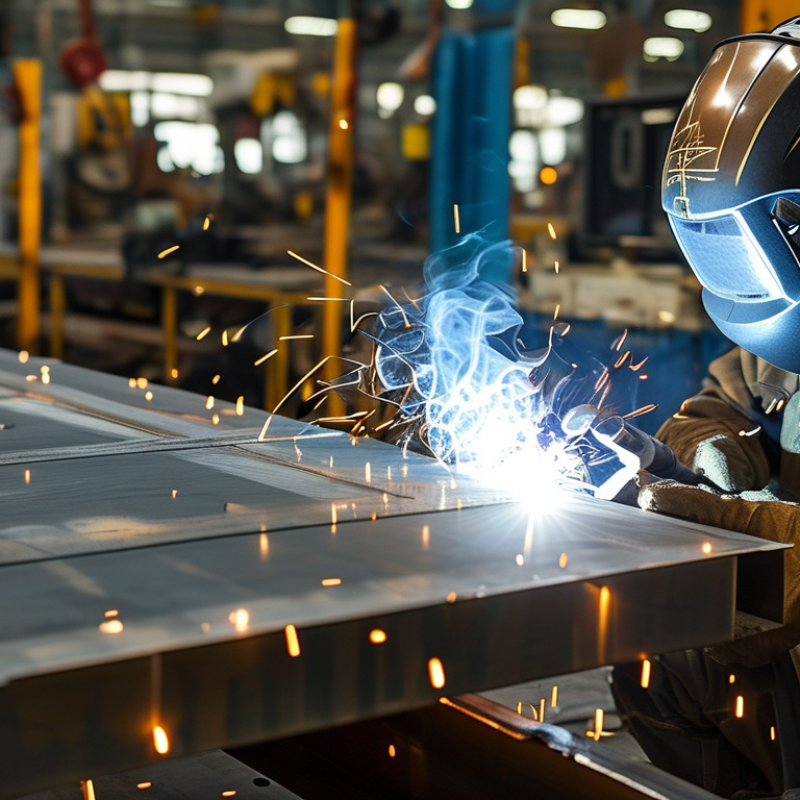
Overlap welding wire production lines are specialized setups designed for creating strong, durable wire products. These systems employ a technique called overlap welding, which involves overlapping two wire segments and then welding them together. This method ensures a solid bond, enhancing the material's strength. The process is efficient and helps reduce production time while improving quality.
One key benefit of using overlap welding is increased durability. The welded joints are often stronger than the base materials, leading to improved product lifespan. Additionally, this method can minimize material waste. By optimizing how wires are joined, manufacturers can significantly cut down on excess material usage. The result is not only cost-effective but also environmentally friendly.
Tips: Ensure to regularly maintain your welding equipment. Proper maintenance can prevent unexpected failures and downtime. It also extends the lifespan of your production line. Keep your workspace organized to improve efficiency. A tidy environment can lead to better focus and quality control.
Overlap welding wire production lines are defined by specific components that ensure efficiency and reliability. Central to these operations is the welding machine itself. It employs advanced technology to create strong welds through precise heat application. The machine's settings must be calibrated carefully for different wire types.
Another critical component is the wire feeding system. This system needs to be consistent to maintain production speed. Regular checks can prevent jams, which may lead to downtime. A reliable feeding mechanism reduces waste and improves overall productivity.
Remember to conduct regular maintenance checks on all equipment. Not only does this enhance the machine's lifespan, but it also improves safety. Operators should be trained to identify early signs of wear or malfunction.
Consider integrating automated controls. Automation can streamline operations and reduce human error. However, it’s essential to monitor the balance between automation and hands-on oversight. A thoughtful approach can yield better results over time.
The overlap welding wire production line offers numerous advantages for manufacturers. This advanced technology enables precise welding, which enhances the strength of wire products. The overlapping technique reduces defects typically associated with traditional welding methods. As a result, manufacturers report increased product lifespan and a decrease in returns due to quality issues.
Tips: Ensure that your production line is well-maintained. Regular inspections can prevent unexpected downtimes. Engage staff in training programs to boost efficiency.
Using an overlap welding wire production line also leads to cost savings. The consistent quality cuts down waste and the need for rework. By implementing this technology, companies can improve their overall operational efficiency. In a competitive market, being reliable and cost-effective can set a business apart.
Tips: Keep an eye on industry trends. Staying informed helps in making timely upgrades. Consider collaborating with experts for best practices in wire production.
Overlap welding wire has gained traction across various industries due to its efficiency and strength. In manufacturing, this wire is often used in the production of fencing, mesh products, and structural components. Its ability to create strong, consistent welds makes it ideal for applications requiring durability and resilience.
In construction, overlap welding wire finds its place in rebar assembly and other critical applications. It enhances the structural integrity of buildings. The automotive industry also leverages this technology in body assembly, where precision and strength are paramount. Overlap welding wire is essential in creating reliable connections that withstand stress and strain from everyday use.
Tips: When choosing overlap welding wire, consider the material compatibility. Different materials may require specific welding techniques for optimal results. Testing welds in a controlled environment is beneficial. It ensures that the desired strength is achieved. Small inconsistencies in welding can lead to significant issues down the line. Regular quality checks during production can mitigate these risks and improve overall outcomes.
The chart above illustrates the various applications of overlap welding wire across different industries, highlighting their respective usage percentages. The automotive and aerospace industries show particularly high utilization, showcasing the importance of overlap welding technology in these sectors.
The future of overlap welding wire production technology is bright and promising. Innovations in materials and automation are leading the way. These advancements improve efficiency and reduce waste. Enhanced quality control measures ensure that final products meet stringent standards. As manufacturers adopt smart technologies, production lines become more adaptable. They can quickly adjust to changing demands.
Tips: Always consider the material quality to improve the end product. Using higher quality raw materials can enhance durability.
Sustainability is another key aspect of future trends. Energy-efficient processes are becoming crucial. Companies are investing in equipment that uses less energy and minimizes emissions. This shift not only benefits the environment but also reduces costs over time. However, transitioning to sustainable practices can be challenging.
Tips: Evaluate your production line regularly to identify areas for improvement. Small changes can significantly impact overall performance.
Ultimately, the evolution of overlap welding wire production presents both challenges and opportunities. Manufacturers must stay informed about emerging technologies. Continuous learning and adaptation are essential for success in this dynamic field.
| Feature | Description | Benefit |
|---|---|---|
| High Precision Control | Utilizes advanced technology for maintaining accurate control over welding parameters. | Ensures consistent quality and reduces wastage. |
| Energy Efficiency | Designed to minimize energy consumption during the welding process. | Lower operational costs and environmental impact. |
| Versatility | Can handle various wire types and sizes for different applications. | Increases marketability and adaptability to customer needs. |
| Automated Production | Integrates robotics and automation throughout the production line. | Enhances production speed and reduces labor costs. |
| Quality Assurance | Incorporates real-time monitoring systems for quality checks. | Improves product reliability and customer satisfaction. |
„Thanks to the LUVIR technology, the solder resist process could be switched directly from the previously used mask exposure to direct exposure. As an outstanding digital solution on the market, this technology has been able to demonstrate fast process times and superior quality on our certified conventional ink in production. This allowed us to fully digitize the solder mask process at low cost – without process or ink adjustments. An excellent benefit to our production in Rot am See.“
Ralf Göhringer (Head of Production WE Rot am See)
I would definitely recommend the Limata machine and team for a future company purchase
Michael Greenaway
Compunetics Inc.
“The Limata ldi has been amazing!! Best thing we did was buy this machine”
Richard Brady
GM
Circuitlabs
“Since 2019, we have been running the Limata X1000 LDI system (including LUVIR for solder mask imaging) in daily production as an addition to our current process with film. The machine was capable of properly exposing Taiyo PSR-4000 BN (DI) solder mask types on normal to high-copper boards using a new and unique direct imaging process. The machine operating interface is very user friendly which allowed for a quick technical training curve. The pre-registration processing reduced several seconds of production time at every print. Limata support and service staff is incomparable. They supported our team every step of the way at basically any time of the day or night, with literally, an immediate response time, customizing the software interface to best fit our Operations and needs.
We have exposed more than 8,000 prints since end of October, on various solder mask colors and some resist film panels. Limata, has proven to be very capable and innovative. They are a strong contender in the industry.
We have very much enjoyed this project, and working with the team!
Thank you Limata for the continued support and being a part of our growth.”
Bill Sezate
Vice President, GM
Summit Interconnect
As a replacement to our current contact exposure process with film, the LIMATA X2000 system including LUVIR-Technology was capable of properly exposing non-LDI solder mask types using a direct imaging process. The machine offers cutting edge software with a very intuitive operating interface which allowed for quick technician training curve. The dual drawer system combined with pre-registration processing reduced several seconds of production time at every machine cycle. Limata support and service staff is world class. They added software patches to keep production running at shortest possible response times, customized the software interface to best fit our in-house Operations system, and even wrote a step-by-step machine processing manual. As a result of the project, we have exposed more than 16,000 times on various product types and solder mask brands/colors. Limata, in a very short timeframe as a company, has definitely shown they are truly innovative and will be challenging the industry of direct imaging for the top spot.
Kevin Beattie
Process Engineer
TTM Technologies
Forest Grove Division
