Polyurethane Fine Screen Mesh is an essential material in various industries. It is designed for high filtration needs, allowing precise separation of particles. This mesh stands out because of its durability and versatility.
Its unique structure ensures efficient performance, even under challenging conditions. Users often report enhanced productivity when employing Polyurethane Fine Screen Mesh in processes. This improvement can lead to significant cost savings and better resource management.
However, like any material, it has limitations. Understanding its properties is key to maximizing its benefits. Some might find it challenging to choose the right specifications. Reflection on these aspects can lead to smarter decisions in application and use.
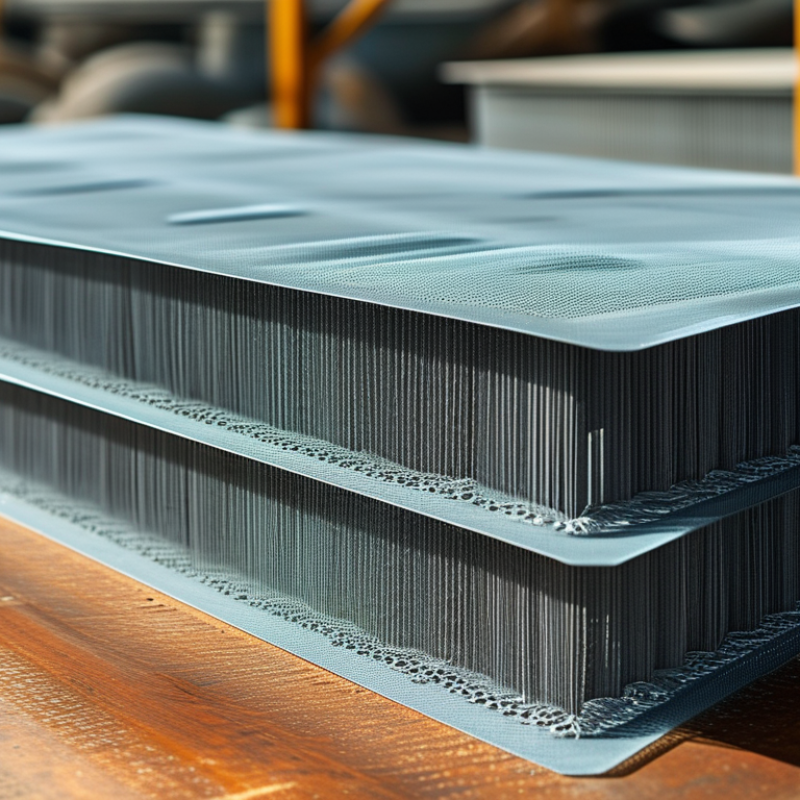
Polyurethane fine screen mesh is a versatile material used in various industries. It is crafted from polyurethane, a strong synthetic polymer. This mesh offers exceptional durability and flexibility. The unique composition allows it to withstand harsh conditions, making it ideal for mineral processing, waste water treatment, and food filtration.
In terms of benefits, polyurethane fine screen mesh excels in filtration efficiency. It can separate particles of different sizes with precision. The mesh is resistant to abrasion and does not easily tear. This increases its lifespan compared to traditional materials. Users often find that it requires less maintenance, which saves time and money in the long run.
However, some challenges exist. The initial cost may be higher than other options. Additionally, improper installation can lead to reduced effectiveness. Understanding the specific needs of each application is crucial. Jumping in without careful consideration could negate the advantages of this innovative mesh.
| Dimension | Details |
|---|---|
| Material | Polyurethane |
| Mesh Size | 20 to 300 microns |
| Flexibility | Highly flexible and durable |
| Chemical Resistance | Resistant to many chemicals and solvents |
| Applications | Used in mining, food processing, and water treatment |
| Advantages | High abrasion resistance, long lifecycle, lightweight |
| Cost Efficiency | Cost-effective in long-term applications |
Polyurethane fine screen mesh is increasingly vital in various industries. Its unique characteristics make it suitable for diverse applications. This mesh excels in mineral processing, where it is used to separate fine particles from liquids. The durability of polyurethane ensures that the mesh withstands harsh conditions. It resists wear, leading to longer service life.
In the food and beverage industry, polyurethane fine screen mesh plays a crucial role. It helps in food processing by filtering out impurities. This keeps products safe and enhances quality. However, maintaining hygiene standards can be challenging. Regular cleaning and inspections are essential to avoid contamination issues.
Another key application is in wastewater treatment. The mesh filters solid waste from liquids efficiently. This improves the overall treatment process. Yet, some facilities may overlook the importance of using the right mesh size. Choosing improperly sized mesh can lead to inefficiencies in filtration. Taking the time to evaluate these factors is crucial for optimal performance.
Polyurethane fine screen mesh offers numerous benefits compared to traditional mesh types. One significant advantage is its durability. Polyurethane is resistant to abrasion and weathering, making it ideal for various industrial applications. Unlike metal mesh, it does not rust or corrode, ensuring a longer lifespan. This means reduced replacement costs and less downtime for maintenance.
Another key benefit is flexibility. Polyurethane fine screen mesh can easily conform to different shapes and sizes. This adaptability allows for better fit and function in diverse settings. Its lightweight nature also makes handling and installation much easier, saving time and labor costs.
Tips: When selecting screen mesh, consider the specific application. Evaluate the environmental conditions and stresses the mesh will face. Proper installation is crucial for maximizing performance. Regular inspections can help identify wear early, prolonging service life. Always keep in mind that even the best materials require some level of maintenance. It’s wise to stay informed about the latest advancements in mesh technology to ensure optimal choices.
Polyurethane fine screen mesh is renowned for its durability and functionality. However, its maintenance is crucial for optimal performance. Regular inspection is essential to identify wear and tear. Industry research indicates that properly maintained mesh can last up to five times longer than those that are neglected. For instance, a study from the International Journal of Industrial Engineering notes that scheduled cleaning can enhance efficiency by 30%.
Durability is another key benefit. Polyurethane screens resist harsh chemicals, UV exposure, and extreme temperatures. The American Society for Testing and Materials (ASTM) emphasizes that this material can withstand a wide range of environmental conditions. However, it is important to monitor for signs of degradation. Users should schedule replacements every few years, even if there’s no visible damage. While polyurethane mesh is robust, neglecting to account for fatigue could lead to unexpected failures.
In practice, this means that consistent upkeep is not just a suggestion but a necessity. Failure to adhere to these maintenance protocols could result in costly downtime. Evaluating wear patterns can provide insights into the lifespan of the mesh. Thus, while polyurethane fine screen mesh boasts numerous advantages, it requires diligent care to ensure it performs as intended.
Polyurethane fine screen mesh is increasingly favored for its unique properties. Its flexibility and durability make it stand out in various applications. However, assessing its performance factors is crucial for optimal use.
When comparing performance factors, consider the mesh's tensile strength. A strong mesh can withstand heavy loads. This is vital for industries like mining and waste management. Also, its resistance to abrasion ensures longevity. Users often overlook this when making a decision.
Tips: Always check for compatibility with your materials. Consider environment factors such as temperature and chemical exposure. Regular maintenance can enhance the lifespan of the mesh.
Additionally, the mesh’s open area ratio is important. An optimal ratio ensures effective screening while maintaining flow rates. Keep in mind that a fine mesh can lead to blockages if not monitored. Understanding these elements can save costs and improve efficiency.
„Thanks to the LUVIR technology, the solder resist process could be switched directly from the previously used mask exposure to direct exposure. As an outstanding digital solution on the market, this technology has been able to demonstrate fast process times and superior quality on our certified conventional ink in production. This allowed us to fully digitize the solder mask process at low cost – without process or ink adjustments. An excellent benefit to our production in Rot am See.“
Ralf Göhringer (Head of Production WE Rot am See)
I would definitely recommend the Limata machine and team for a future company purchase
Michael Greenaway
Compunetics Inc.
“The Limata ldi has been amazing!! Best thing we did was buy this machine”
Richard Brady
GM
Circuitlabs
“Since 2019, we have been running the Limata X1000 LDI system (including LUVIR for solder mask imaging) in daily production as an addition to our current process with film. The machine was capable of properly exposing Taiyo PSR-4000 BN (DI) solder mask types on normal to high-copper boards using a new and unique direct imaging process. The machine operating interface is very user friendly which allowed for a quick technical training curve. The pre-registration processing reduced several seconds of production time at every print. Limata support and service staff is incomparable. They supported our team every step of the way at basically any time of the day or night, with literally, an immediate response time, customizing the software interface to best fit our Operations and needs.
We have exposed more than 8,000 prints since end of October, on various solder mask colors and some resist film panels. Limata, has proven to be very capable and innovative. They are a strong contender in the industry.
We have very much enjoyed this project, and working with the team!
Thank you Limata for the continued support and being a part of our growth.”
Bill Sezate
Vice President, GM
Summit Interconnect
As a replacement to our current contact exposure process with film, the LIMATA X2000 system including LUVIR-Technology was capable of properly exposing non-LDI solder mask types using a direct imaging process. The machine offers cutting edge software with a very intuitive operating interface which allowed for quick technician training curve. The dual drawer system combined with pre-registration processing reduced several seconds of production time at every machine cycle. Limata support and service staff is world class. They added software patches to keep production running at shortest possible response times, customized the software interface to best fit our in-house Operations system, and even wrote a step-by-step machine processing manual. As a result of the project, we have exposed more than 16,000 times on various product types and solder mask brands/colors. Limata, in a very short timeframe as a company, has definitely shown they are truly innovative and will be challenging the industry of direct imaging for the top spot.
Kevin Beattie
Process Engineer
TTM Technologies
Forest Grove Division
