Rotany Seals play a crucial role in various industrial applications. These specialized seals are designed to prevent leaks in rotating equipment. They ensure the reliable operation of machinery, which is vital for efficiency.
In industries like oil and gas, Rotany seals help contain fluids under high pressure. This prevents hazardous spills and protects the environment. Their ability to withstand extreme temperatures and pressures makes them essential in challenging conditions.
While Rotany seals are highly effective, there can be challenges. Improper installation may lead to premature failure. Regular maintenance is necessary to ensure their longevity. Understanding these potential issues allows engineers to make informed decisions and enhance performance.
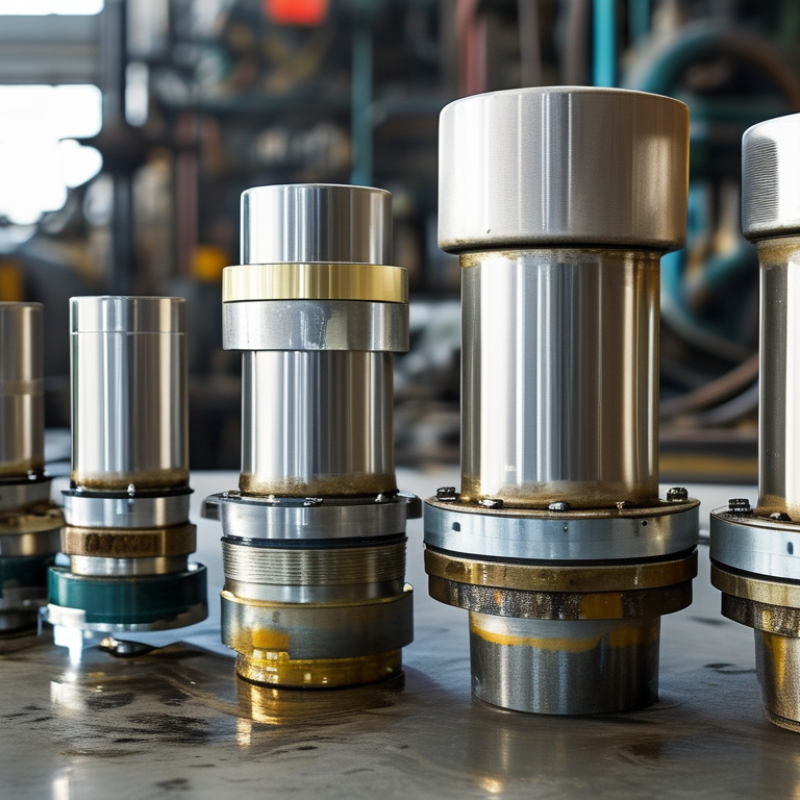
Rotary seals are crucial components in various industrial applications. They are designed to prevent leakage of fluids and contaminants between rotating and stationary parts. This unique sealing mechanism is vital in machinery such as pumps and motors, where maintaining pressure and protecting against dirt is essential. According to a recent industry report, the global rotary seal market was valued at approximately $3 billion in 2022. It is expected to grow steadily, driven by demands in industries like automotive and oil & gas.
These seals consist of elastomeric materials that flex to accommodate movement. Despite their effectiveness, rotary seals can fail, leading to leaks and equipment downtime. Common failure modes include abrasion, wear, and chemical degradation. Research indicates that nearly 30% of machinery failures are linked to improper sealing solutions. Regular monitoring of seal integrity is recommended to mitigate risks and enhance equipment lifespan.
The application of rotary seals is diverse. They are found in hydraulic systems, food processing, and aerospace. However, choosing the right material for specific environments is challenging. Not all rotary seals can withstand extreme temperatures or aggressive chemicals. Engineers often face a trade-off between flexibility and durability. This complexity highlights the need for careful material selection and design consideration in rotary seal development.
Rotary seals play a crucial role in various industrial applications. They are designed to prevent fluid leakage between rotating components. These seals work by creating a barrier that keeps lubricants or gases contained. The mechanical design typically incorporates elastomeric materials that deform under pressure. This deformation allows the seal to maintain contact with moving parts, ensuring efficient operation.
The functionality of rotary seals relies on several key mechanisms. One important aspect is the seal's ability to withstand friction. Friction can cause wear and tear over time. Proper material selection enhances durability. Temperature resistance is another critical factor. Many applications involve high temperatures that can degrade seal materials. Therefore, choosing the right compound affects seal longevity.
A common issue in rotary seals is premature failure. This often occurs due to improper installation or misalignment. Users must ensure accurate fitting to maintain optimal performance. Regular inspection is also vital. Monitoring for signs of wear can prevent catastrophic failures. By addressing these challenges, industries can enhance the reliability of their equipment.
Rotary seals are essential components in various industrial applications. They ensure the containment of lubricants while preventing contaminants from entering. The materials used in these seals significantly impact their performance and longevity.
Common materials for rotary seals include rubber, thermoplastics, and metals. Rubber, especially nitrile and silicone, offers excellent flexibility and resistance to wear. These materials can endure high pressures and fluctuating temperatures. Thermoplastic elastomers are also gaining popularity due to their durability and chemical resistance. Metals, often used in combination with elastomers, provide strength and stability under extreme conditions.
However, choosing the right material for rotary seals is not straightforward. It depends on application specifics, like pressure and temperature. Some materials may degrade faster than expected, which leads to failures. Proper testing and validation are crucial to ensure reliability. Sometimes, industrial practices overlook these factors, resulting in costly downtime. Investing time in understanding material properties can make a significant difference in performance.
| Material | Properties | Applications |
|---|---|---|
| Nitrile Rubber (NBR) | Good oil and fuel resistance, good abrasion resistance | Automotive engines, pumps, and hydraulic systems |
| Fluorocarbon (FKM) | Excellent temperature resistance, chemical resistance | Aerospace, chemical processing, and oil exploration |
| Polyurethane (PU) | High wear resistance, flexibility, and tear resistance | Industrial machinery and hydraulic systems |
| Silicone | Wide temperature range, good aging stability | Food processing, medical devices, and HVAC systems |
| PTFE (Teflon) | Exceptional chemical resistance, non-stick properties | Chemical pumps, seals in aggressive environments |
Rotary seals play a crucial role in various industrial applications. These seals are designed to prevent leaks and contain lubricants in rotating machinery. They are widely used in sectors such as automotive, aerospace, and manufacturing. In automotive applications, rotary seals ensure that engines operate smoothly by keeping oil contained while preventing contamination. Without effective seals, performance can degrade, leading to costly repairs.
In the aerospace industry, rotary seals are essential for maintaining the integrity of critical systems. They help manage fluids in hydraulic systems and ensure that aircraft components remain functional under varying pressures. Precision is key here, as even a minor leak can have serious safety implications. Similarly, in manufacturing, these seals are vital for machinery that relies on precise movement. They reduce wear and tear on components, extending equipment life.
However, challenges persist in the selection of the right materials and designs for specific applications. Different operating conditions, such as temperature and pressure, can affect seal performance. Engineers must carefully consider these factors to avoid potential failures. Testing and prototyping may be necessary to refine the design. This iterative process can be time-consuming but is essential for achieving reliable results in the field.
Rotary seals play a crucial role in various industries. They provide essential sealing solutions for equipment operating under extreme conditions. Yet, challenges persist in their development and implementation. Material degradation, wear, and improper installation are common issues. Such factors can lead to inefficiencies and costly downtimes. Also, the environment where these seals operate adds complexity. High temperatures, pressure fluctuations, and chemical exposure are everyday threats.
Innovation is essential in overcoming these challenges. Manufacturers are exploring advanced materials like elastomers and composites for better durability. Enhanced designs are also in development to improve sealing performance. These innovations aim to mitigate common issues and extend the service life of rotary seals. Companies are investing in research to ensure that solutions remain robust and effective.
Tips for better rotary seal performance include ensuring proper alignment during installation. Misalignment can lead to premature failure. Regular monitoring of seal conditions can help identify wear early. This proactive approach can save time and costs in maintenance. Consideration of operating conditions is also vital. Different environments demand specific seal designs to perform optimally.
„Thanks to the LUVIR technology, the solder resist process could be switched directly from the previously used mask exposure to direct exposure. As an outstanding digital solution on the market, this technology has been able to demonstrate fast process times and superior quality on our certified conventional ink in production. This allowed us to fully digitize the solder mask process at low cost – without process or ink adjustments. An excellent benefit to our production in Rot am See.“
Ralf Göhringer (Head of Production WE Rot am See)
I would definitely recommend the Limata machine and team for a future company purchase
Michael Greenaway
Compunetics Inc.
“The Limata ldi has been amazing!! Best thing we did was buy this machine”
Richard Brady
GM
Circuitlabs
“Since 2019, we have been running the Limata X1000 LDI system (including LUVIR for solder mask imaging) in daily production as an addition to our current process with film. The machine was capable of properly exposing Taiyo PSR-4000 BN (DI) solder mask types on normal to high-copper boards using a new and unique direct imaging process. The machine operating interface is very user friendly which allowed for a quick technical training curve. The pre-registration processing reduced several seconds of production time at every print. Limata support and service staff is incomparable. They supported our team every step of the way at basically any time of the day or night, with literally, an immediate response time, customizing the software interface to best fit our Operations and needs.
We have exposed more than 8,000 prints since end of October, on various solder mask colors and some resist film panels. Limata, has proven to be very capable and innovative. They are a strong contender in the industry.
We have very much enjoyed this project, and working with the team!
Thank you Limata for the continued support and being a part of our growth.”
Bill Sezate
Vice President, GM
Summit Interconnect
As a replacement to our current contact exposure process with film, the LIMATA X2000 system including LUVIR-Technology was capable of properly exposing non-LDI solder mask types using a direct imaging process. The machine offers cutting edge software with a very intuitive operating interface which allowed for quick technician training curve. The dual drawer system combined with pre-registration processing reduced several seconds of production time at every machine cycle. Limata support and service staff is world class. They added software patches to keep production running at shortest possible response times, customized the software interface to best fit our in-house Operations system, and even wrote a step-by-step machine processing manual. As a result of the project, we have exposed more than 16,000 times on various product types and solder mask brands/colors. Limata, in a very short timeframe as a company, has definitely shown they are truly innovative and will be challenging the industry of direct imaging for the top spot.
Kevin Beattie
Process Engineer
TTM Technologies
Forest Grove Division
