The rise of the Global Drone market is reshaping numerous industries. According to a report by ResearchAndMarkets, the global drone market is expected to reach $43 billion by 2024. This growth stems from various sectors embracing drone technology for efficiency and cost-effectiveness. Industries such as agriculture, logistics, and surveillance are increasingly incorporating drones into their operations.
Despite the impressive advancements, businesses face challenges when sourcing drones. The market is diverse, featuring numerous manufacturers and models. Each drone varies in functionality, price, and compliance with regulations. Companies must navigate these complexities to find the right fit for their needs. Understanding local regulations and operational requirements is crucial for successful implementation.
As businesses explore options, it's essential to consider both capabilities and limitations. Drones can enhance productivity but may also present risks and ethical concerns. Companies must evaluate how they can responsibly integrate this technology. Developing a strategy that includes thorough research and consultation with experts will be key to successful drone sourcing.
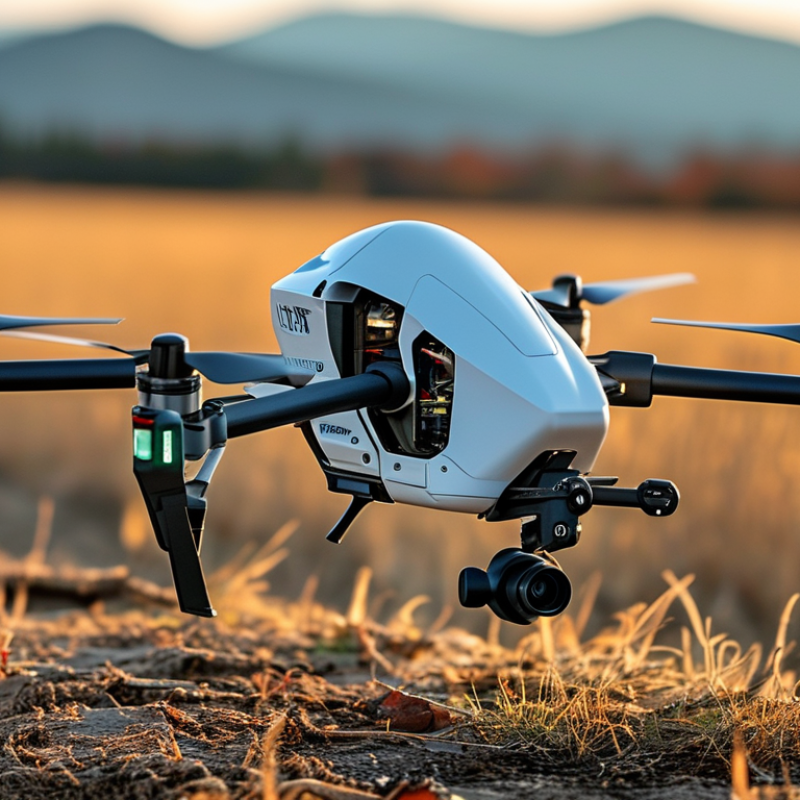
When sourcing global drones for business, defining your needs is vital. Identify specific applications for drone use. Consider logistics, surveillance, or aerial photography. Each purpose demands different features. For instance, a logistics drone should have robust payload capabilities. A surveillance drone might prioritize camera quality and flight duration.
Evaluate the regulatory environment in your target regions. Local laws impact your choice of drones. Understanding these regulations affects flight permissions and usage limitations. Collaborate with legal experts to navigate these complexities effectively.
Take the time to assess your budget, too. Drones range widely in price, depending on features and technology. A high-end drone might offer more capabilities, but consider ongoing maintenance and training costs. Reflect on whether an expensive model is necessary or if a mid-range option could serve your needs just as well. Balancing quality and cost is challenging yet critical for success.
When exploring the global drone market, it's essential to understand the variety available. Drones can range from small consumer UAVs to large commercial systems. Each type serves different purposes, making research crucial. For example, agricultural drones often feature crop-sensing technology. Their capabilities can support precision farming and resource management. This creates opportunities for efficiency in farming practices.
Additionally, delivery drones have gained momentum in urban environments. They can navigate through complex cityscapes. However, challenges exist, such as airspace regulations and operational safety. Companies need to address these hurdles before deployment. Moreover, surveying drones are widely used in construction and real estate. They provide aerial views and detailed maps but can be expensive to operate and maintain.
Finding the right drone requires careful consideration of these factors. Researching global suppliers can unearth unique offerings tailored to specific needs. However, the abundance of choices can be overwhelming. Businesses must prioritize their requirements, such as payload capacity and flight duration. Reflecting on these aspects can lead to more informed decisions.
Evaluating potential drone suppliers and manufacturers requires a keen understanding of the industry landscape. Data from the International Drone Federation indicates the global drone market is set to reach $42.8 billion by 2027. This growth means numerous suppliers are emerging. It's essential to assess their capabilities critically. Look for manufacturers with a solid track record in the specific applications you require. Supplier certifications can reflect their commitment to quality.
Consider establishing criteria for evaluation. Key factors include product reliability, compliance with regulations, and customer support. A recent survey from Drone Industry Insights highlighted that 50% of businesses ranked post-sale service as crucial in their selection process. This reflects the necessity for ongoing support. Engaging with suppliers who demonstrate transparency can improve your chances of securing quality drones.
Tip: Request samples to understand a supplier's product. This step can reveal performance issues.
Networking in industry forums can also yield valuable insights about suppliers. Peers often share experiences that can highlight potential red flags. Be prepared for variations in specifications and performance claims. However, ensure you ask the right questions. This process will help you avoid disappointments later.
Tip: Analyze supplier reviews and ratings. They can guide you toward reliable partners.
When sourcing drones for your business, selecting the right vendor is crucial. Establishing clear criteria is the first step. Industry reports indicate that 45% of companies struggle with vendor reliability. You need vendors who demonstrate expertise and have a track record of successful projects. Look for those with certifications and positive client testimonials. Drones are not a one-size-fits-all solution; understanding your specific business needs is vital.
Price often influences decision-making, but value is more important. A study showed that 65% of companies regretted choosing cheaper options. These often lack quality and support. Consider ongoing maintenance and customer service as part of your evaluation. Vendors with solid support systems often score higher in client satisfaction.
Different sectors require different capabilities in drones. Mapping, surveillance, or delivery each demands specialized features. Research vendor offerings in detail. Be prepared to ask tough questions. How adaptable are their solutions for your needs? Some vendors may promise extensive features, but do they deliver on those promises? Effective communication with potential vendors can reveal their reliability and expertise. Prioritize vendors that show genuine interest in understanding your business objectives.
Understanding the legal and regulatory landscape is crucial when sourcing drones for business needs. Each country has its own set of laws governing the use and purchase of drones. For instance, the Federal Aviation Administration (FAA) in the United States requires commercial drone users to obtain a Remote Pilot Certificate. The need for compliance is backed by a report from the International Civil Aviation Organization, which indicates that over 80% of nations have established regulations for unmanned aerial vehicles.
Obtaining the necessary permits and licenses can be complex. Many businesses underestimate the time and resources required for this process. A 2022 industry survey revealed that 40% of drone users reported facing significant compliance challenges. Regularly reviewing local regulations is essential. The laws may evolve, and staying updated can prevent costly penalties.
Insurance is another critical consideration. Many companies overlook liability coverage for drone operations. A recent study suggests that nearly 25% of drone operators lack adequate insurance. This gap can lead to financial risks. Investing time in understanding these legal aspects can save substantial amounts in the long run.
„Thanks to the LUVIR technology, the solder resist process could be switched directly from the previously used mask exposure to direct exposure. As an outstanding digital solution on the market, this technology has been able to demonstrate fast process times and superior quality on our certified conventional ink in production. This allowed us to fully digitize the solder mask process at low cost – without process or ink adjustments. An excellent benefit to our production in Rot am See.“
Ralf Göhringer (Head of Production WE Rot am See)
I would definitely recommend the Limata machine and team for a future company purchase
Michael Greenaway
Compunetics Inc.
“The Limata ldi has been amazing!! Best thing we did was buy this machine”
Richard Brady
GM
Circuitlabs
“Since 2019, we have been running the Limata X1000 LDI system (including LUVIR for solder mask imaging) in daily production as an addition to our current process with film. The machine was capable of properly exposing Taiyo PSR-4000 BN (DI) solder mask types on normal to high-copper boards using a new and unique direct imaging process. The machine operating interface is very user friendly which allowed for a quick technical training curve. The pre-registration processing reduced several seconds of production time at every print. Limata support and service staff is incomparable. They supported our team every step of the way at basically any time of the day or night, with literally, an immediate response time, customizing the software interface to best fit our Operations and needs.
We have exposed more than 8,000 prints since end of October, on various solder mask colors and some resist film panels. Limata, has proven to be very capable and innovative. They are a strong contender in the industry.
We have very much enjoyed this project, and working with the team!
Thank you Limata for the continued support and being a part of our growth.”
Bill Sezate
Vice President, GM
Summit Interconnect
As a replacement to our current contact exposure process with film, the LIMATA X2000 system including LUVIR-Technology was capable of properly exposing non-LDI solder mask types using a direct imaging process. The machine offers cutting edge software with a very intuitive operating interface which allowed for quick technician training curve. The dual drawer system combined with pre-registration processing reduced several seconds of production time at every machine cycle. Limata support and service staff is world class. They added software patches to keep production running at shortest possible response times, customized the software interface to best fit our in-house Operations system, and even wrote a step-by-step machine processing manual. As a result of the project, we have exposed more than 16,000 times on various product types and solder mask brands/colors. Limata, in a very short timeframe as a company, has definitely shown they are truly innovative and will be challenging the industry of direct imaging for the top spot.
Kevin Beattie
Process Engineer
TTM Technologies
Forest Grove Division
