In today's global market, sourcing high-quality Metal Machined Parts is critical for manufacturers. The metal machining industry is expected to reach a value of over $200 billion by 2026, with steady growth driven by technological advancements. A report by Grand View Research highlights that an increased focus on precision engineering and the demand for lightweight components is pushing this industry forward.
However, identifying reliable suppliers for metal machined parts can be challenging. Quality varies significantly across regions and manufacturers. Companies need to analyze potential partners carefully. Factors such as certifications, production capabilities, and logistics must be considered. A mistake in sourcing can lead to costly delays and compromised product integrity.
Companies must also reflect on their sourcing strategies. Are current suppliers meeting quality and delivery standards? Regular audits and assessments may reveal gaps that need attention. Making informed decisions in this dynamic landscape is essential to ensure a competitive edge. Quality metal machined parts are not just an option; they are essential for operational success.
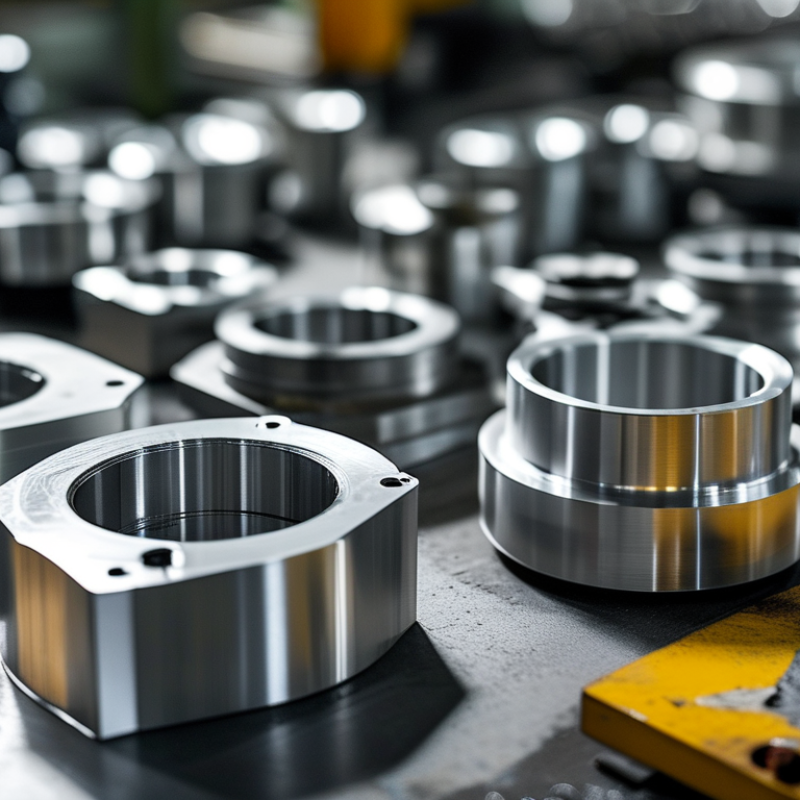
When sourcing high-quality metal machined parts, understanding your specific requirements is crucial. Consider dimensions, tolerances, material grade, and finish. According to a report by Grand View Research, the global precision machining market is expected to reach $281.2 billion by 2025. This indicates a growing demand for precision in manufacturing.
Identifying your specific machining needs can save time and costs. Conversely, unclear specifications can lead to poor quality and increased rework. A study from Industry Week found that around 30% of manufacturing defects stem from ambiguous design specifications. Clear, detailed requirements are essential to avoid these pitfalls.
In addition to specifications, consider the supplier's capabilities. Evaluate their technology and processes. Assessing their quality control measures can ensure they meet your needs. However, remember that not all suppliers may have the same expertise. Picking a reliable partner is a task that warrants careful thought and research.
When researching potential suppliers and manufacturers for high-quality metal machined parts, thorough evaluation is crucial. The global metal machining market, valued at approximately $70 billion in 2022, is projected to grow at a CAGR of 6.5% through 2028. This growth highlights the increasing demand for precision parts across various industries, including automotive and aerospace.
Start by identifying suppliers with a solid track record. Look for certifications like ISO 9001, which ensures quality management systems are in place. Reviewing case studies can provide insight into a supplier's experience and capabilities. Online platforms and industry trade shows are also valuable resources for initial research. However, one must question the reliability of online reviews. They can be misleading and sometimes lack substance.
Engage in direct communication with potential suppliers. Ask specific questions about their machining processes, materials used, and quality control measures. Be wary of suppliers that are vague or unresponsive. This could signal potential issues in reliability and transparency. Additionally, assess their ability to meet your volume requirements consistently. The capacity to deliver under pressure is a critical indicator of a supplier’s reliability.
This chart illustrates the distribution of qualified suppliers for high-quality metal machined parts across different regions worldwide. Asia leads with the highest number of suppliers, followed by Europe and North America, indicating a strong manufacturing base in these areas.
When sourcing high-quality metal machined parts, evaluating quality standards and certifications is crucial. Industry reports show that companies often face challenges in ensuring consistent quality. According to a 2022 study by the International Organization for Standardization (ISO), 80% of companies experienced issues with substandard materials. Such problems lead to increased costs and production delays.
Certifications like ISO 9001 help organizations demonstrate their commitment to quality management. This standard emphasizes process control and continuous improvement. Manufacturers must understand the importance of compliance with these standards. Unfortunately, many overlook the need for
Another essential certification is the American National Standards Institute (ANSI) for machinery safety. Adhering to these regulations can significantly reduce risks in production. Studies reveal that businesses with certified quality standards see a 25% increase in customer satisfaction. However, achieving compliance is not always straightforward. Companies must invest in training and resources. Balancing budget constraints with quality needs remains a complex issue for many.
Effective communication and negotiation are essential when sourcing high-quality metal machined parts globally. Clear communication reduces misunderstanding and ensures that requirements are met. According to a report by the International Association for Contract and Commercial Management, 75% of contract disputes arise from poor communication. Thus, it’s vital to establish a common language and shared goals early in the negotiation process.
Utilizing communication tools is helpful. Video calls, instant messaging, and collaborative software can enhance interaction. A study by McKinsey found that strong communication can improve project success by up to 25%. However, relying solely on technology can be flawed. Misinterpretations can arise from lack of non-verbal cues. Face-to-face meetings should not be overlooked, especially for significant negotiations.
Negotiation requires preparation. Understand the cultural context of your partners. Research shows that 70% of business deals fail due to cultural misunderstandings. Clearly outlined expectations and terms help avoid conflicts later. Be open to adjustments while keeping your core needs intact. This flexibility builds trust and can lead to successful long-term partnerships.
Quality control and inspection processes play a critical role in sourcing high-quality metal machined parts. Establishing standards is essential. This involves defining clear specifications for materials and tolerances, which ensure consistency. Quality checks at every stage catch issues early, preventing costly delays later.
Utilizing advanced inspection techniques can enhance reliability. This includes using coordinate measuring machines (CMM) and other precision tools. These methods can reveal even minor defects. Regular audits of suppliers add another layer of scrutiny. It’s valuable to visit production facilities and engage with engineers. This fosters relationships that enhance trust and communication.
However, challenges often arise. Some manufacturers may rush to meet deadlines, leading to oversight. Implementing a robust feedback loop can address this. Collecting data from inspections helps refine processes. It’s a learning curve. Constant improvement is the goal. Balancing speed with precision remains a complex task.
„Thanks to the LUVIR technology, the solder resist process could be switched directly from the previously used mask exposure to direct exposure. As an outstanding digital solution on the market, this technology has been able to demonstrate fast process times and superior quality on our certified conventional ink in production. This allowed us to fully digitize the solder mask process at low cost – without process or ink adjustments. An excellent benefit to our production in Rot am See.“
Ralf Göhringer (Head of Production WE Rot am See)
I would definitely recommend the Limata machine and team for a future company purchase
Michael Greenaway
Compunetics Inc.
“The Limata ldi has been amazing!! Best thing we did was buy this machine”
Richard Brady
GM
Circuitlabs
“Since 2019, we have been running the Limata X1000 LDI system (including LUVIR for solder mask imaging) in daily production as an addition to our current process with film. The machine was capable of properly exposing Taiyo PSR-4000 BN (DI) solder mask types on normal to high-copper boards using a new and unique direct imaging process. The machine operating interface is very user friendly which allowed for a quick technical training curve. The pre-registration processing reduced several seconds of production time at every print. Limata support and service staff is incomparable. They supported our team every step of the way at basically any time of the day or night, with literally, an immediate response time, customizing the software interface to best fit our Operations and needs.
We have exposed more than 8,000 prints since end of October, on various solder mask colors and some resist film panels. Limata, has proven to be very capable and innovative. They are a strong contender in the industry.
We have very much enjoyed this project, and working with the team!
Thank you Limata for the continued support and being a part of our growth.”
Bill Sezate
Vice President, GM
Summit Interconnect
As a replacement to our current contact exposure process with film, the LIMATA X2000 system including LUVIR-Technology was capable of properly exposing non-LDI solder mask types using a direct imaging process. The machine offers cutting edge software with a very intuitive operating interface which allowed for quick technician training curve. The dual drawer system combined with pre-registration processing reduced several seconds of production time at every machine cycle. Limata support and service staff is world class. They added software patches to keep production running at shortest possible response times, customized the software interface to best fit our in-house Operations system, and even wrote a step-by-step machine processing manual. As a result of the project, we have exposed more than 16,000 times on various product types and solder mask brands/colors. Limata, in a very short timeframe as a company, has definitely shown they are truly innovative and will be challenging the industry of direct imaging for the top spot.
Kevin Beattie
Process Engineer
TTM Technologies
Forest Grove Division
