In today's competitive market, product durability is crucial for customer satisfaction and brand reputation. Research indicates that over 50% of consumers prioritize durability when making purchases. One effective solution to enhance product longevity is "spiral protection." This innovative design provides a robust barrier against physical damage and environmental factors.
Industry reports highlight that products featuring spiral protection can withstand extreme conditions better than those without. For instance, studies show a 30% increase in impact resistance with spiral-wrapped materials. This technology not only extends the life of the products but also reduces waste, promoting a more sustainable approach.
However, while spiral protection offers significant benefits, it is not a one-size-fits-all solution. Different applications may require varying levels of reinforcement. Moreover, the initial cost of implementing this technology can be a concern for manufacturers. Balancing cost-effectiveness with durability remains a challenge. Overall, exploring the advantages and limitations of spiral protection is essential for enhancing product durability in diverse industries.
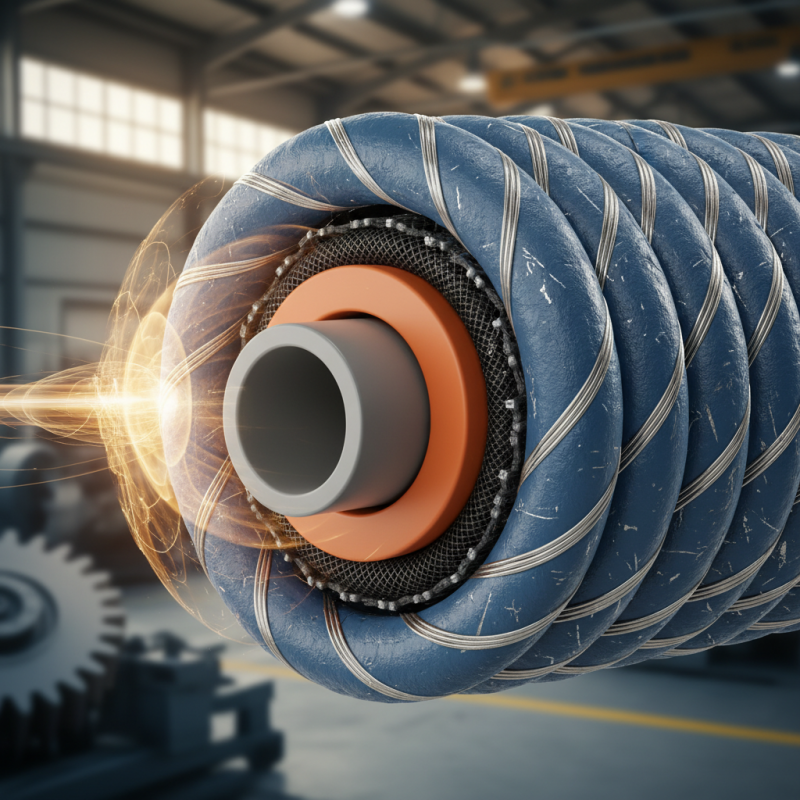
Spiral protection is an innovative method designed to enhance product longevity. This protective mechanism involves encasing items in a spiral layer made from durable materials. The unique design of spiral protection allows for flexibility, acting like a cushion that absorbs shocks. This helps reduce damage from impacts and environmental factors.
Understanding how spiral protection works reveals its effectiveness. The spiral structure disperses energy, minimizing the impact on the underlying product. For instance, in the case of electronic devices, such protection can guard against drops or rough handling. However, not all products benefit equally from it. Some items might require additional support or different protective measures.
While spiral protection offers significant advantages, it is essential to recognize its limitations. The material must be carefully chosen to ensure durability. If not, it might wear out quicker than expected. Also, tolerance levels vary among products. Thus, manufacturers must assess the specific needs of each item. This complexity suggests that a one-size-fits-all solution may not exist. Seeking expert guidance during the implementation of spiral protection can lead to better outcomes.
Spiral protection is an innovative approach to enhancing product durability. This mechanism involves the use of spiraled materials to provide a reinforced structure. According to the latest industry reports, products utilizing spiral protection show a durability increase of up to 30%. This is significant when considering consumer expectations for longevity and reliability.
The design incorporates overlapping spiral layers that absorb shock and distribute stress evenly across surfaces. This technology is not just beneficial for physical products; it can also be applied in various sectors, from automotive to electronics. A study from a leading materials science journal emphasizes that products featuring this design can withstand extreme conditions, effectively prolonging their lifecycle and reducing the need for replacements.
However, there are challenges associated with deploying spiral protection. Cost considerations can be a barrier for manufacturers. While initial investments in this technology are high, the long-term benefits often outweigh these costs. A comprehensive analysis revealed that companies implementing spiral protection reported a 25% reduction in warranty claims. This reflects an important trade-off for manufacturers striving to balance quality and expenditure.
Spiral protection is a versatile solution that enhances durability across various industries. In construction, spiral protective wraps are often used on pipes and wires, safeguarding them from abrasion and environmental damage. This added layer can extend the lifespan of these materials, reducing costs associated with replacements and maintenance.
In the automotive sector, spiral protection is crucial for cable management. It helps bundle wires together while shielding them from heat and friction. This not only improves safety but also simplifies maintenance tasks. However, one must remember that improper installation can lead to additional strain, undermining the protective benefits.
The electronics industry also benefits from spiral protection. Cables and components are often exposed to potentially damaging forces. Spiral wraps offer both mechanical protection and flexibility. Yet, it's vital to ensure correct sizing and application. Over-tightening can constrict cables, leading to potential failures. Awareness of these details can greatly enhance product durability in various applications.
When it comes to product durability, traditional protective methods often fall short. Traditional padding or case designs might offer a basic layer of security, but they lack the comprehensive coverage that spiral protection provides. Spiral protection systems use a unique design, wrapping around the product to distribute stress more evenly. This ensures that impacts are absorbed efficiently, minimizing damage during drops or collisions.
Moreover, the flexibility of spiral protection allows it to adapt seamlessly to various product shapes. While traditional methods may restrict movement, spiral designs maintain functionality while enhancing strength. This adaptability shows how innovative thinking can lead to significant improvements. However, some might argue that new methods can be more costly upfront.
Testing spiral protection against conventional methods reveals a promising trend. In many scenarios, products with spiral protection showed less wear and tear. Yet, it’s essential to continue assessing long-term performance. There remain uncertainties about its effectiveness over time, especially under extreme conditions. Continuous research and feedback from users can guide future enhancements in both spiral protection and other methods.
Spiral protection technology is evolving rapidly. It focuses on enhancing product durability across various industries. This development is crucial, especially for sectors relying on long-lasting materials. Companies are investing in innovative designs to improve performance and longevity.
Future trends indicate a shift towards smart materials. These materials respond to environmental changes, offering personalized protection. For instance, temperature-sensitive spirals could expand in heat. Such adaptability may prevent damage in extreme conditions. However, while these advancements sound promising, there's a risk of over-reliance on technology.
Another trend is the focus on sustainability. Biodegradable spiral materials are gaining interest. They aim to reduce waste while maintaining strength. Yet, achieving the right balance between durability and eco-friendliness remains a challenge. This ongoing exploration reflects the industry's commitment to innovation and responsibility.
„Thanks to the LUVIR technology, the solder resist process could be switched directly from the previously used mask exposure to direct exposure. As an outstanding digital solution on the market, this technology has been able to demonstrate fast process times and superior quality on our certified conventional ink in production. This allowed us to fully digitize the solder mask process at low cost – without process or ink adjustments. An excellent benefit to our production in Rot am See.“
Ralf Göhringer (Head of Production WE Rot am See)
I would definitely recommend the Limata machine and team for a future company purchase
Michael Greenaway
Compunetics Inc.
“The Limata ldi has been amazing!! Best thing we did was buy this machine”
Richard Brady
GM
Circuitlabs
“Since 2019, we have been running the Limata X1000 LDI system (including LUVIR for solder mask imaging) in daily production as an addition to our current process with film. The machine was capable of properly exposing Taiyo PSR-4000 BN (DI) solder mask types on normal to high-copper boards using a new and unique direct imaging process. The machine operating interface is very user friendly which allowed for a quick technical training curve. The pre-registration processing reduced several seconds of production time at every print. Limata support and service staff is incomparable. They supported our team every step of the way at basically any time of the day or night, with literally, an immediate response time, customizing the software interface to best fit our Operations and needs.
We have exposed more than 8,000 prints since end of October, on various solder mask colors and some resist film panels. Limata, has proven to be very capable and innovative. They are a strong contender in the industry.
We have very much enjoyed this project, and working with the team!
Thank you Limata for the continued support and being a part of our growth.”
Bill Sezate
Vice President, GM
Summit Interconnect
As a replacement to our current contact exposure process with film, the LIMATA X2000 system including LUVIR-Technology was capable of properly exposing non-LDI solder mask types using a direct imaging process. The machine offers cutting edge software with a very intuitive operating interface which allowed for quick technician training curve. The dual drawer system combined with pre-registration processing reduced several seconds of production time at every machine cycle. Limata support and service staff is world class. They added software patches to keep production running at shortest possible response times, customized the software interface to best fit our in-house Operations system, and even wrote a step-by-step machine processing manual. As a result of the project, we have exposed more than 16,000 times on various product types and solder mask brands/colors. Limata, in a very short timeframe as a company, has definitely shown they are truly innovative and will be challenging the industry of direct imaging for the top spot.
Kevin Beattie
Process Engineer
TTM Technologies
Forest Grove Division
