Selecting the right Medium Voltage Switchgear is crucial for any electrical installation. Experts stress the importance of this decision. James Carter, a renowned electrical engineer, notes, "The efficiency of a system heavily relies on the switchgear quality." His insight highlights the pivotal role medium voltage switchgear plays in electrical networks.
Medium Voltage Switchgear acts as a gatekeeper in power distribution. It ensures safety and reliability in electrical systems ranging from 1 kV to 36 kV. The choices made in this field can greatly impact the performance and longevity of electrical installations. It's not just about selecting a product; it's about choosing a solution that meets specific operational needs.
When evaluating medium voltage switchgear, consider factors like insulation type, maintenance requirements, and space constraints. Each aspect can influence performance and future scalability. Reflecting on these parameters can help avoid costly mistakes later. A well-informed decision leads to more efficient energy distribution and enhances overall system reliability.
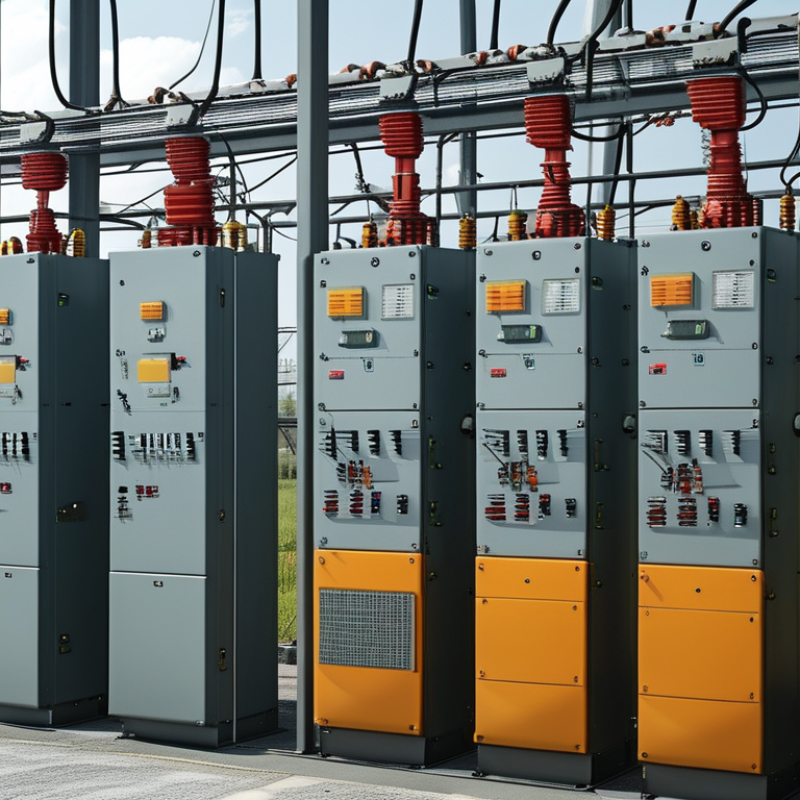
When selecting medium voltage switchgear, understanding the different types and their applications is crucial. Medium voltage switchgear generally operates between 1 kV and 35 kV. It plays a vital role in electrical distribution systems, ensuring reliability and safety. In this category, there are three main types: metal-clad, metal-enclosed, and gas-insulated switchgear. Each type has unique characteristics and applications.
Metal-clad switchgear is known for its robustness. It offers great protection against environmental factors and has a high short-circuit withstand strength. This type is commonly used in industrial plants and large commercial buildings. On the other hand, metal-enclosed switchgear provides a compact solution, often found in urban settings where space is limited. Gas-insulated switchgear, while more costly, is perfect for areas with severe weather conditions. Its superior insulation properties make it a reliable choice for critical infrastructure.
Nonetheless, choosing the right type can be challenging. Each installation has specific needs and constraints. It’s important to thoroughly assess your requirements. Consider fault levels, maintenance accessibility, and environmental conditions. Engaging with experienced professionals can provide valuable insights. They can help address potential oversights and ensure your switchgear will operate efficiently. The right choice ultimately enhances your system's performance and longevity.
When selecting medium voltage switchgear, several key factors demand attention. The voltage rating is critical. Ensure it aligns with the specific application needs. It's essential to understand your power requirements clearly. An oversight here can lead to equipment failure.
Another significant aspect is the space available for installation. Medium voltage switchgear can be bulky. Assessing the installation site ensures you choose a design that fits well. Consider factors such as maintenance access and airflow for cooling. A poorly placed switchgear can complicate repairs and increase downtime.
Durability is also an essential point. Look for materials that withstand environmental factors. Corrosion resistance can prolong the lifespan of switchgear. It’s important to evaluate the manufacturer's reputation and field experience. Not all products are created equal; some may not hold up under pressure. Reflecting on past choices can guide better decisions in future projects.
| Key Factor | Description | Importance |
|---|---|---|
| Rating and Standards | Ensure that the switchgear meets national and international standards, such as IEC or ANSI. | High |
| Voltage Rating | Verify the voltage capacity of the switchgear to match your system requirements. | Critical |
| Current Rating | Check the current rating of switchgear to ensure it can handle expected loads. | Important |
| Protection Features | Look for switchgear that provides adequate protection against overloads and short circuits. | Very High |
| Environmental Conditions | Consider the environmental setting (indoor/outdoor) and the operating temperature range. | High |
| Maintenance Access | Ensure easy access for maintenance and inspection purposes to prolong lifecycle. | Moderate |
| Budget Constraints | Evaluate the cost of switchgear to ensure it fits within your financial plan while meeting quality standards. | Critical |
Selecting medium voltage switchgear requires careful consideration of technical specifications. When evaluating these specs, consider the power rating. It must match your system's needs. If it’s slightly off, performance can suffer. Under or overrating can lead to inefficiencies, and ultimately, costly maintenance. Ensure the switchgear handles peak load requirements.
Another key aspect is insulation type. Different applications demand specific insulation methods. For example, air-insulated switchgear may suit some environments, while gas-insulated systems offer compact designs for space constraints. Each option has trade-offs. An experienced team can guide you through these choices based on facility conditions.
Pay attention to safety ratings, too. They should comply with industry standards to ensure reliable operation. Deficient safety features invite unnecessary risks. Always check the switchgear's short-circuit withstand rating. A lower rating may require future upgrades. Balancing these factors can be complex, and expert advice is invaluable. Conducting thorough evaluations ensures a robust and efficient system.
When selecting medium voltage switchgear, understanding safety standards and regulations is crucial. Compliance with local and international standards ensures reliable operation. It protects both users and equipment from potential hazards. Always verify certifications that correspond with your region's regulations.
Another important aspect is the environmental conditions where the switchgear will operate. Extreme temperatures, humidity, and dust can affect performance. Assessing the switchgear's ratings in relation to these environmental factors can prevent future failures.
Finally, don't overlook the importance of regular maintenance. Even compliant switchgear can develop issues over time. Create a flexible maintenance schedule based on observed performance rather than strict timelines. This approach allows for continuous improvement. Regular assessments can reveal overlooked risks that could lead to serious problems.
When evaluating medium voltage switchgear, budget considerations are paramount. Understanding the initial costs, installation expenses, and long-term maintenance is crucial. An industry report from the Electrical Power Research Institute indicates that approximately 70% of total ownership costs occur post-installation, primarily through maintenance and unexpected repairs.
Installation costs can vary widely, often reflecting the complexity of the switchgear setup. Some configurations require specialized labor, potentially increasing the budget by over 15%. Additionally, standard switchgear could range anywhere from $20,000 to $100,000, depending on capacity and features. This initial expenditure may seem daunting, yet it is important to plan for inevitable future costs.
Analysis reveals that investing in high-quality switchgear, albeit costlier upfront, can reduce operational costs by up to 20% over ten years. However, it is essential for companies to balance immediate affordability with long-term reliability. Misjudging budget allocations could lead to higher repair costs, ultimately detracting from operational efficiency. Therefore, a thorough cost analysis, led by detailed insights and realistic budgeting, ensures the chosen switchgear aligns with both current needs and future capabilities.
„Thanks to the LUVIR technology, the solder resist process could be switched directly from the previously used mask exposure to direct exposure. As an outstanding digital solution on the market, this technology has been able to demonstrate fast process times and superior quality on our certified conventional ink in production. This allowed us to fully digitize the solder mask process at low cost – without process or ink adjustments. An excellent benefit to our production in Rot am See.“
Ralf Göhringer (Head of Production WE Rot am See)
I would definitely recommend the Limata machine and team for a future company purchase
Michael Greenaway
Compunetics Inc.
“The Limata ldi has been amazing!! Best thing we did was buy this machine”
Richard Brady
GM
Circuitlabs
“Since 2019, we have been running the Limata X1000 LDI system (including LUVIR for solder mask imaging) in daily production as an addition to our current process with film. The machine was capable of properly exposing Taiyo PSR-4000 BN (DI) solder mask types on normal to high-copper boards using a new and unique direct imaging process. The machine operating interface is very user friendly which allowed for a quick technical training curve. The pre-registration processing reduced several seconds of production time at every print. Limata support and service staff is incomparable. They supported our team every step of the way at basically any time of the day or night, with literally, an immediate response time, customizing the software interface to best fit our Operations and needs.
We have exposed more than 8,000 prints since end of October, on various solder mask colors and some resist film panels. Limata, has proven to be very capable and innovative. They are a strong contender in the industry.
We have very much enjoyed this project, and working with the team!
Thank you Limata for the continued support and being a part of our growth.”
Bill Sezate
Vice President, GM
Summit Interconnect
As a replacement to our current contact exposure process with film, the LIMATA X2000 system including LUVIR-Technology was capable of properly exposing non-LDI solder mask types using a direct imaging process. The machine offers cutting edge software with a very intuitive operating interface which allowed for quick technician training curve. The dual drawer system combined with pre-registration processing reduced several seconds of production time at every machine cycle. Limata support and service staff is world class. They added software patches to keep production running at shortest possible response times, customized the software interface to best fit our in-house Operations system, and even wrote a step-by-step machine processing manual. As a result of the project, we have exposed more than 16,000 times on various product types and solder mask brands/colors. Limata, in a very short timeframe as a company, has definitely shown they are truly innovative and will be challenging the industry of direct imaging for the top spot.
Kevin Beattie
Process Engineer
TTM Technologies
Forest Grove Division
