When selecting a metal oxide lightning arrester, various factors come into play. These devices are essential for protecting electrical systems from lightning strikes and surges. The right choice can significantly enhance the safety and longevity of your equipment. With numerous options available, it can be overwhelming for many.
Understanding the specific needs of your environment is crucial. Different setups may require varying specifications. Factors such as voltage rating, energy absorption capacity, and installation type are vital. Moreover, consulting with experts can provide tailored insights. Their experience ensures that you pick a reliable and efficient model.
Choosing a metal oxide lightning arrester is not a decision to take lightly. It involves considering both technical specifications and practical applications. Mismatched choices can lead to failures. Reflection on past experiences and expert advice can guide better choices. Prioritizing quality and compatibility will ultimately lead to more effective protection.
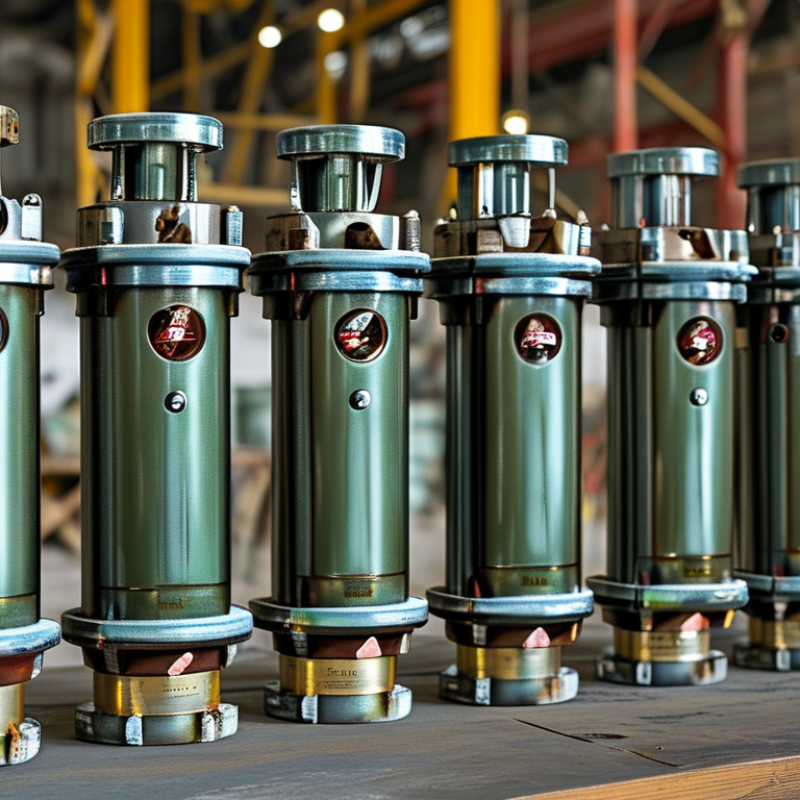
Metal oxide lightning arresters play a crucial role in protecting electrical systems from transient overvoltages. They utilize semiconductor materials to absorb and dissipate excess energy during a lightning strike. This functionality helps to safeguard infrastructure, but understanding how they work is essential for proper installation and maintenance.
Choosing the right arrester often involves evaluating its voltage rating and energy absorption capacity. Consider the specific environment where the arrester will be installed. For instance, areas prone to frequent thunderstorms may require higher capacity devices. It’s also vital to ensure that the surge protection level meets the needs of your electrical system, preventing damage to sensitive equipment.
When selecting a metal oxide lightning arrester, pay attention to the manufacturer's specifications. Look for a device with proven reliability in real-world conditions. Reading user reviews can provide insight into its performance. Regular maintenance checks are necessary to ensure the arrester is functioning correctly and has not degraded over time. Emphasizing these details can help prevent costly failures and improve overall system safety.
When selecting a metal oxide lightning arrester, understanding key factors is vital. The capacity of the arrester plays a crucial role in its performance. According to a recent industry report, a well-chosen arrester can reduce the risk of equipment damage by up to 80%. Thus, accurate voltage ratings are necessary. Choosing an arrester with a higher voltage level than your system can lead to failures.
Another factor to consider is the environmental conditions. Lightning arresters must be able to withstand temperature fluctuations and moisture levels. A study indicated that a significant percentage of failures occur due to incorrect installation in hostile environments. Additionally, the arrester's design should address local weather patterns. In some regions, harsher conditions demand more robust models.
Lastly, installation and maintenance can't be overlooked. Industry statistics show that improper installation is responsible for nearly 40% of arrester failures. Regular inspections should be part of standard protocol. If maintenance is neglected, even high-quality arresters can underperform. Evaluating these factors will enhance your chances of selecting an effective lightning protection solution.
When selecting a metal oxide lightning arrester, understanding the voltage rating is crucial. Voltage ratings define how much electrical potential the arrester can handle. Many industry reports recommend a voltage rating at least 20% higher than the system voltage. For example, if your system operates at 230 kV, a lightning arrester with a voltage rating of at least 276 kV would be appropriate. This ensures it can effectively prevent damage during a surge.
Energy absorption capacity is equally important. This metric indicates how much energy the arrester can dissipate during a lightning strike. Reports suggest that arrester models with higher energy absorption capacities offer better protection. Devices that can handle over 200 kJ are often preferred in high-risk areas. It’s essential to consider factors such as installation location and surrounding structures. These elements can influence energy waves during lightning strikes, affecting overall performance.
Professionals often overlook these aspects, focusing primarily on initial costs. However, investing in a high-rated arrester can save significant expenses in damage repairs over time. A mismatch in voltage or inadequate energy absorption can lead to catastrophic failures. The selection process requires careful evaluation and a thorough understanding of potential risks.
When selecting a metal oxide lightning arrester, material quality and construction standards are critical. According to a recent industry report, over 70% of failures in arrester performance are related to inferior materials. Manufacturers must use high-grade metal oxides to withstand high-voltage surges. The quality of these materials ensures longevity and reliability in diverse weather conditions.
Construction standards also play a vital role. Tests demonstrate that arresters adhering to stringent industry guidelines can handle increased stress. Studies indicate that products built to the IEC 60099-4 standard show better durability and resistance to environmental factors. It’s essential to consider how these products are built, including the integrity of seals and weatherproof designs. Weak construction can lead to premature failure, exposing equipment to lightning strikes.
In addition, the sourcing of materials should not be overlooked. Regionally sourced components may not always meet global best practices. It's crucial to investigate whether the materials have undergone rigorous testing. Only through diligent evaluation can one ensure the chosen arrester will function as intended. A lack of attention in this area can result in costly repairs and equipment downtime.
When it comes to installing a metal oxide lightning arrester, proper practices are essential. Start by assessing the location of installation. Ensure the device is placed where it can effectively intercept lightning strikes. Mount it on a stable structure that can withstand environmental challenges. This may include harsh winds, rain, and extreme temperatures.
Regular maintenance is key for optimal performance. Check the arrester periodically for signs of wear and corrosion. Over time, environmental factors can degrade its protective qualities. Inspecting connections and grounding systems ensures the device operates effectively. Doing so helps avoid costly repairs and enhances safety.
Keep in mind that installation is not a one-time effort. It's an ongoing process that requires attention. Failure to maintain could lead to serious risks. Seeking professional advice can be beneficial if you're unsure. Prioritizing these guidelines enhances reliability and protects your property against lightning.
„Thanks to the LUVIR technology, the solder resist process could be switched directly from the previously used mask exposure to direct exposure. As an outstanding digital solution on the market, this technology has been able to demonstrate fast process times and superior quality on our certified conventional ink in production. This allowed us to fully digitize the solder mask process at low cost – without process or ink adjustments. An excellent benefit to our production in Rot am See.“
Ralf Göhringer (Head of Production WE Rot am See)
I would definitely recommend the Limata machine and team for a future company purchase
Michael Greenaway
Compunetics Inc.
“The Limata ldi has been amazing!! Best thing we did was buy this machine”
Richard Brady
GM
Circuitlabs
“Since 2019, we have been running the Limata X1000 LDI system (including LUVIR for solder mask imaging) in daily production as an addition to our current process with film. The machine was capable of properly exposing Taiyo PSR-4000 BN (DI) solder mask types on normal to high-copper boards using a new and unique direct imaging process. The machine operating interface is very user friendly which allowed for a quick technical training curve. The pre-registration processing reduced several seconds of production time at every print. Limata support and service staff is incomparable. They supported our team every step of the way at basically any time of the day or night, with literally, an immediate response time, customizing the software interface to best fit our Operations and needs.
We have exposed more than 8,000 prints since end of October, on various solder mask colors and some resist film panels. Limata, has proven to be very capable and innovative. They are a strong contender in the industry.
We have very much enjoyed this project, and working with the team!
Thank you Limata for the continued support and being a part of our growth.”
Bill Sezate
Vice President, GM
Summit Interconnect
As a replacement to our current contact exposure process with film, the LIMATA X2000 system including LUVIR-Technology was capable of properly exposing non-LDI solder mask types using a direct imaging process. The machine offers cutting edge software with a very intuitive operating interface which allowed for quick technician training curve. The dual drawer system combined with pre-registration processing reduced several seconds of production time at every machine cycle. Limata support and service staff is world class. They added software patches to keep production running at shortest possible response times, customized the software interface to best fit our in-house Operations system, and even wrote a step-by-step machine processing manual. As a result of the project, we have exposed more than 16,000 times on various product types and solder mask brands/colors. Limata, in a very short timeframe as a company, has definitely shown they are truly innovative and will be challenging the industry of direct imaging for the top spot.
Kevin Beattie
Process Engineer
TTM Technologies
Forest Grove Division
