Choosing a Shrink Fit Tool Holder is crucial for precision machining. This tool holder design offers significant advantages in stability and accuracy. Its ability to maintain tight tolerances leads to superior performance during machining operations.
Selecting the right Shrink Fit Tool Holder can be daunting. With so many options available, it's easy to get overwhelmed. Familiarity with different materials, sizes, and clamping methods is vital for making informed decisions. Consider the machine’s requirements and the specific tasks at hand.
The right holder not only enhances tool performance but also extends tool life. A poorly selected holder can lead to tool slippage and inconsistent results. Reflecting on common mistakes, such as overlooking compatibility or ignoring user feedback, can significantly improve your choice. Choose wisely to optimize your machining efficiency.
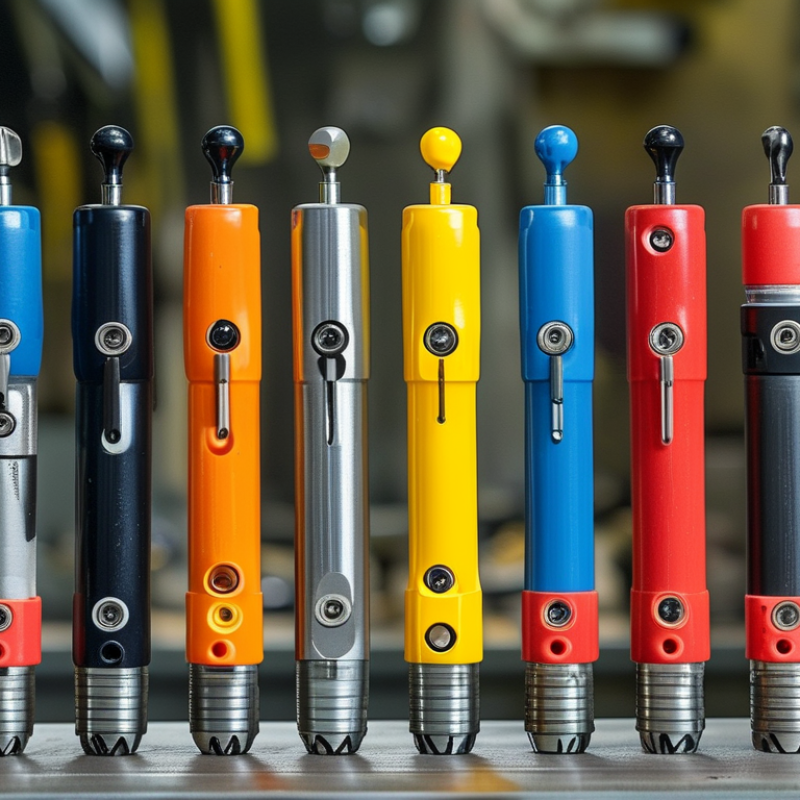
Shrink fit tool holders are essential in precision machining. They utilize thermal expansion principles to secure tools tightly. This method results in excellent rigidity and stability during machining processes. Appropriate application leads to enhanced tool life and improved surface finishes.
Understanding shrink fit tool holders begins with acknowledging their installation process. The tools are heated to expand, allowing easy insertion into the holder. As they cool, the tool contracts to form a snug fit. This technology is particularly beneficial in high-speed machining environments. It helps reduce vibration and chatter, which are detrimental to precision work.
Applications vary widely, including manufacturing aerospace components and automotive parts. However, improper selection of shrink fit tools can lead to issues. Users must consider factors such as material compatibility and tool diameter. Regular inspection of holders for wear and damage is crucial. Awareness of these nuances can lead to more effective machining while avoiding potential pitfalls.
When selecting a shrink fit tool holder, several key factors demand attention. The material of the holder plays a critical role. High-quality metals offer better thermal conductivity, ensuring efficient heat transfer during the shrink fitting process. This results in a tighter fit, enhancing stability during machining. Please assess the tool holder's compatibility with your machine. Not all holders fit every spindle; proper alignment prevents unwanted vibrations.
Consider the size and weight of the tool holder too. A heavier holder might resist movement better, but can also lead to fatigue in certain setups. Check for the holder's runout specifications. Precise runout is essential for quality machining. If the holder cannot achieve tight tolerances, you may face issues with part accuracy.
Don’t overlook the cooling method for the holder. Effective cooling systems can significantly impact tool performance. Evaluate ease of use in practical settings. Installation processes should not be overly complex. Pay attention to user feedback; reviews can reveal potential problems not obvious at first glance. Balancing these considerations will improve your tool holder selection experience.
When selecting a shrink fit tool holder, material choice is crucial for performance. Steel is commonly used, known for its strength. However, not all steel is the same. The grade and heat treatment can significantly affect durability and precision. Choosing high-carbon steel can improve hardness but may pose risks like brittleness. Considering a balance between strength and flexibility is vital.
Another option is aluminum. It is lightweight, which can enhance tool movement and reduce fatigue. However, aluminum has a lower thermal conductivity, which might hinder heat dissipation during machining. This can impact tool life. Moreover, not all aluminum alloys are suitable for shrink fit applications. It's essential to analyze the specific requirements of your project.
Lastly, the surface finish also matters. A smoother finish can reduce friction and enhance tool gripping capabilities. Rough surfaces might lead to uneven fit and increased vibration during operation. Do thorough research or consult experts about the best materials for your specific needs. Ultimately, careful selection affects not only performance but also the long-term reliability of your tooling solutions.
Choosing the right shrink fit tool holder starts with understanding compatibility. Not all tool holders will fit every machine. It’s crucial to know the specifications of both your tools and machines. For instance, check the taper angle and shank size. These details ensure a secure fit and optimize performance.
Material selection matters too. Different tools require different materials to function effectively. Steel tool holders may be ideal for some jobs but not for others. This choice impacts durability and precision. You might notice that using the incorrect holder could lead to tool wear or even breakage.
Take the time to assess your specific needs. Consider factors like speed, complexity, and precision required for your tasks. Sometimes, the perfect fit takes experimentation. Be prepared to adapt and change your approach. Learning from mistakes is part of the process. Each project provides valuable insights that help refine your selection for future jobs.
| Criteria | Considerations | Compatibility Examples |
|---|---|---|
| Machine Compatibility | Check if the holder fits the machine spindle size and type. | CNC Mills, Lathes |
| Material Quality | Select holders made from high-quality tool steel or alloys. | Hardened Steel, Aluminum Alloys |
| Heat Treatment | Ensure the holder is heat-treated for durability. | Cryogenic Processed, Tempered |
| Taper Design | Choose between different taper specifications (e.g., HSK, CAT). | HSK63, CAT40 |
| Shrink Fit Tolerance | Review the tolerance for shrink fit to ensure precision. | H7 tolerance, K7 tolerance |
| Weight and Size | Consider the size and weight balance for your operations. | Compact Holders, Heavy Duty Holders |
| Budget | Determine your budget without compromising quality. | Economical Options, Premium Choices |
Proper maintenance of shrink fit tool holders is crucial for their longevity and performance. According to an industry report, regular care can extend the lifespan of these holders by up to 50%. One practical tip is to clean the holders after each use. Dust and debris can cause wear and compromise their effectiveness. A simple inspection helps identify potential issues before they escalate.
Managing the temperature is vital. If overheating occurs, it can lead to tool deformation. Using thermal management systems can optimize performance, preventing costly mistakes. Re-calibrating the holder after a significant tool change is equally important. Neglecting this step may lead to misalignment and reduced accuracy during machining operations.
Lubrication plays a key role in tool holder care. Using the right lubricant reduces friction and improves tool life. However, over-lubrication can attract unwanted debris. Finding the right balance can be challenging but necessary. Regular audits and training staff on proper handling will improve overall performance. This adds value to the investment made in shrink fit tool technology.
„Thanks to the LUVIR technology, the solder resist process could be switched directly from the previously used mask exposure to direct exposure. As an outstanding digital solution on the market, this technology has been able to demonstrate fast process times and superior quality on our certified conventional ink in production. This allowed us to fully digitize the solder mask process at low cost – without process or ink adjustments. An excellent benefit to our production in Rot am See.“
Ralf Göhringer (Head of Production WE Rot am See)
I would definitely recommend the Limata machine and team for a future company purchase
Michael Greenaway
Compunetics Inc.
“The Limata ldi has been amazing!! Best thing we did was buy this machine”
Richard Brady
GM
Circuitlabs
“Since 2019, we have been running the Limata X1000 LDI system (including LUVIR for solder mask imaging) in daily production as an addition to our current process with film. The machine was capable of properly exposing Taiyo PSR-4000 BN (DI) solder mask types on normal to high-copper boards using a new and unique direct imaging process. The machine operating interface is very user friendly which allowed for a quick technical training curve. The pre-registration processing reduced several seconds of production time at every print. Limata support and service staff is incomparable. They supported our team every step of the way at basically any time of the day or night, with literally, an immediate response time, customizing the software interface to best fit our Operations and needs.
We have exposed more than 8,000 prints since end of October, on various solder mask colors and some resist film panels. Limata, has proven to be very capable and innovative. They are a strong contender in the industry.
We have very much enjoyed this project, and working with the team!
Thank you Limata for the continued support and being a part of our growth.”
Bill Sezate
Vice President, GM
Summit Interconnect
As a replacement to our current contact exposure process with film, the LIMATA X2000 system including LUVIR-Technology was capable of properly exposing non-LDI solder mask types using a direct imaging process. The machine offers cutting edge software with a very intuitive operating interface which allowed for quick technician training curve. The dual drawer system combined with pre-registration processing reduced several seconds of production time at every machine cycle. Limata support and service staff is world class. They added software patches to keep production running at shortest possible response times, customized the software interface to best fit our in-house Operations system, and even wrote a step-by-step machine processing manual. As a result of the project, we have exposed more than 16,000 times on various product types and solder mask brands/colors. Limata, in a very short timeframe as a company, has definitely shown they are truly innovative and will be challenging the industry of direct imaging for the top spot.
Kevin Beattie
Process Engineer
TTM Technologies
Forest Grove Division
