
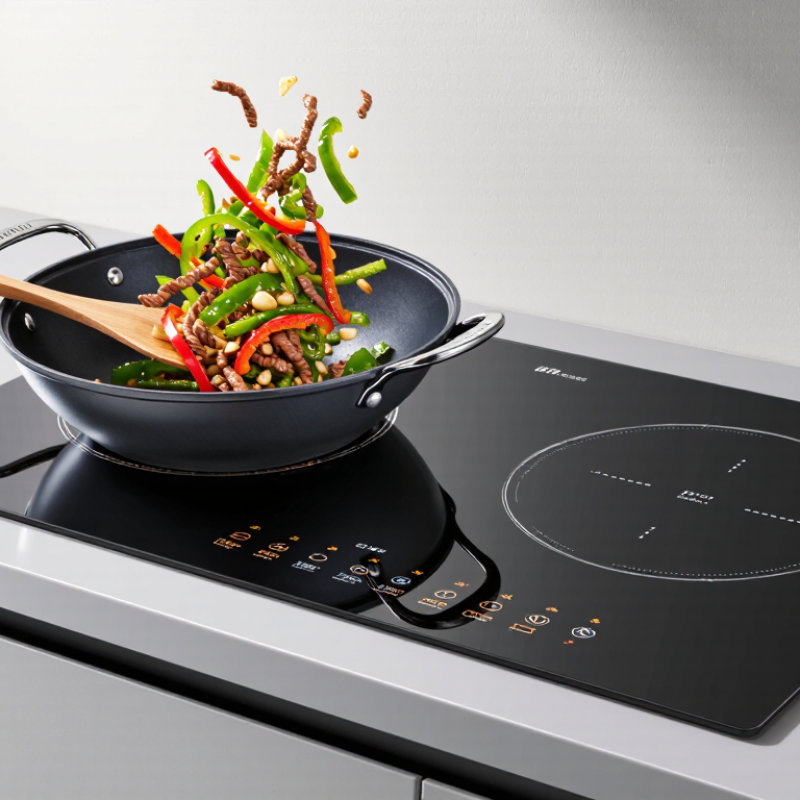
10 Tips for Choosing the Best Wok Induction Hob
Safety should guide the first inspection, not glossy temperature claims. Look for pan detection, overheat protection, residual-heat indicators, and a reliable child lock. Controls must respond quickly, even with damp fingers. NFPA’s Home Structure Fires report identifies cooking equipment as a leading source of residential fires, so automatic shutoff deserves serious attention. Check the lock. Woks can become dangerously hot within minutes.
Cleaning affects daily usability more than many buyers expect. A flat glass surface leaves fewer grease traps around the cooking zone. However, smooth panels can still show oil film clearly under bright kitchen lighting. Use controls that are easy to wipe around, rather than raised buttons with narrow gaps. I would test the timer and power adjustment before buying. Touch controls sometimes feel slow, especially when steam covers the panel.
Energy efficiency is another practical measure. The U.S. Department of Energy reports that induction transfers about 85% of its energy to cookware, compared with roughly 32% for gas cooking. The figures are useful, not perfect. Real results depend on pan size, cookware material, cooking duration, and household electricity sources. Choose a hob with flexible power levels and a boost function you can disable. Very high power is convenient, but it can waste energy and scorch thin sauces. A lower setting often gives better control.